Get your free personalized podcast brief
We scan new podcasts and send you the top 5 insights daily.
Nations like Canada and the UK are not strategically realigning with China. Instead, they are pursuing short-term economic gains (e.g., in agriculture) while their fundamental security and economic allegiances remain with the US. It's a calculated risk to extract benefits without severing key ties.

Related Insights
America's unpredictable, "law of the jungle" approach doesn't embolden adversaries like Russia or China, who already operate this way. Instead, it forces traditional allies (Canada, Europe, Japan) to hedge their bets, decouple their interests, and reduce reliance on an unreliable United States for upholding international law.

While publicly announcing a trade truce with China, the Trump administration simultaneously signed deals with other Asian nations to diversify supply chains and bolster defense partnerships, effectively preparing for future confrontation with Beijing.
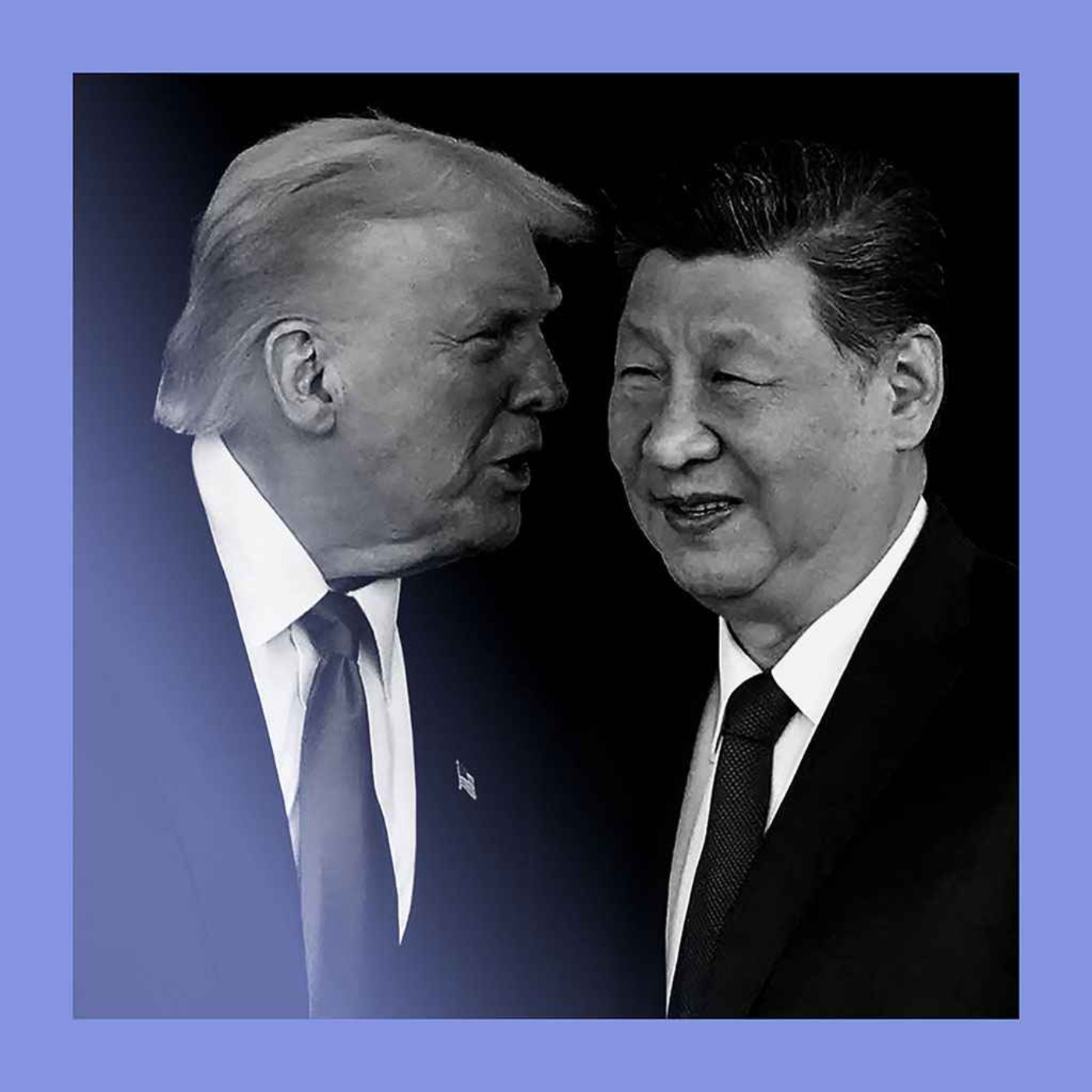
The shift to a less adversarial China policy may be a strategic maneuver to avoid supply chain disruptions. The U.S. appears to be biding its time—likely for 5+ years—to wean itself off dependence on Chinese rare earth minerals, which are critical for both industry and defense manufacturing.

The U.S. industrial strategy isn't pure "reshoring" but "friend-shoring." The goal is to build a global supply chain that excludes China, not to bring all production home. This creates massive investment opportunities in allied countries like Mexico, Vietnam, Korea, and Japan, which are beneficiaries of this geopolitical realignment.

Actions like the Greenland affair are alienating allies like Canada and the EU. This pushes them to pursue independent, softer trade policies with China to secure economic benefits, seeing it as diversification rather than a strategic pivot away from the US.
The recent trade truce is a transactional deal focused on marketable items like soybeans and TikTok. It conveniently sidesteps fundamental, long-term conflicts such as China's industrial policy, semiconductor competition, and military tensions, making the truce fragile and the broader relationship unstable.
The deep economic interdependence between the U.S. and China makes a full "decoupling" too costly for either side. Instead of a clean break or a lasting peace, the relationship will likely be defined by a continuous cycle of targeted disputes, negotiations, and temporary agreements.

While the U.S. employs aggressive, short-term tactics, China plays a long game. They use economic incentives and a 'friendly' image to win allies, which erodes America's global standing over time as nations seek a less volatile partner.

Beijing capitalizes on visits from leaders of key US allies like Canada. Through official media and academic commentary, China actively encourages these nations to adopt "strategic autonomy" from Washington, aiming to sow division and weaken the Western bloc's united front.
The latest U.S. National Security Strategy drops confrontational rhetoric about China as an ideological threat, instead framing the relationship around economic rivalry and rebalancing. This shift prioritizes tangible deals over promoting American values globally, marking a departure from Reagan-era foreign policy.