Get your free personalized podcast brief
We scan new podcasts and send you the top 5 insights daily.
Beijing capitalizes on visits from leaders of key US allies like Canada. Through official media and academic commentary, China actively encourages these nations to adopt "strategic autonomy" from Washington, aiming to sow division and weaken the Western bloc's united front.

Related Insights
While publicly announcing a trade truce with China, the Trump administration simultaneously signed deals with other Asian nations to diversify supply chains and bolster defense partnerships, effectively preparing for future confrontation with Beijing.
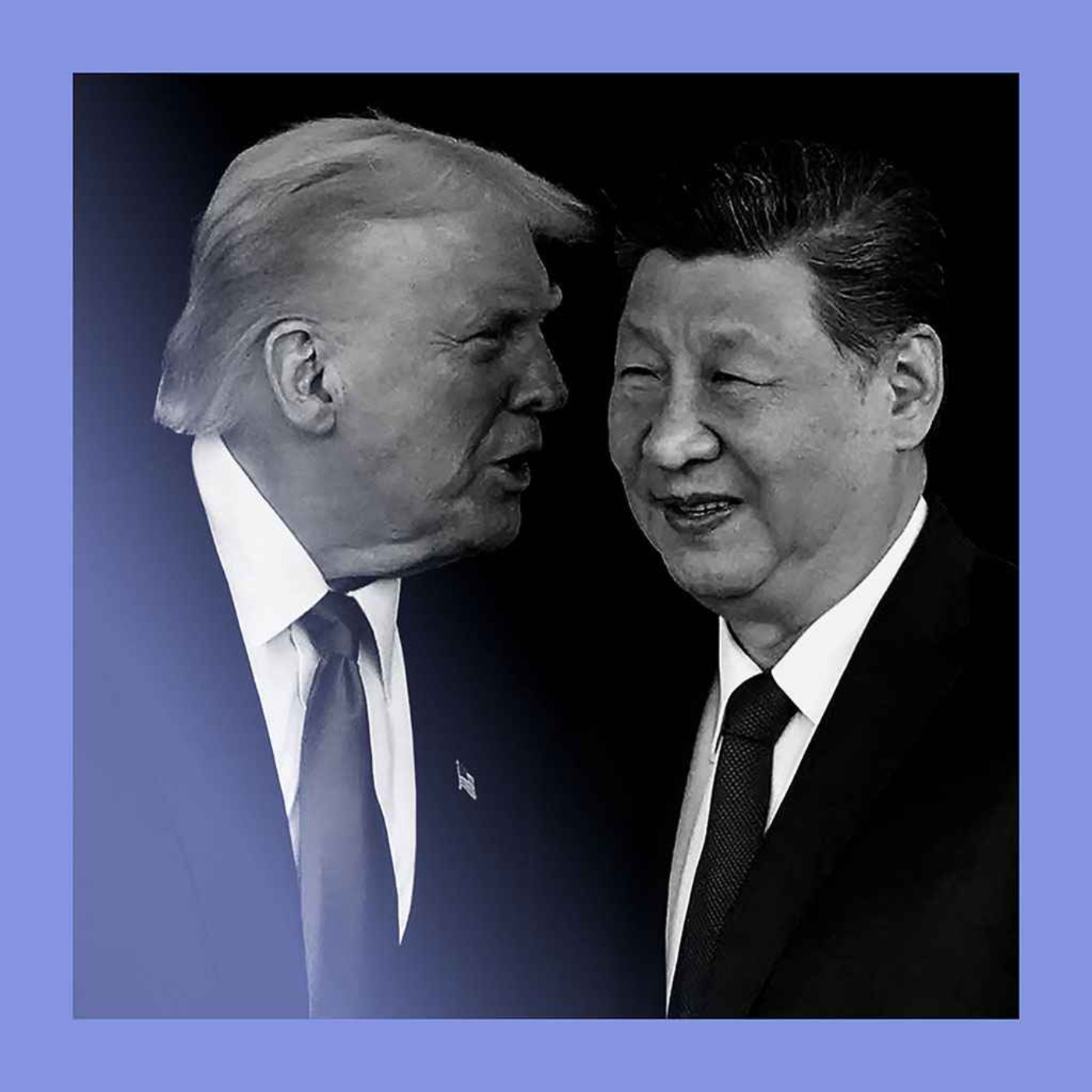
Actions like the Greenland affair are alienating allies like Canada and the EU. This pushes them to pursue independent, softer trade policies with China to secure economic benefits, seeing it as diversification rather than a strategic pivot away from the US.
While the U.S. employs aggressive, short-term tactics, China plays a long game. They use economic incentives and a 'friendly' image to win allies, which erodes America's global standing over time as nations seek a less volatile partner.

China embraces economic globalization, crediting it for lifting 800 million from poverty. However, it explicitly rejects the "militarized globalization" represented by security pacts like AUKUS or NATO expansion. This differentiates its approach from the Western model, which often intertwines economic integration with shared security and political values.

While the US diminishes its global standing through internal political chaos and attacks on institutions like science and universities, China is capitalizing on the void. The rise of globally recognized Chinese consumer brands like TikTok and BYD helps position China as a more stable and reliable international partner.

The Trump administration demands allies take more responsibility for regional security. Yet when Japan's leader did so regarding Taiwan and faced Chinese pressure, the U.S. prioritized its direct relationship with Beijing, effectively hanging a key ally "out to dry" and contradicting its own strategic doctrine.
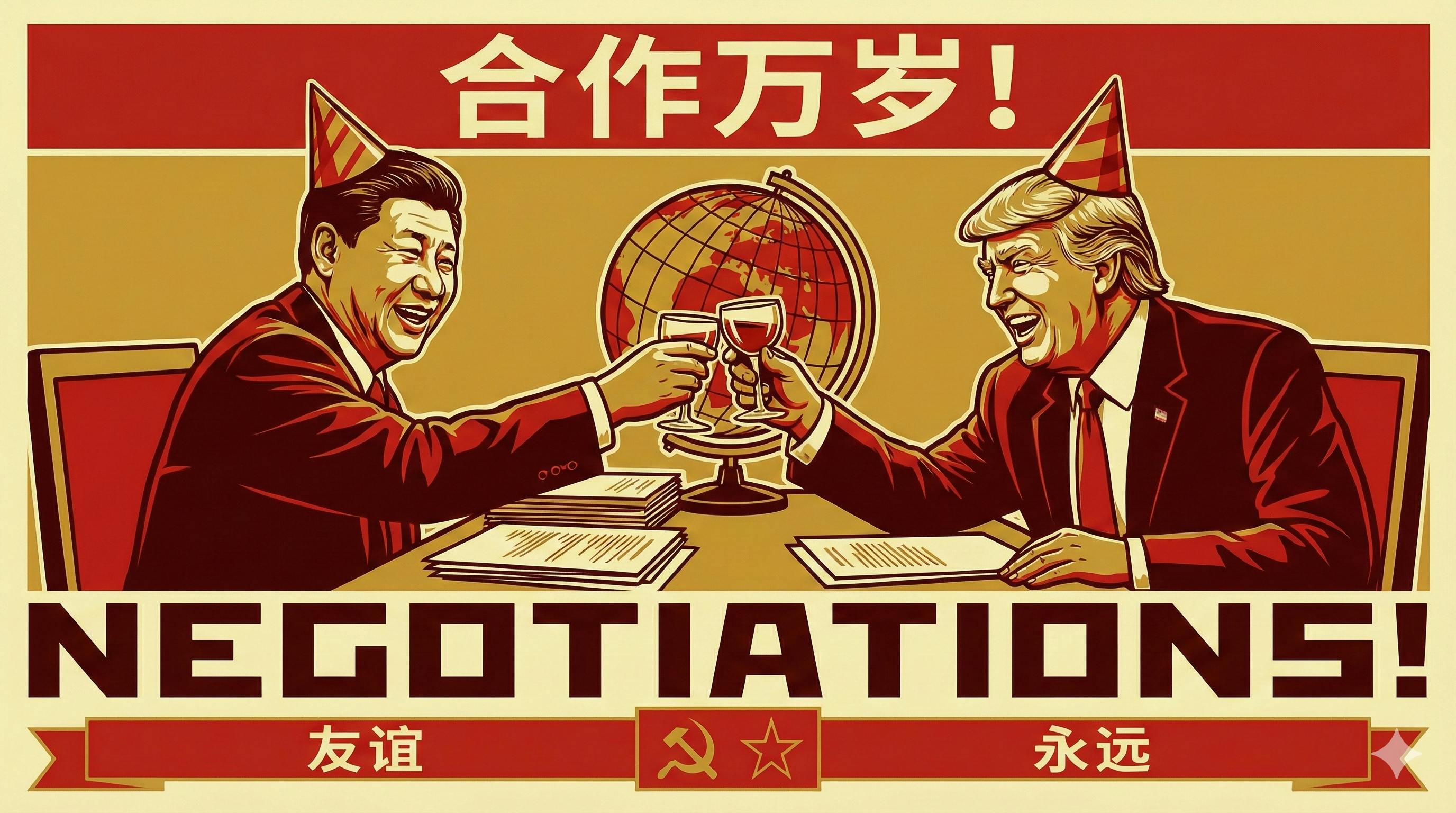
China is engaged in a strategic propaganda campaign, exaggerating its technological self-sufficiency in areas like AI chips. The goal is to convince U.S. policymakers that export controls are futile. This narrative aims to pressure the U.S. into relaxing restrictions, which would then allow China to acquire the very technology it claims not to need.

The administration's aggressive, unilateral actions are pushing European nations toward strategic autonomy rather than cooperation. This alienates key partners and fundamentally undermines the 'Allied Scale' strategy of building a collective economic bloc to counter adversaries like China.

Nations like Canada and the UK are not strategically realigning with China. Instead, they are pursuing short-term economic gains (e.g., in agriculture) while their fundamental security and economic allegiances remain with the US. It's a calculated risk to extract benefits without severing key ties.
President Xi Jinping used a phone call with President Trump not just for bilateral issues, but to strategically signal displeasure with Japan's hawkish stance on Taiwan. This "shadow play" diplomacy shows China leveraging its relationship with the U.S. to indirectly manage and warn other nations, making the U.S. a channel for its geopolitical messaging.
