Get your free personalized podcast brief
We scan new podcasts and send you the top 5 insights daily.
Beijing interprets America's focus on regions like Latin America or the Middle East with a 'shoulder shrug.' They see these distractions as beneficial, giving them more freedom to aggressively pursue their own interests and push allies in the Indo-Pacific without US interference.

Related Insights
China's tough stance toward US allies is not a diplomatic blunder but a deliberate strategy. By applying pressure, Beijing aims to demonstrate that complaining to a distracted Washington is futile, thereby forcing allies to eventually accommodate Chinese interests.
By dismantling the post-WWII global order, the Trump administration forces allies to realign with China. As the U.S. retreats from global partnerships, China is positioned to dominate key industries like renewable energy, making the 21st century "the China century" by default as the world moves on without America.

While publicly announcing a trade truce with China, the Trump administration simultaneously signed deals with other Asian nations to diversify supply chains and bolster defense partnerships, effectively preparing for future confrontation with Beijing.
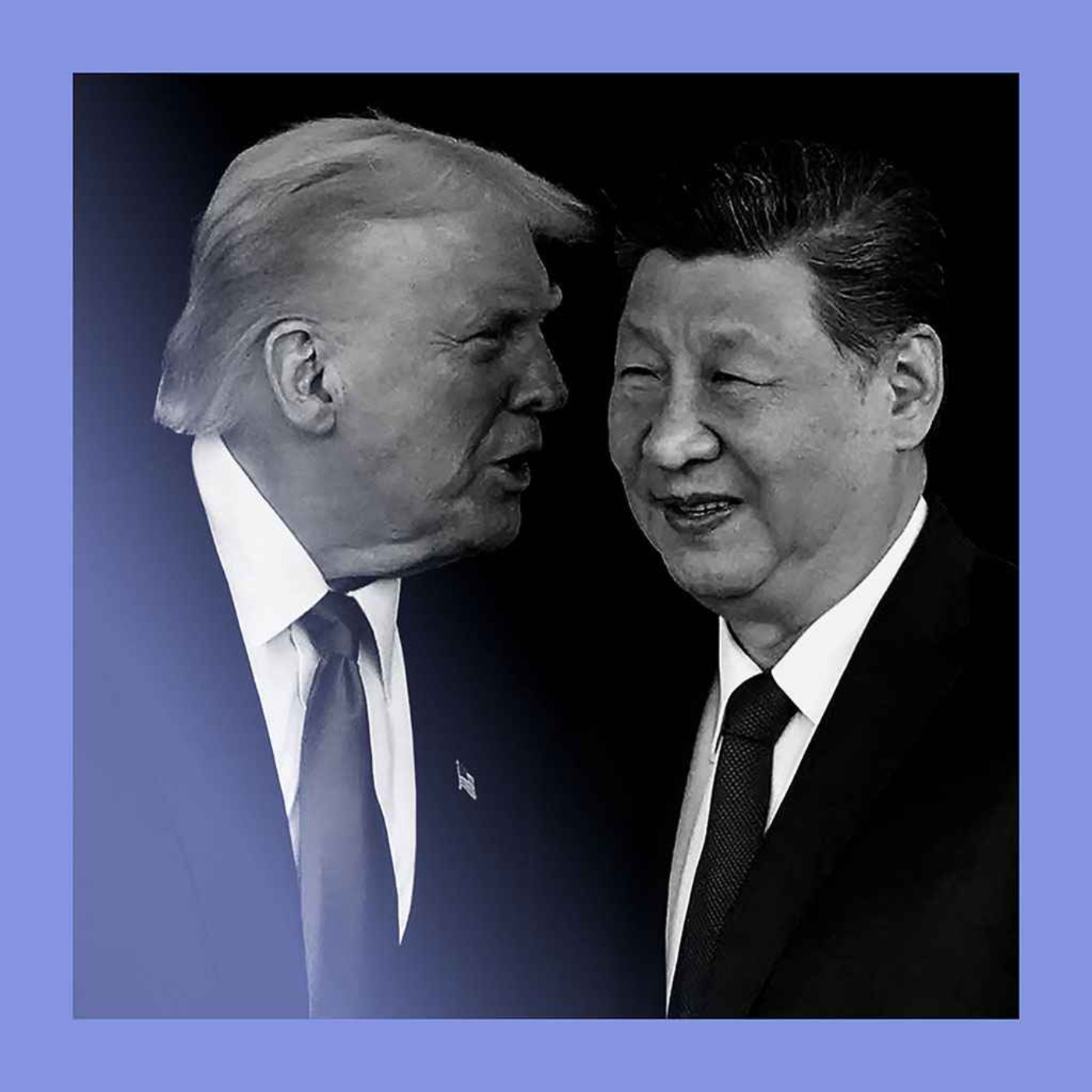
While the U.S. employs aggressive, short-term tactics, China plays a long game. They use economic incentives and a 'friendly' image to win allies, which erodes America's global standing over time as nations seek a less volatile partner.

While the West debates 'Peak China,' Beijing operates under its own 'Peak America' theory. It interprets aggressive US actions not as signs of strength, but as the desperate flailing of a declining power that recognizes time is no longer on its side.
Beijing capitalizes on visits from leaders of key US allies like Canada. Through official media and academic commentary, China actively encourages these nations to adopt "strategic autonomy" from Washington, aiming to sow division and weaken the Western bloc's united front.

President Xi Jinping used a phone call with President Trump not just for bilateral issues, but to strategically signal displeasure with Japan's hawkish stance on Taiwan. This "shadow play" diplomacy shows China leveraging its relationship with the U.S. to indirectly manage and warn other nations, making the U.S. a channel for its geopolitical messaging.

The Trump administration's renewed focus on Latin America, as detailed in its national security strategy, could inadvertently signal a reduced US geopolitical focus on China's sphere of influence. Beijing may interpret this as an opportunity to play the long game on Taiwan, avoiding immediate retaliation over Venezuela.

By prioritizing resource acquisition in its own sphere of influence (Venezuela), the US has effectively signaled it cannot or will not defend Taiwan. This action, whether an explicit deal or not, acts as a 'handshake,' giving China the green light to pursue its own regional strategic objectives.

From 2001 onwards, while the U.S. was militarily and economically distracted by the War on Terror, China executed a long-term strategy. It focused on acquiring Western technology and building indigenous capabilities in AI, telecom, and robotics, effectively creating a rival global economic system.