Get your free personalized podcast brief
We scan new podcasts and send you the top 5 insights daily.
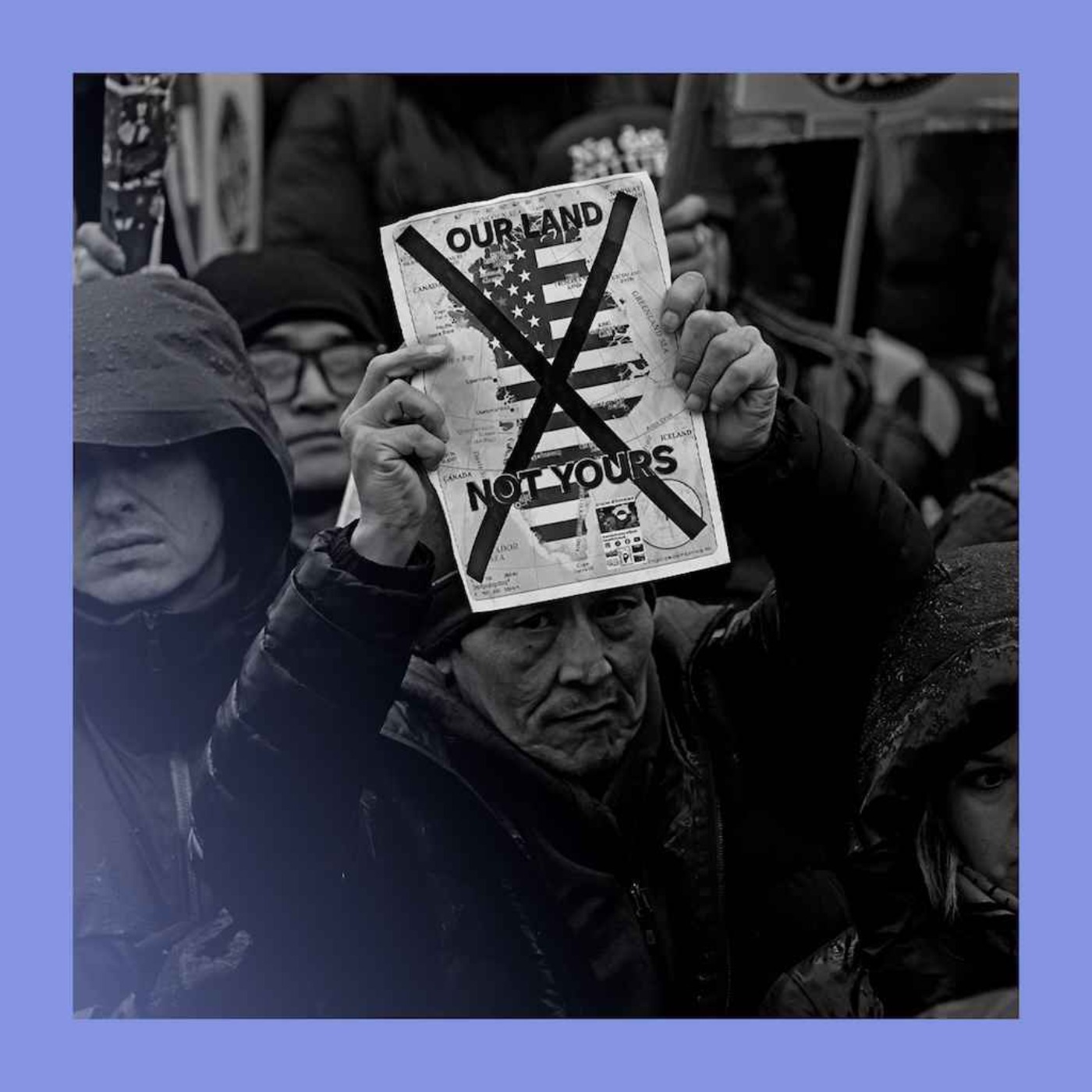
Russia's public support for Trump's Greenland move is a strategic play to encourage him. Moscow's goal is to provoke Trump into fracturing NATO, the very alliance created to contain Russian aggression, by having its leader attack an allied territory.

Related Insights
While not a direct investment opportunity, U.S. actions toward Greenland may signal a move away from traditional alliances. This increases global volatility, making international diversification and quality fixed income more crucial for investors' portfolios.

Russia portrays NATO's growth as an aggressive act of encirclement. This narrative, however, ignores that Eastern European nations eagerly joined NATO for protection, driven by Russia's long and brutal history of posing an existential threat to its neighbors. The expansion was defensive, not offensive.

The next escalation in the Russia-NATO conflict won't be conventional warfare but an expansion of the current "shadow war." This involves asymmetric tactics like cyberattacks, destroying undersea cables, using drones in allied airspace, and funding vandalism of critical infrastructure to divide and destabilize European allies from within.

Trump's rhetoric about acquiring Greenland "the easy way or the hard way" is not just bluster. It's part of a broader pattern of unilateral action that prioritizes American strategic interests above all else, even at the cost of alienating key allies and potentially fracturing foundational alliances like NATO.

The push to acquire Greenland is a cold, strategic calculation. It's about gaining a military foothold in the Arctic to monitor Russia and China, controlling new shipping lanes, and securing vast deposits of rare earth elements to challenge China's dominance in the global tech supply chain.
Even when Russian drones or jets enter NATO airspace by "accident," it is not a mistake but a deliberate policy. Choosing to operate pilots and missile systems with a high tolerance for error is a form of calculated recklessness. This tactic applies constant pressure on Europe and signals a high-risk appetite without firing a shot.
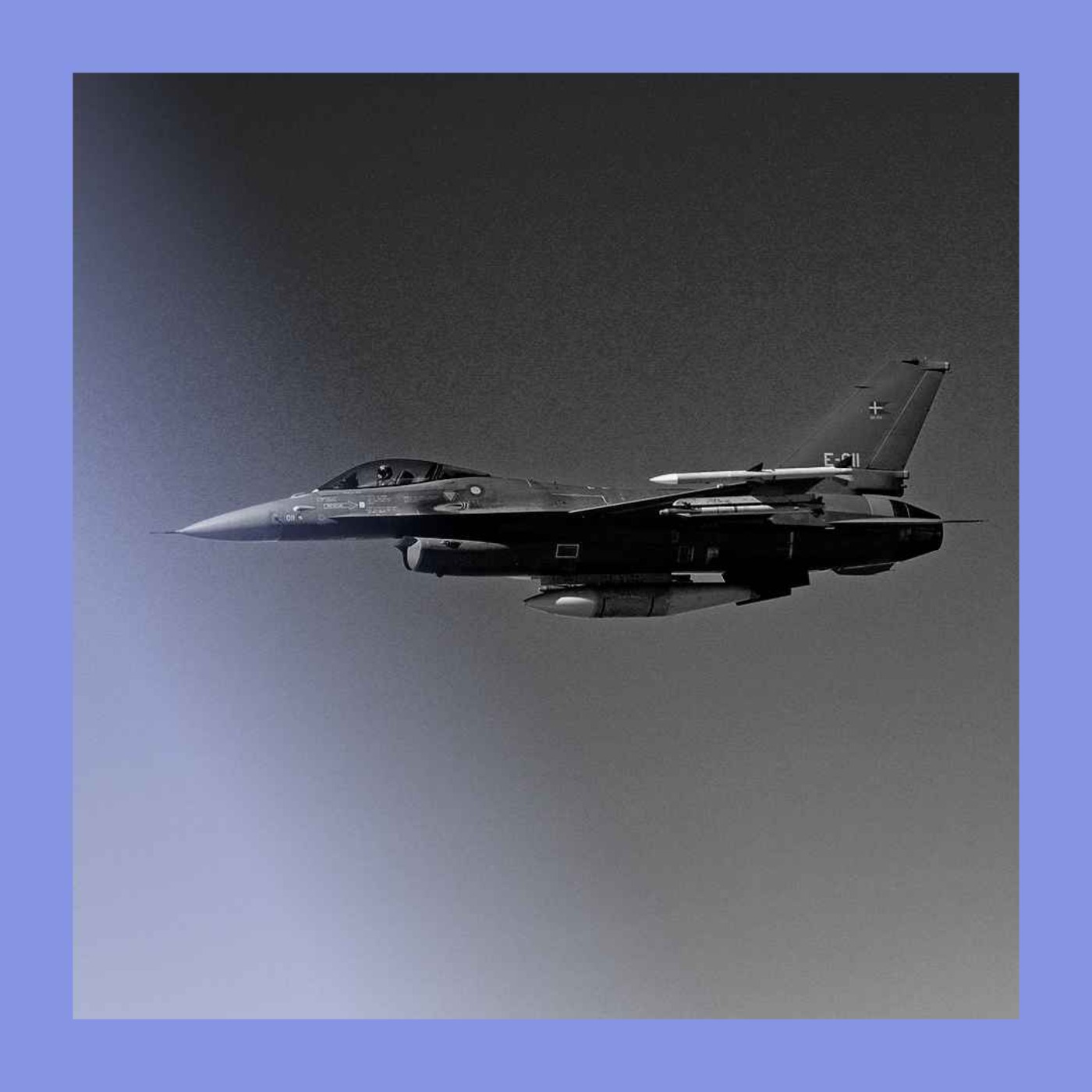
Russia's provocations are designed to create dilemmas for European nations, forcing them to question whether the US would support a kinetic response. This uncertainty weakens the transatlantic alliance and strengthens Russia's psychological position for future negotiations over Ukraine and European security.
The administration's plan to acquire Greenland is seen as an incredibly "stupid own goal." It alienates a steadfast ally, Denmark, for no strategic reason, as the U.S. could gain any desired access through simple negotiation. This highlights a foreign policy driven by personal impulses rather than rational strategy.
If a leader concludes that historic allies are acting against their nation's interests (e.g., prolonging a war), they may see those alliances as effectively void. This perception of betrayal becomes the internal justification for dramatic, unilateral actions like dismantling NATO or seizing strategic assets.
The backbone of NATO is not just US military might, but European trust in it. A dispute initiated by the US against allies is more existentially dangerous than past internal conflicts or external threats because it directly undermines the core assumption of mutual defense.