Get your free personalized podcast brief
We scan new podcasts and send you the top 5 insights daily.
NATO's integrity is bifurcated. Its formal components—the military structure, institutions, and treaty—remain intact. However, its core function as a deterrent has been severely damaged because the US President has made the Article 5 commitment conditional. This undermines the perceived 'will' to defend allies, which is what truly deters adversaries like Russia.

Related Insights
Even though a US law requires Senate approval for a formal NATO withdrawal, a president can effectively neutralize the alliance's operational capacity by unilaterally denying funds, withdrawing American troops, and removing the US commander, thus rendering it powerless without officially leaving.
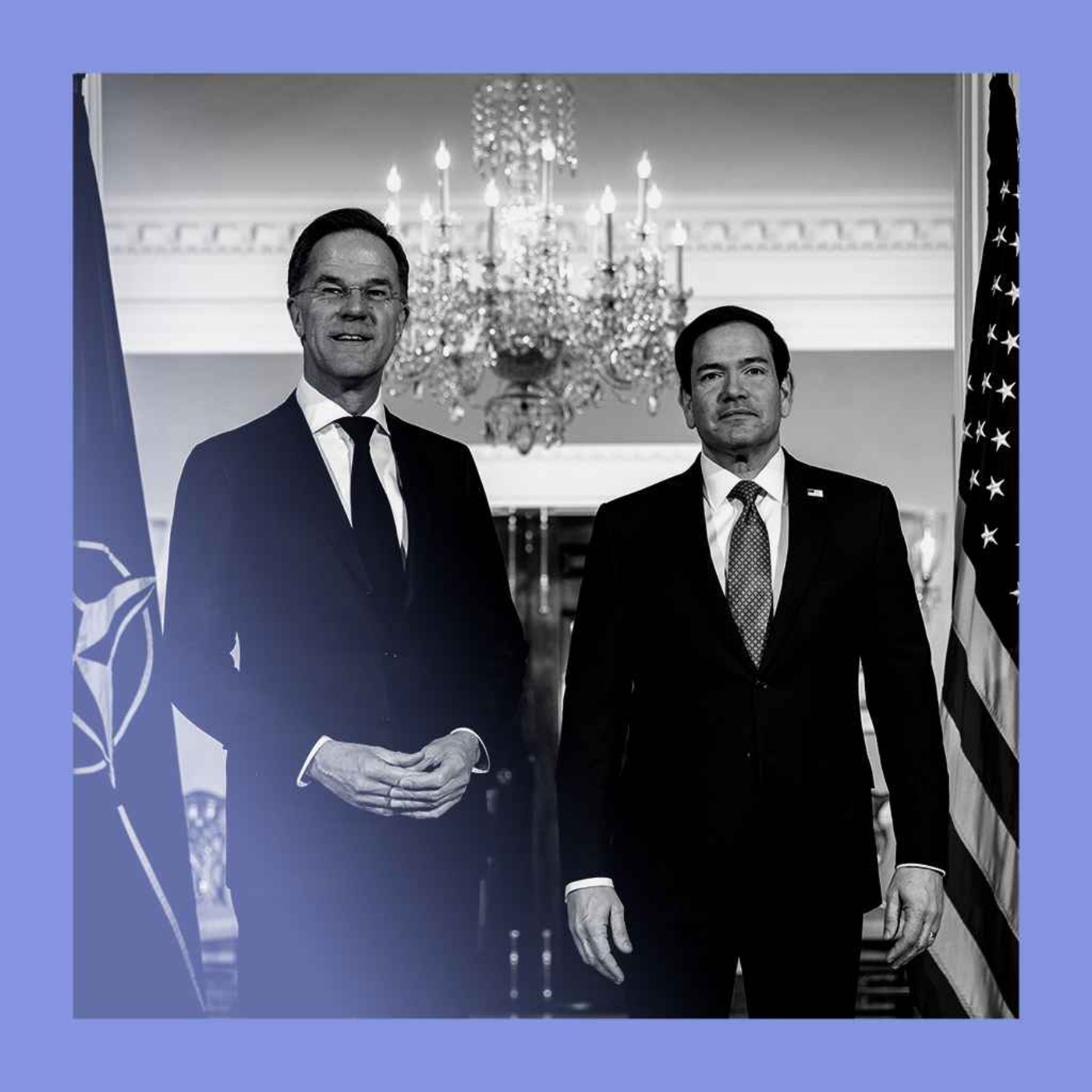
NATO's structure relies on allies following an American general's command under Article 5. After witnessing the "horrible, catastrophic failure" of US strategy in Iran, European nations will no longer entrust their militaries to US leadership, making the alliance functionally obsolete.

Russia's public support for Trump's Greenland move is a strategic play to encourage him. Moscow's goal is to provoke Trump into fracturing NATO, the very alliance created to contain Russian aggression, by having its leader attack an allied territory.

While Americans may become desensitized to a president's unconventional statements, allies like Australia do not see it as a joke. They interpret threats to treaty obligations as genuine disrespect and aggression, compelling them to develop independent defense strategies and fundamentally altering geopolitical relationships built over decades.

While Trump's tough stance successfully induces allies to increase defense spending, this gain in capability is offset by a catastrophic loss of trust. An alliance's strength is based on both capability and will. By making the U.S. commitment (like Article 5) conditional and unreliable, overall deterrence against adversaries like Russia is weakened, making war more likely.
Russia's provocations are designed to create dilemmas for European nations, forcing them to question whether the US would support a kinetic response. This uncertainty weakens the transatlantic alliance and strengthens Russia's psychological position for future negotiations over Ukraine and European security.
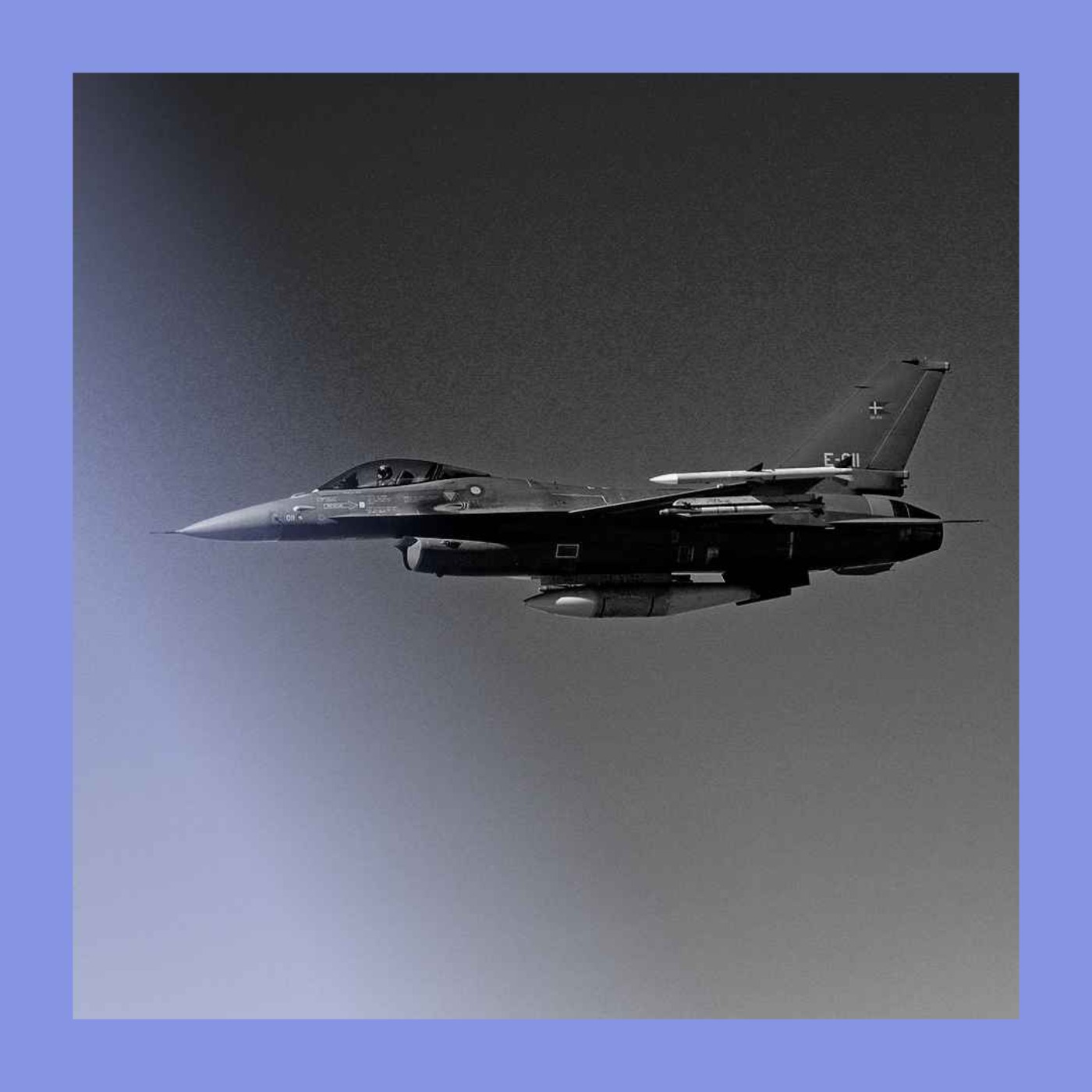
The backbone of NATO is not just US military might, but European trust in it. A dispute initiated by the US against allies is more existentially dangerous than past internal conflicts or external threats because it directly undermines the core assumption of mutual defense.

Even though President Trump backed down on tariffs over Greenland, the episode permanently eroded European trust in the U.S. as a reliable NATO partner. The erratic nature of the dispute raised serious questions about American dependability on more critical issues like Ukraine, suggesting long-term damage to the alliance.
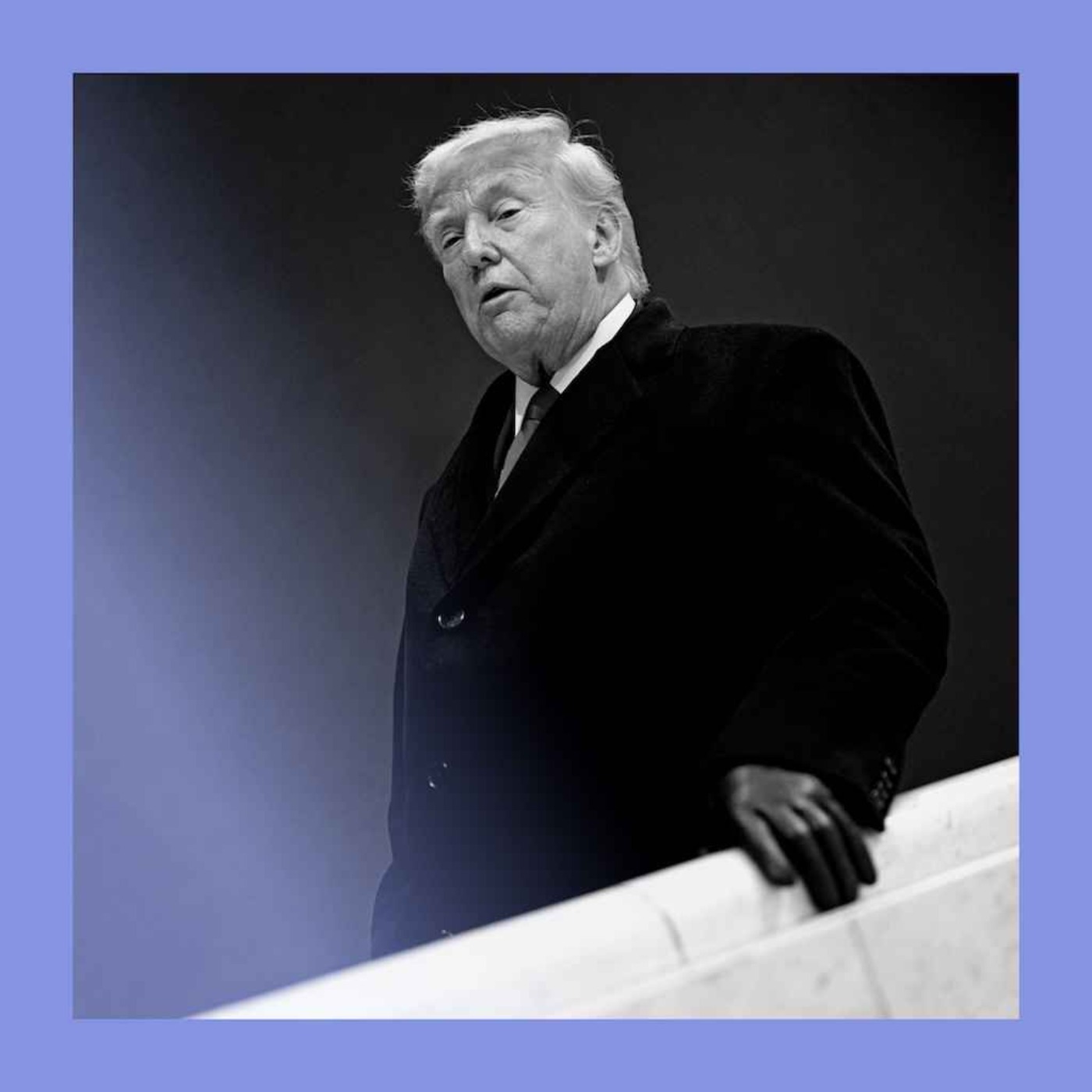
The real consequence of the diplomatic friction between the German Chancellor and the US President is not the physical withdrawal of troops, but the erosion of perceived dependability. An alliance lacking coherence and consistency loses its deterrent value, making military assets like troops and missiles less effective because the credibility behind them is weakened.

The core of U.S. global power relative to its adversaries is not its standalone might, but its network of alliances. The U.S. is stronger than China because of its East Asian allies and stronger than Russia because of NATO. Eroding the trust within these alliances is a self-inflicted strategic wound.