Get your free personalized podcast brief
We scan new podcasts and send you the top 5 insights daily.
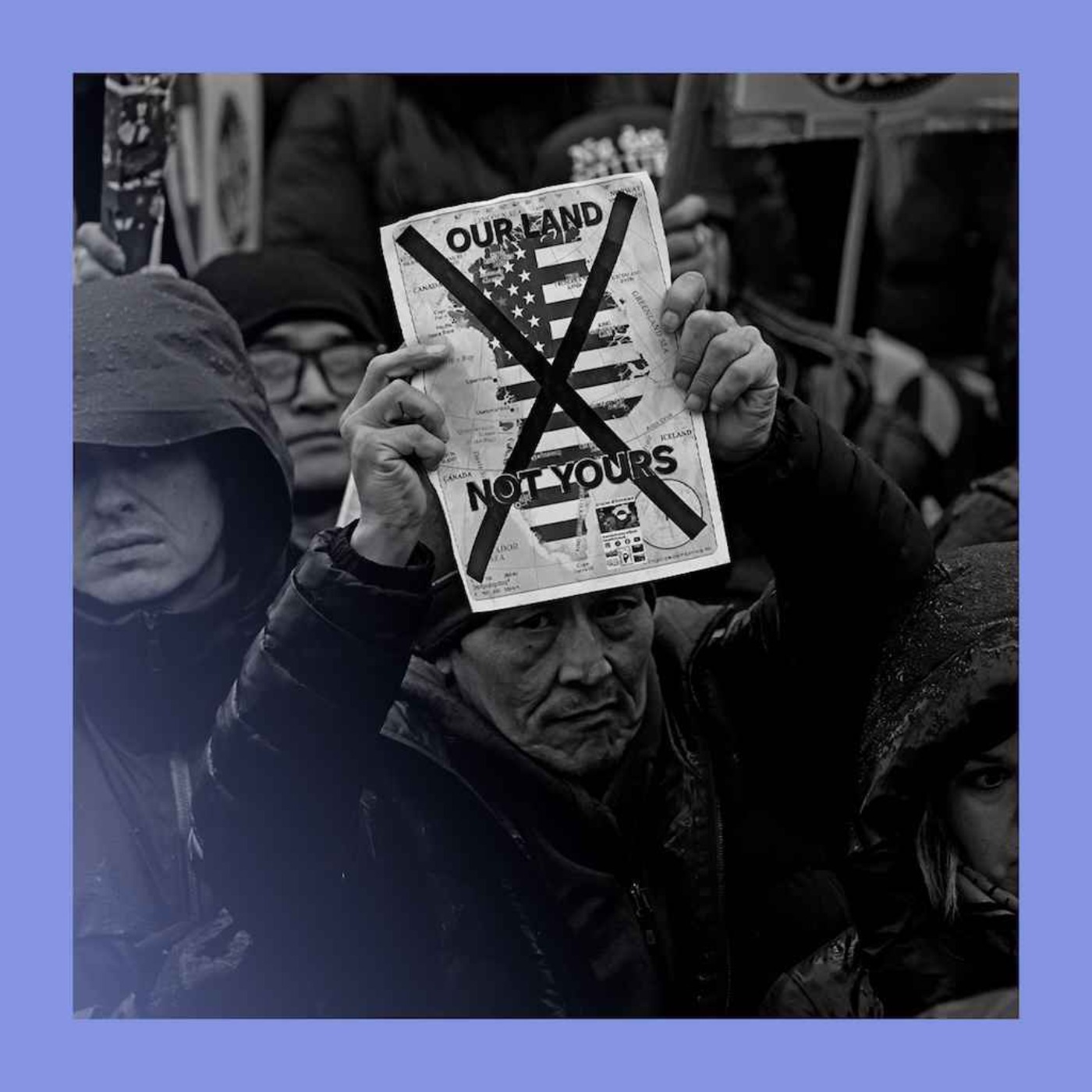
The core of U.S. global power relative to its adversaries is not its standalone might, but its network of alliances. The U.S. is stronger than China because of its East Asian allies and stronger than Russia because of NATO. Eroding the trust within these alliances is a self-inflicted strategic wound.

Related Insights
The United States' greatest strategic advantage over competitors like China is its vast ecosystem of over 50 wealthy, advanced, allied nations. China has only one treaty ally: North Korea. Weakening these alliances through punitive actions is a critical foreign policy error that erodes America's primary source of global strength.

America's unpredictable, "law of the jungle" approach doesn't embolden adversaries like Russia or China, who already operate this way. Instead, it forces traditional allies (Canada, Europe, Japan) to hedge their bets, decouple their interests, and reduce reliance on an unreliable United States for upholding international law.
The primary threat from alliances like Russia, China, and Iran lies not in sales of ships or planes, but in the creation of 'learning communities.' These nations share hard-won lessons from their respective conflicts, such as Russia teaching Iran how to build better drones based on its experience in Ukraine. This agile knowledge transfer poses a more significant challenge to Western military superiority.

By pursuing an erratic foreign policy, the U.S. is pushing away traditional allies like the U.K., who are now withholding intelligence. This erosion of trust doesn't just isolate America; it creates a power vacuum that adversaries can fill, potentially leaving China as the primary economic and political beneficiary in the region.

While the U.S. talks about pushing back against China, its military position in East Asia has declined relative to China's rapid buildup. Unlike during the Cold War, U.S. leaders haven't committed the necessary resources or explained the stakes to the American public.
Despite claims of being 'realist,' Trump's foreign policy is fundamentally anti-realist. By alienating allies, cutting R&D, and acting imprudently, it undermines the very sources of long-term American power—partnerships and technological superiority—that a true realist would seek to preserve.
Trump's confrontational stance with allies isn't just chaos; it's a calculated strategy based on the reality that they have nowhere else to go. The U.S. can troll and pressure nations like Canada and European countries, knowing they won't realistically align with China, ultimately forcing them to increase their own defense commitments.

The 'America First' foreign policy posture actively repelled other nations, causing them to seek more reliable partners. This disavowal of the traditional international order created a vacuum that Beijing filled, enhancing its soft power and global influence at the expense of the U.S.
When a global power like the U.S. acts unpredictably and alienates its allies, it creates a vacuum. Rivals like China can capitalize on this by positioning themselves as the stable, reliable alternative, attracting disillusioned partners without aggressive action.

The backbone of NATO is not just US military might, but European trust in it. A dispute initiated by the US against allies is more existentially dangerous than past internal conflicts or external threats because it directly undermines the core assumption of mutual defense.