Get your free personalized podcast brief
We scan new podcasts and send you the top 5 insights daily.
To gauge a partner manager candidate's empathy, ask for an example of a proud accomplishment. Candidates who frame success in terms of helping their partner achieve a goal, rather than just hitting their own targets, demonstrate the genuine care required for true partnership. This reveals their core motivations more effectively than direct questions.

Related Insights
CEOs provide a curated view of their company's culture. To get an accurate picture, talk to people who have left the organization on good terms for an unfiltered perspective. Also, ask behavioral questions like 'What would you tell a friend to do to be successful here?' to uncover the real cultural DNA.
![[REPLAY] Paul Black - Gratitude, Fun, and Growth Stocks (Capital Allocators, EP.51) thumbnail](https://static.libsyn.com/p/assets/f/b/7/6/fb76e1c8bfb69e8dd959afa2a1bf1c87/CA_Square_logo_light_background_6.26.24.jpg)
Transactional questions get transactional answers. A "story-worthy" question, like "Tell me about the moment you first sensed trouble with your supplier?", prompts a narrative. This approach extracts the emotion, context, and deeper story behind an issue, leading to more authentic connection and insight.
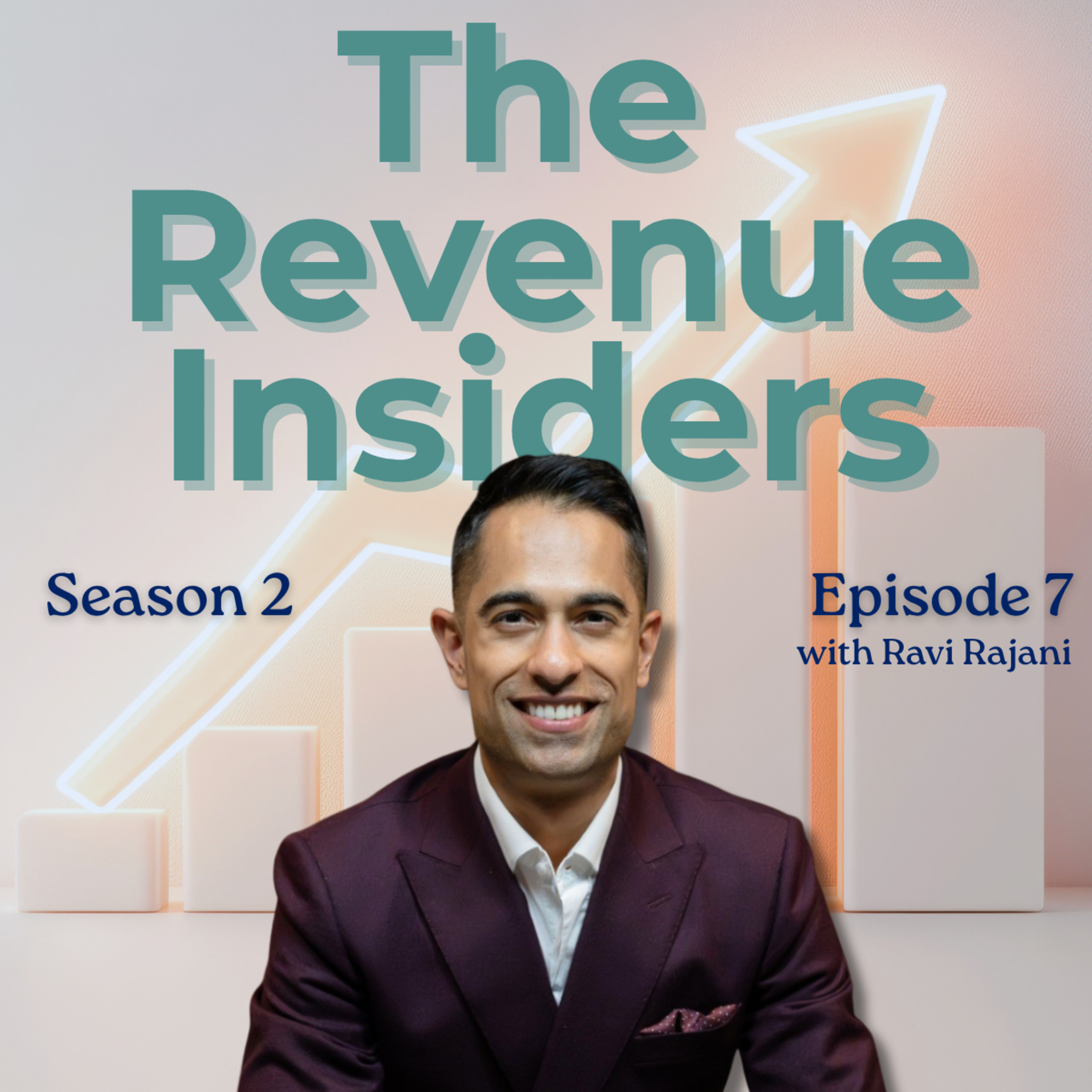
The difference between a true partner and an employee is whether you seek their counsel on complex problems. If you consistently go to them for advice when you're unsure, they're a partner. If you only give them direction, they are not a "thought partner," which is a red flag for a C-level executive role.

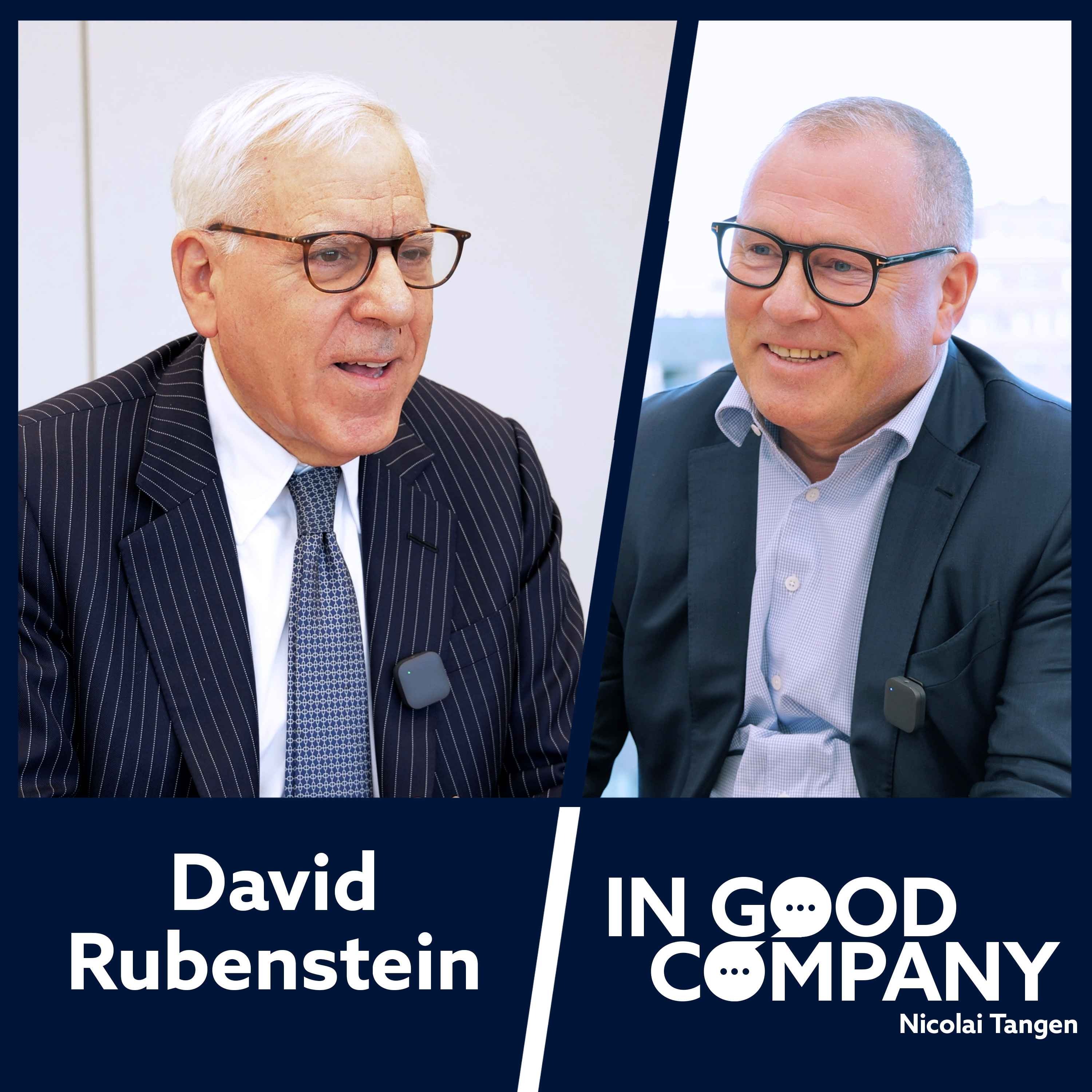
Citing Oprah Winfrey, Rubenstein argues the key to great interviewing is not having the best questions but being a great listener. True listening allows the interviewer to pivot and follow up on unexpected answers, turning a rigid Q&A into a genuine conversation that uncovers far deeper insights than a prepared script ever could.
Ditch standard FANG interview questions. Instead, ask candidates to describe a messy but valuable project they shipped. The best candidates will tell an authentic, automatic story with personal anecdotes. Their fluency and detail reveal true experience, whereas hesitation or generic answers expose a lack of depth.

A candidate can claim they want growth, but their resume tells the real story. Scrutinize *why* they moved between specific companies. A move for a bigger salary versus a move to work under a renowned leader reveals their actual priorities far more accurately than their interview answers.

Ineffective interviews try to catch candidates failing. A better approach models a collaborative rally: see how they handle challenging questions and if they can return the ball effectively. The goal is to simulate real-world problem-solving, not just grill them under pressure.

To elicit candid answers from fund managers, the most effective technique is not the question itself but the silence that follows. Resisting the psychological urge to fill the space forces the manager to sit with the question, often leading to less rehearsed and more truthful responses.
To find the true influencer, ask how a low-level problem affects high-level business goals (e.g., company growth). The person who can connect these dots, regardless of their title, holds the real power in the decision-making process. They are the one paid to connect daily actions to strategic objectives.

Beyond IQ and EQ, interview for 'Resilience Quotient' (RQ)—the ability to persevere through setbacks. A key tactic is to ask candidates about their proudest achievement, then follow up with, 'What would you do differently?' to see how they navigated strife and learned from it.
