Get your free personalized podcast brief
We scan new podcasts and send you the top 5 insights daily.
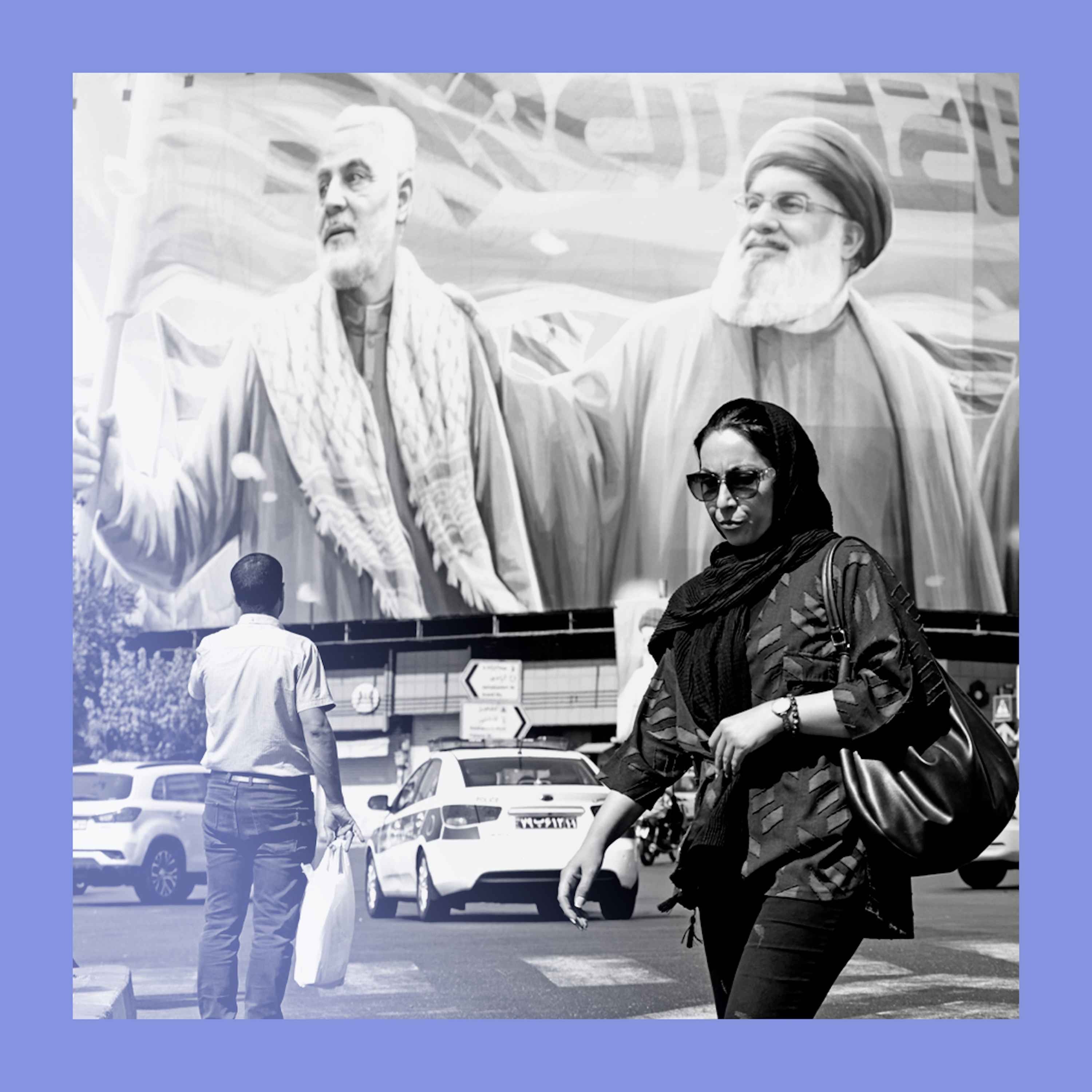
Confronting severe economic blockades and memories of sudden regional collapses like Syria, Iran relaxes cultural enforcement such as mandatory dress codes. These tactical relaxations provide everyday social breathing room to reduce domestic unrest while security forces continue neutralizing political organizers.

Related Insights
External military strikes against Iran revitalized state nationalist rhetoric that had previously lost domestic credibility. Rather than disintegrating under pressure, the Islamic Republic consolidated its core conservative base, sidelined foreign-backed dissident groups, and evolved from a theocracy into a militarized security apparatus.
Iran's new leadership is pursuing a technocratic agenda, focusing on economic management while cracking down politically. Simultaneously, they are relaxing social restrictions, such as hijab enforcement, in a bargain similar to that offered by MBS in Saudi Arabia to placate the population.
Despite widespread protests, Iran's repressive state apparatus is highly effective and has shown no signs of cracking. The probability of the regime collapsing from internal pressure alone is extremely low. Niall Ferguson argues that only external intervention, a form of 'regime alteration,' can realistically topple the Islamic Republic.

Iran's leadership projects regional strength, fostering national pride that makes compromise seem weak. However, this belligerence is a facade for a devastated domestic economy racked by sanctions, corruption, and war. This creates a fundamental tension: while they act tough, their long-term survival necessitates a diplomatic arrangement with the very enemies they confront.
With its credibility destroyed by bloodshed, the Iranian regime's only remaining leverage over some citizens is the fear of a chaotic power vacuum. The prospect of a full-blown civil war may convince some to tolerate the current oppression over the alternative of total state collapse.
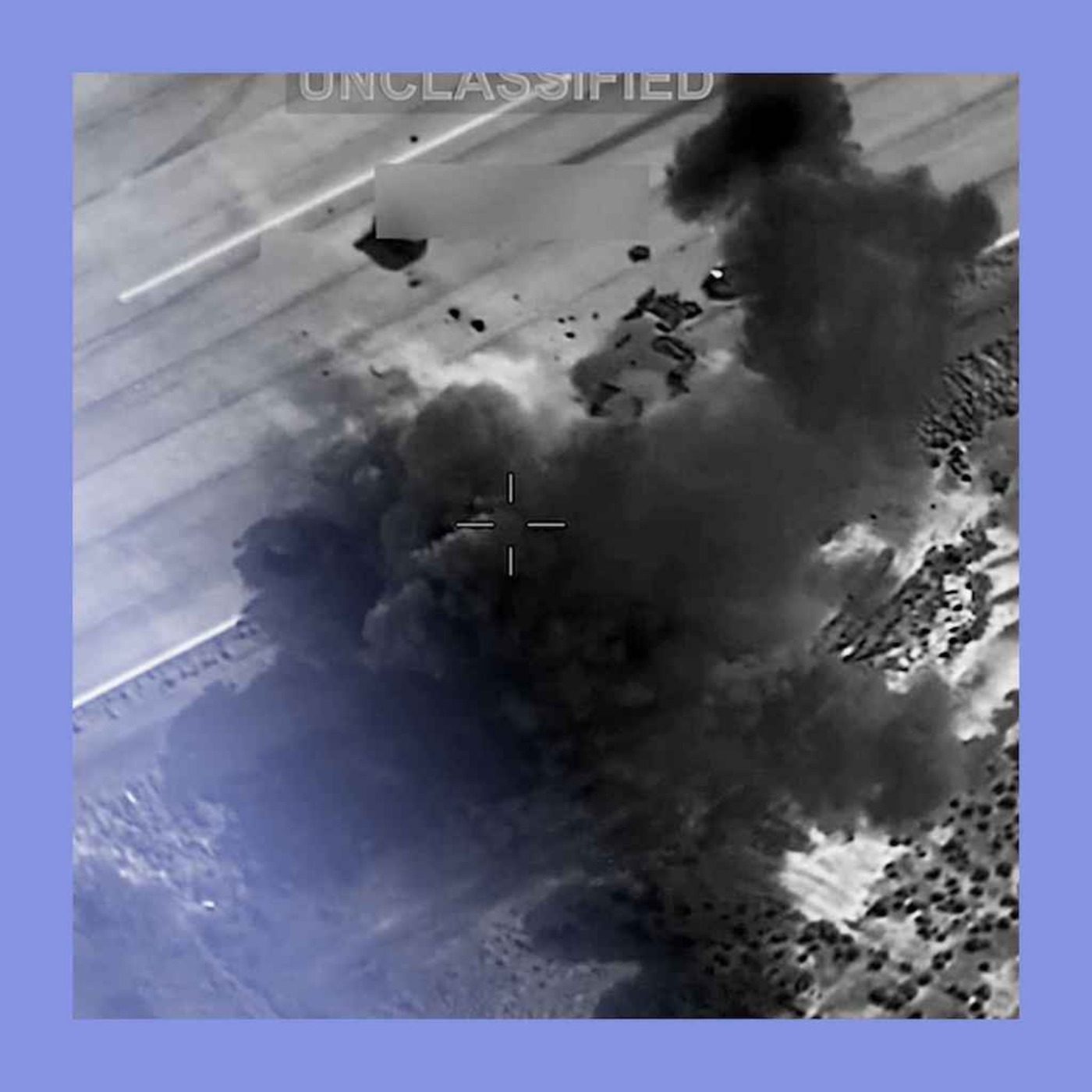
The ongoing war provides the Iranian regime with a pretext for heightened internal security. This allows it to suppress domestic protests and dissent, framing internal control as a necessary measure while managing an external existential threat.
Western assumptions of a liberal Iranian populace ready to overthrow the regime are flawed. While dissent is widespread, decades of repression have eliminated any organized political opposition. This, combined with a hardcore 10-20% base of support, makes the regime surprisingly durable.

Ayatollah Khamenei believes that any attempt at reform, like Gorbachev's in the USSR, would accelerate the regime's collapse rather than prolong it. This formative experience informs his rigid refusal to cede ground on core principles like the mandatory hijab, ensuring a brutal response to dissent.
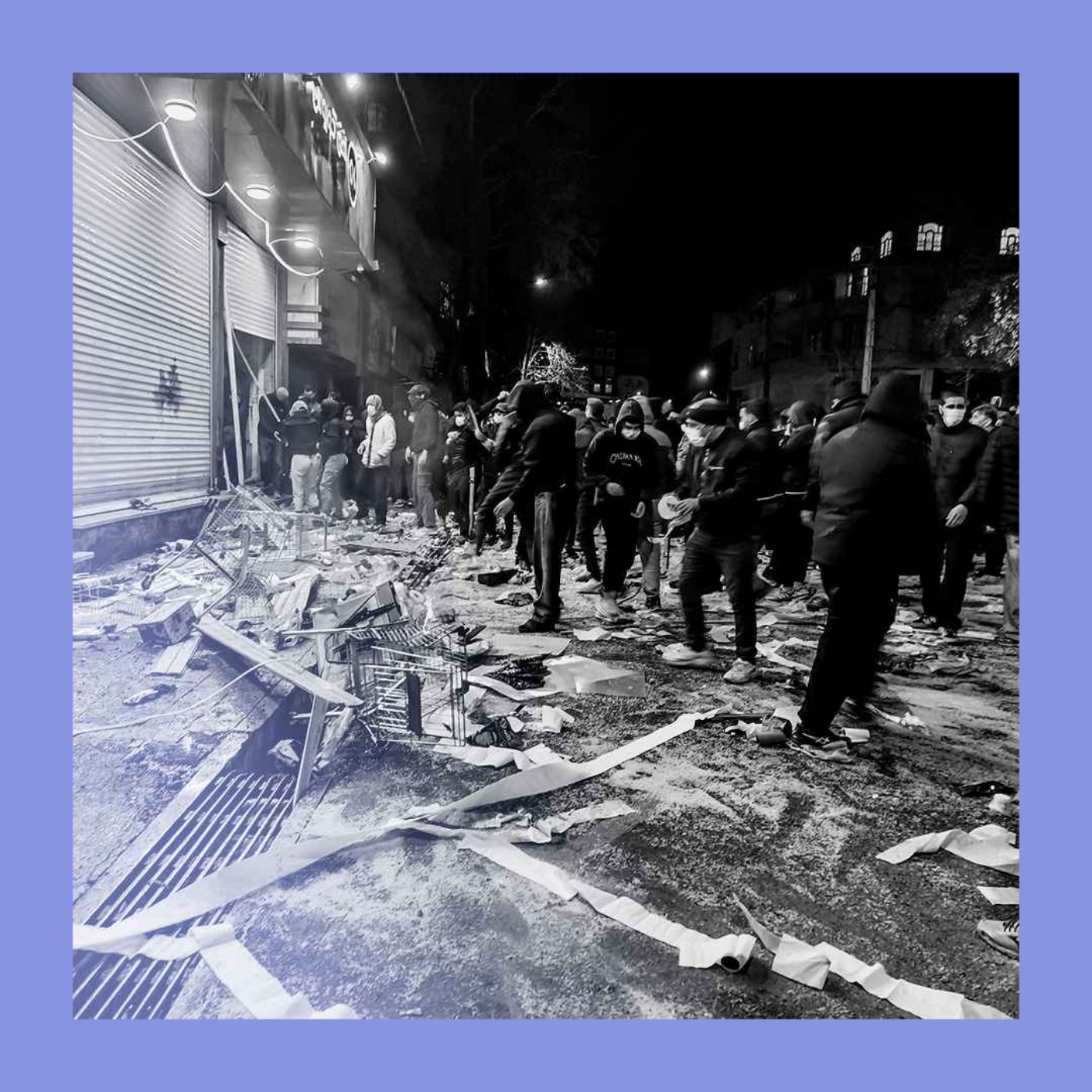
Unlike the 2022 protests led by middle-class women over social freedoms, the current unrest is driven by jobless young men—a traditionally pro-regime group—angry about economic collapse. This shift in demographics and motivation makes the government's usual appeasement tactics less effective.
Facing severe economic pressure from sanctions and inflation, the Iranian government has relaxed enforcement of the hijab law. This is a calculated concession to appease the population and release social pressure, effectively trading social freedom for economic stability without ceding significant political power.