Get your free personalized podcast brief
We scan new podcasts and send you the top 5 insights daily.
Iran's leadership projects regional strength, fostering national pride that makes compromise seem weak. However, this belligerence is a facade for a devastated domestic economy racked by sanctions, corruption, and war. This creates a fundamental tension: while they act tough, their long-term survival necessitates a diplomatic arrangement with the very enemies they confront.
Related Insights
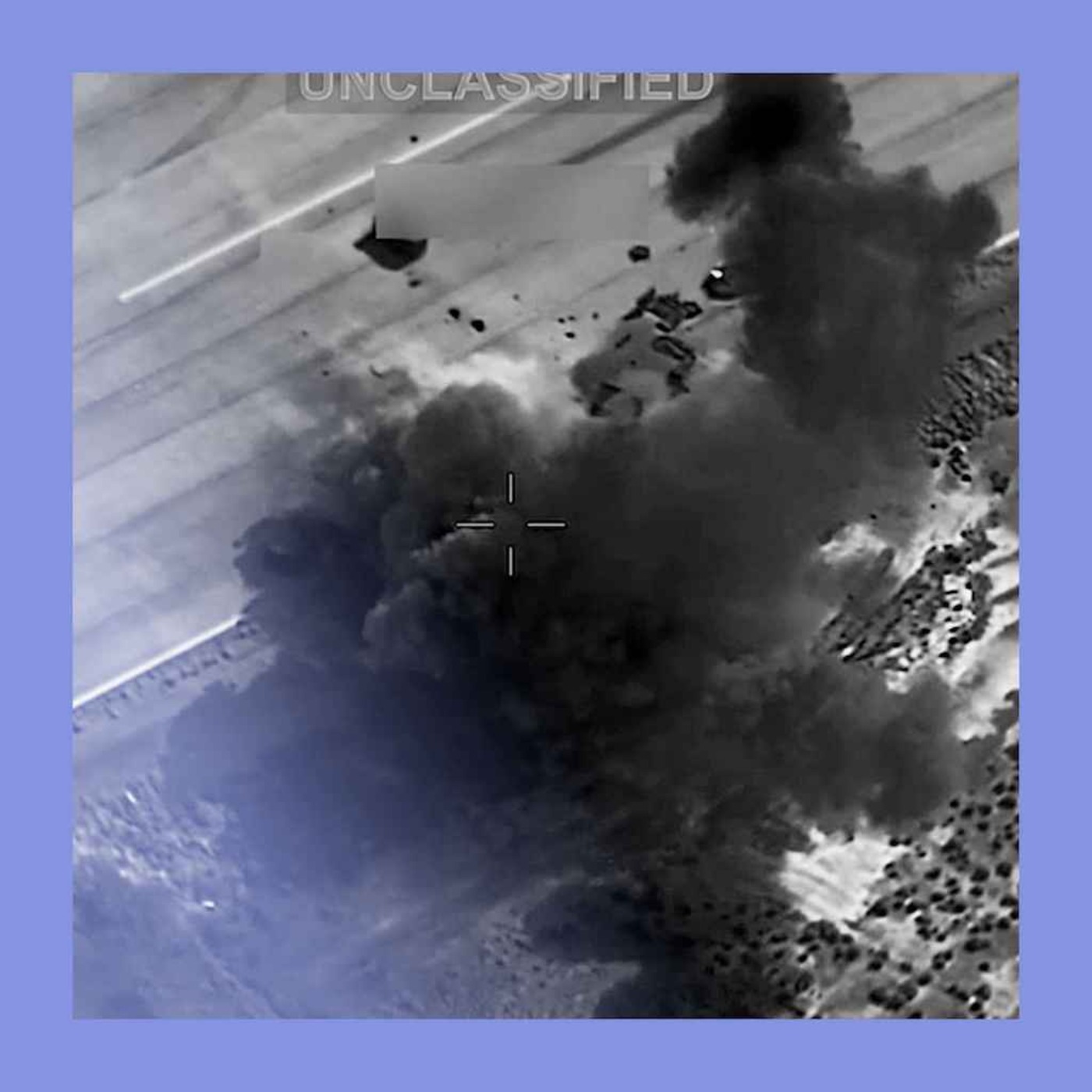
Iran perceives the conflict not as a regional dispute but as a direct threat to its existence. Its strategy is to make the war so costly for adversaries that it secures long-term guarantees against future attacks, framing its actions through a lens of survival.

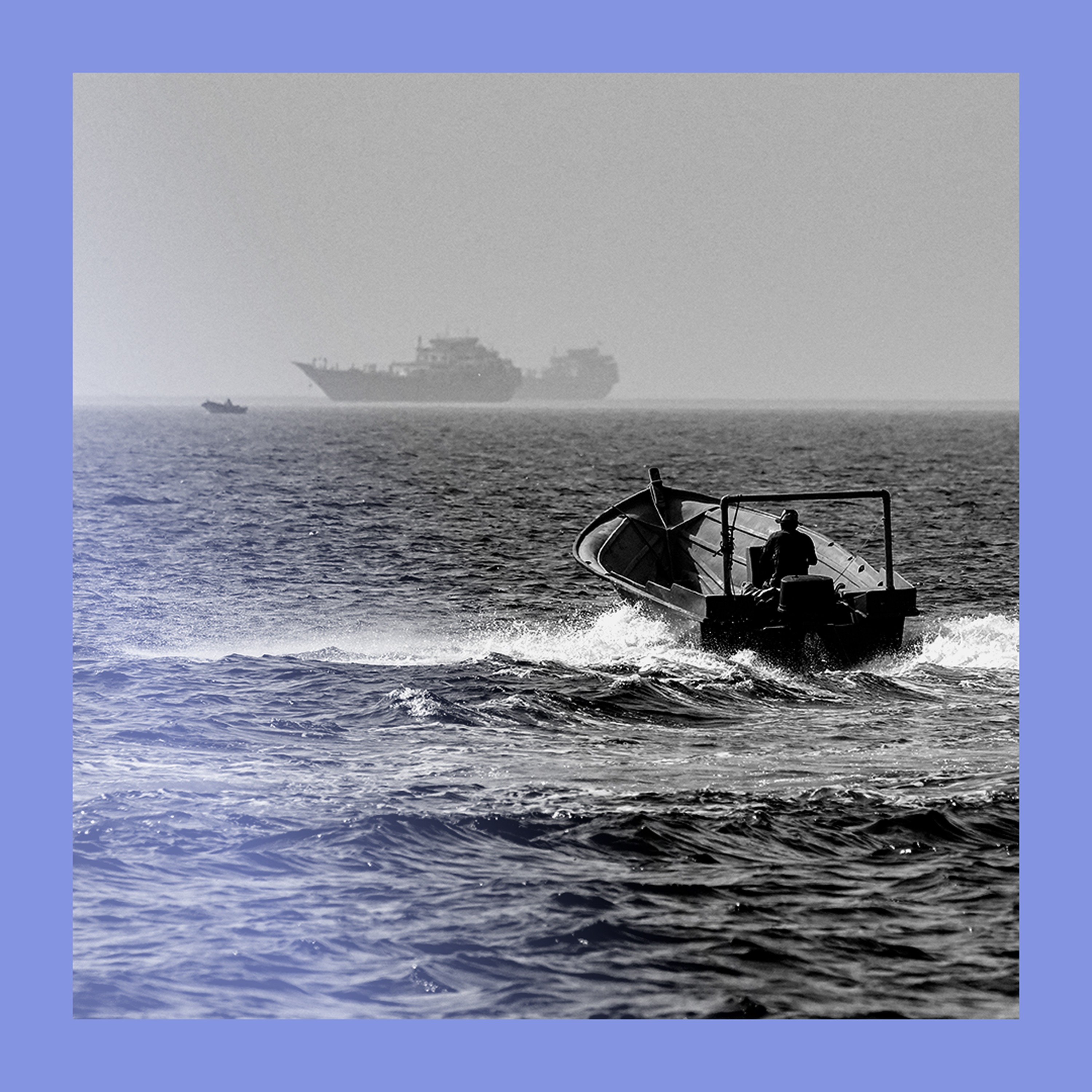
Despite being the weaker military party, Iran's ability to inflict persistent pain on regional shipping and U.S. allies gives it leverage. To secure a ceasefire, the U.S. may have to offer incentives like sanctions relief, allowing Iran to turn military weakness into diplomatic strength.

The death of Ayatollah Khamenei has removed a key moderating influence in Iran. The new leadership, euphoric from perceived military successes, is acting impulsively. This reckless system, led by generals, prioritizes projecting strength over the practical necessity of diplomacy to fix a devastated economy, making any negotiated settlement highly unlikely.
The U.S. mistakenly assumes Iran will react rationally to military pressure, as the West would. However, Iran's regime has a different calculus, valuing time and being more willing to let its populace suffer, making stalling tactics highly effective against American political and economic pressures.

The public threats of a military strike against Iran may be a high-stakes negotiating tactic, consistent with Trump's style of creating chaos before seeking a deal. The goal is likely not war, which would be politically damaging, but to force Iran into economic concessions or a new agreement on US terms.

Iran's leadership is betting it can withstand economic pressure longer than the US president can tolerate rising gas prices and diplomatic fallout ahead of midterm elections. Having survived past sanctions, Iran believes its autocratic regime has more staying power than an American administration facing voter discontent.
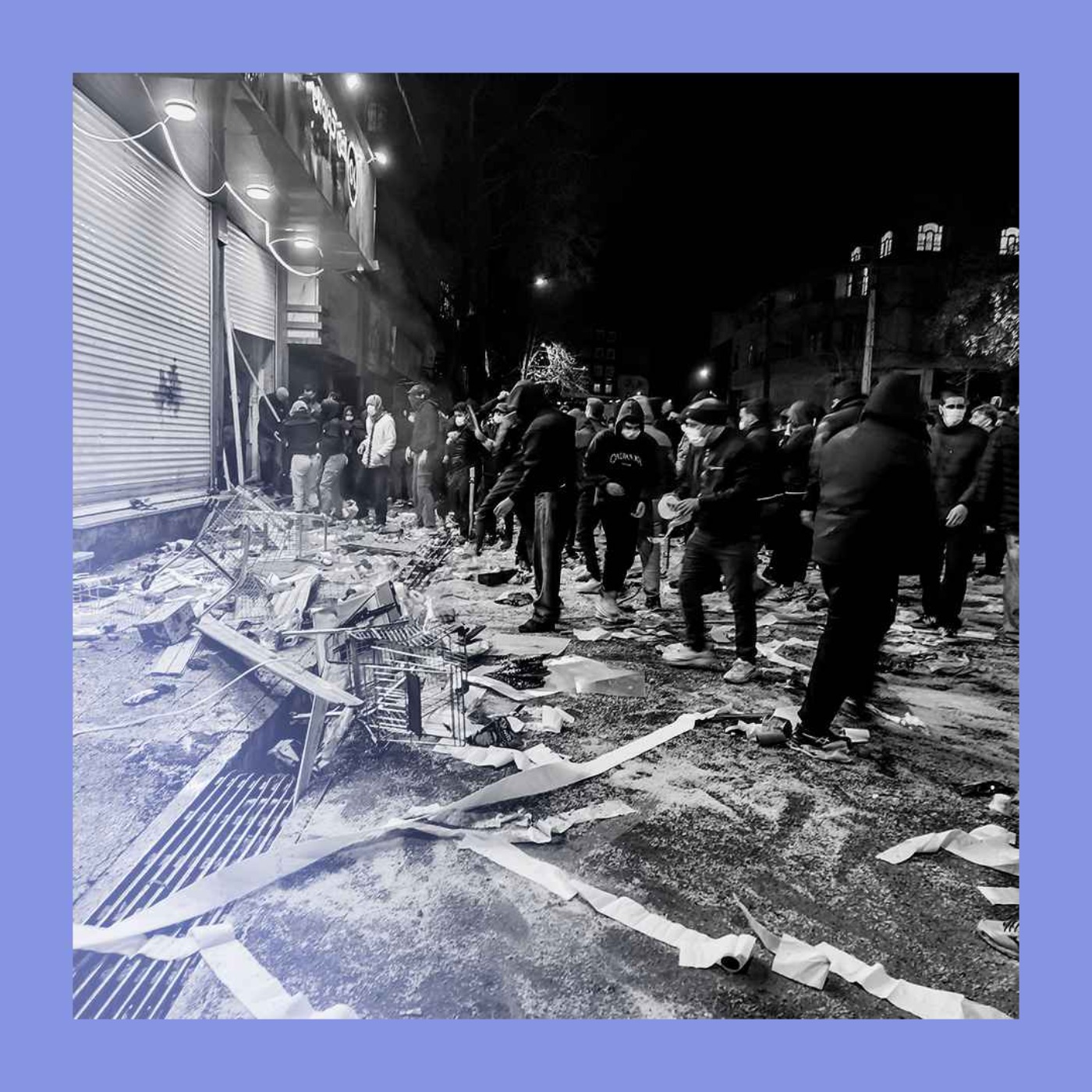
While US sanctions are a factor, the Iranian currency's freefall is largely due to structural corruption. The economy is dominated by the military and clerical foundations, a political-economic model that stifles growth and fuels public anger—a problem sanctions relief alone cannot solve.
A new generation, not the 1979 revolutionaries, now rules Iran. They are bolder, less intimidated by the U.S., and focused on national interest and regional power projection rather than exporting ideology. They are willing to use both aggressive military tactics and high-level diplomacy to achieve their goals.
Iran's attacks on Gulf states are a calculated strategy to distribute the conflict's costs. By disrupting commerce, tourism, and daily life across the region, Tehran hopes to generate enough pressure from Gulf leaders on the US to end the war with security guarantees for Iran.
The Iranian regime is expected to withstand current economic pressures by trying to 'wait out' the crisis. The belief is that the negative impact of the resulting energy shock on the global economy will eventually weaken international resolve before their own economy buckles.
