Get your free personalized podcast brief
We scan new podcasts and send you the top 5 insights daily.
Western assumptions of a liberal Iranian populace ready to overthrow the regime are flawed. While dissent is widespread, decades of repression have eliminated any organized political opposition. This, combined with a hardcore 10-20% base of support, makes the regime surprisingly durable.

Related Insights
Contrary to the typical anti-war sentiment in the West, anecdotal evidence suggests that an overwhelming majority of Iranians who oppose the regime—perhaps 80% or more—would welcome outside help. They feel abandoned after the US promised support for protesters, making them receptive to foreign intervention.

The idea that airstrikes can decapitate the Iranian regime is a fallacy. The IRGC's influence is too deeply embedded within the society and its institutions. Killing leaders at the top will not remove this "rot," and the IRGC will simply re-constitute control, likely in an even more repressive form.

Despite widespread protests, Iran's repressive state apparatus is highly effective and has shown no signs of cracking. The probability of the regime collapsing from internal pressure alone is extremely low. Niall Ferguson argues that only external intervention, a form of 'regime alteration,' can realistically topple the Islamic Republic.

The bombing campaign, aimed at regime change, could be counterproductive. Prior to the conflict, Iran's regime was seen as unpopular and frail, potentially heading for collapse or moderation. The external attack risks creating a rally-round-the-flag effect, allowing the regime to consolidate power where mere survival becomes a victory.
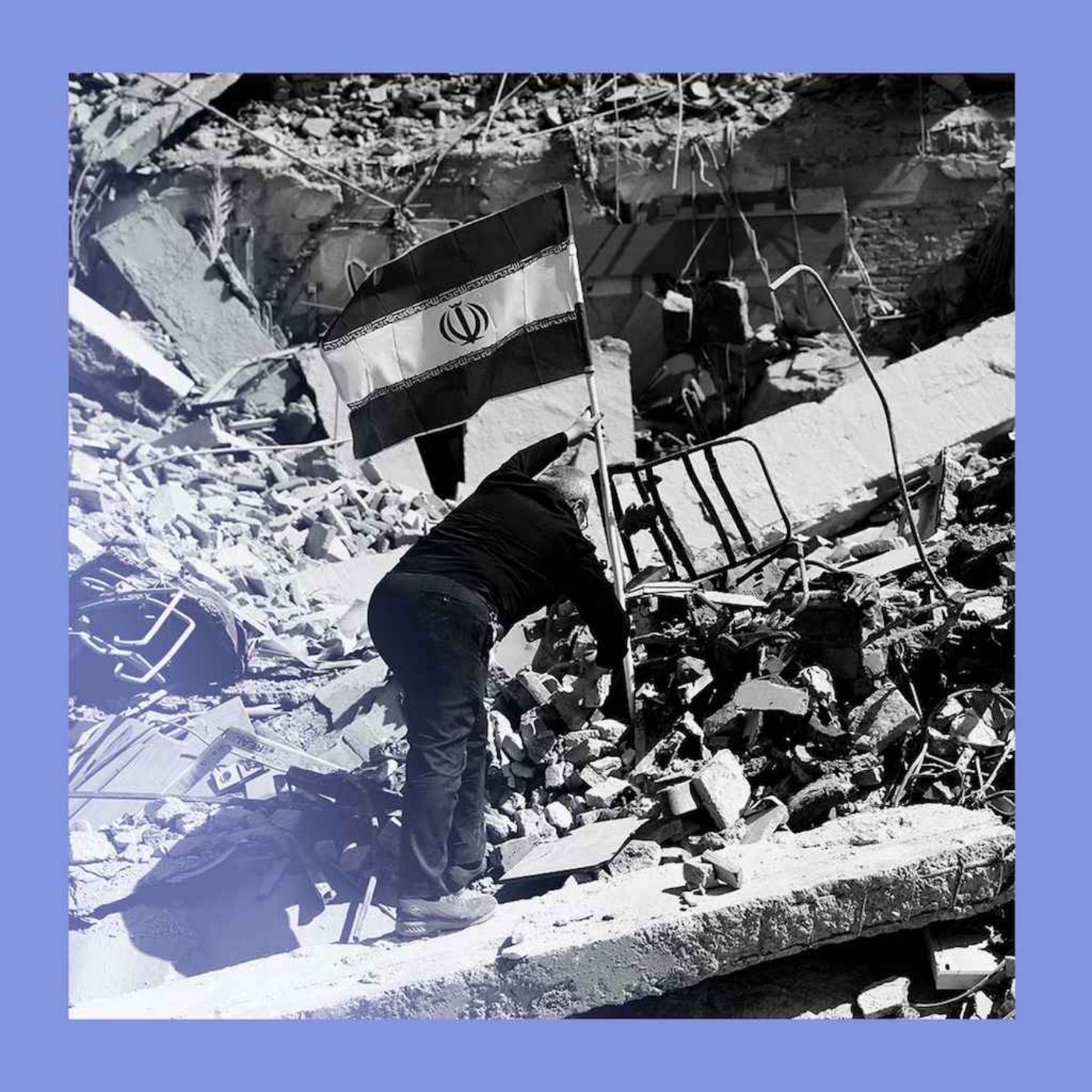
The ruling elite has inverted from 80% ideologues at the revolution's start to 80% charlatans today. Expedience and financial gain, not revolutionary zeal, now bind the regime's core. This ideological hollowness makes the regime more brittle than its rhetoric suggests.

Unlike regimes centered on a single dictator like Saddam Hussein, Iran's power structure is a complex, institutionalized relationship between its clerical and military establishments. This distributed power makes the regime resilient to 'decapitation' strikes aimed at killing senior leaders, as there is no single point of failure.
The Islamic regime's support base is limited to an aging demographic that participated in or benefited from the 1979 revolution. The country's overwhelmingly young population, a result of a post-revolution population boom, bears the brunt of the regime's failures and is staunchly opposed to it.

With its credibility destroyed by bloodshed, the Iranian regime's only remaining leverage over some citizens is the fear of a chaotic power vacuum. The prospect of a full-blown civil war may convince some to tolerate the current oppression over the alternative of total state collapse.
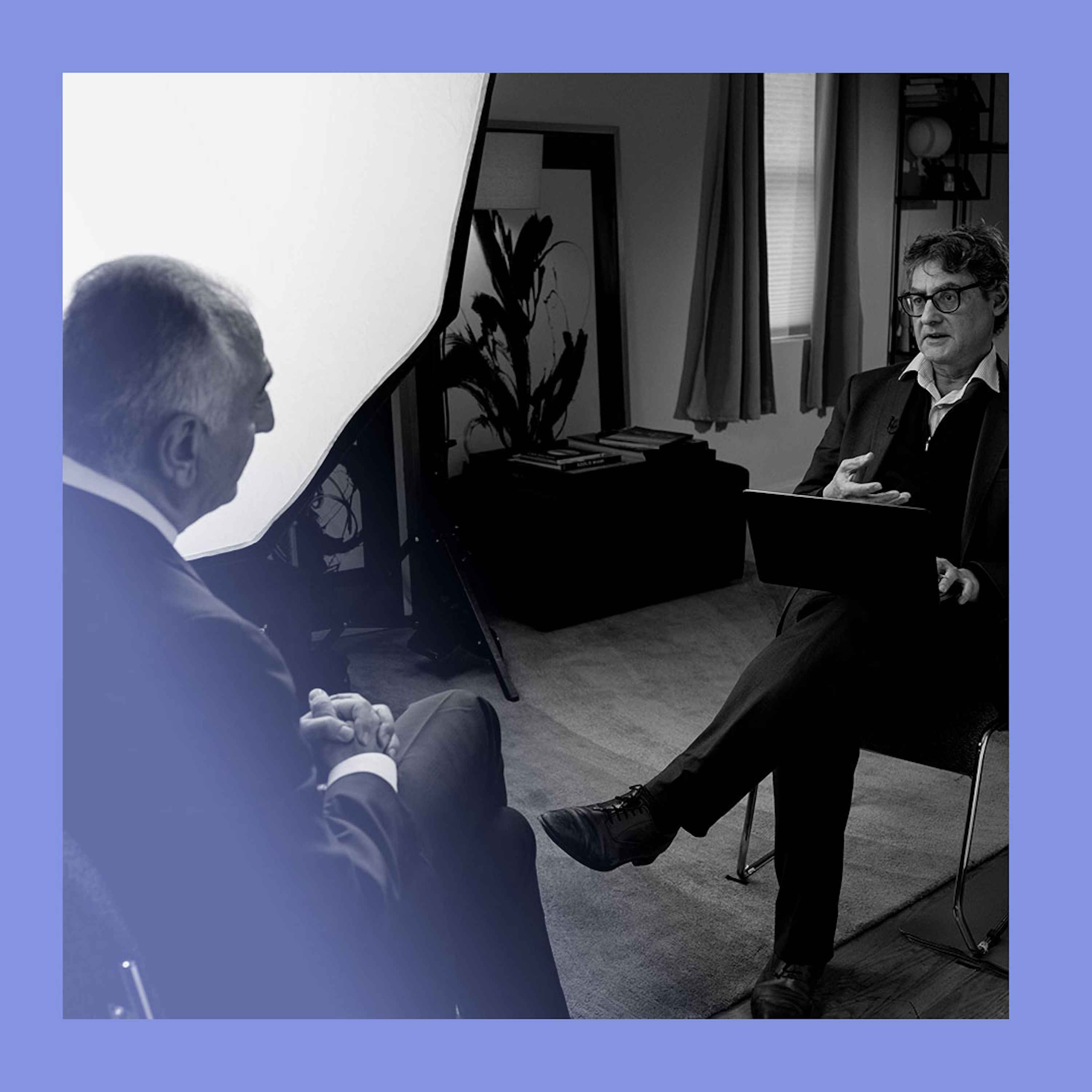
Despite widespread discontent, the Iranian opposition is leaderless, disorganized, and lacks a clear plan for seizing power. A successful revolution would require external military support to neutralize the regime's security forces, such as the Basij militia, and guide the effort.
Even if Iran's theocracy falls, a Western-style liberal democracy is unlikely. The leading opposition factions, particularly the royalists, are themselves illiberal and exhibit authoritarian tendencies. The most optimistic outcome may be a state resembling Hungary or a MAGA-led America, not a truly free society.