Get your free personalized podcast brief
We scan new podcasts and send you the top 5 insights daily.
In the fast-fashion industry, Uniqlo competes by moving slowly. They take a year from design to store, send artisans to factories, and developed their Heattech material over 10,000 prototypes. This focus on quality and timelessness fuels rapid, sustainable growth.

Related Insights
Instead of lowering prices to capture a wider audience, Scarlet Chase embraces a high-end niche. The founder's philosophy is that diluting the product's quality for broader appeal is a mistake. The strategy is to deliver exceptional value to a focused group of customers who can afford and appreciate the investment.
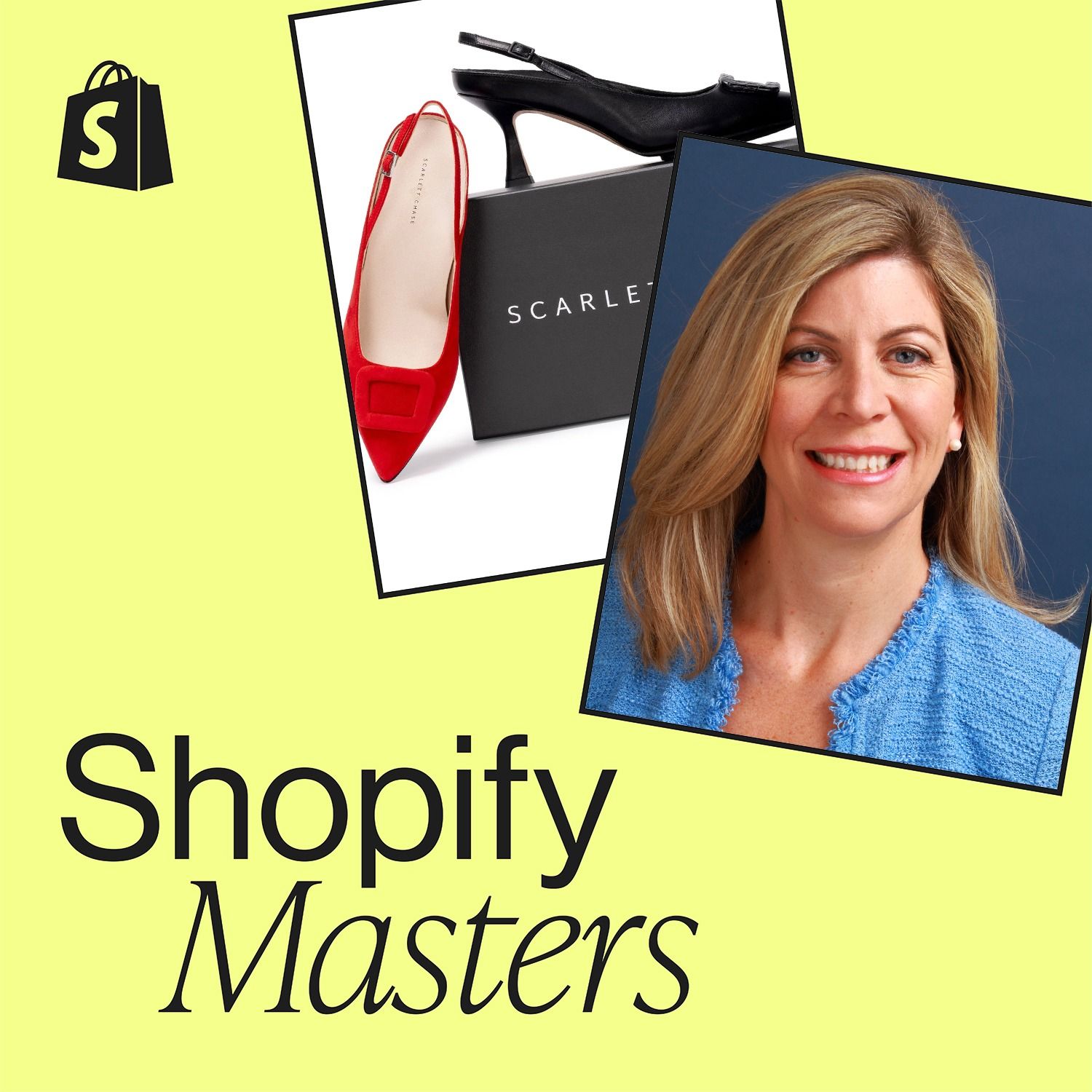
Fashion partnerships allow brands to quickly get physical products to market (6-9 months) and test consumer appetite. The "limited drop" model creates urgency and allows for experimentation—like "tapas instead of a big meal"—without the long lead times of other product categories.

Large CPG players have slow, agency-driven feedback loops. Nimble DTC brands can win by rapidly testing creative, messaging, and offers online, gaining an insurmountable learning advantage. Speed itself becomes the strategic edge, not just a byproduct of being small.
When competing against a resourceful incumbent, a startup's key advantage is speed. Bizzabo outmaneuvered its rival during the pandemic by launching a virtual solution in weeks, not months. This agility allows challenger brands to seize market shifts that larger players are too slow to address.

Province of Canada intentionally built an 'anti-fashion' brand by focusing on timeless basics rather than seasonal collections. This simplifies inventory, creates dependable products for customers, and allowed them to avoid the high-pressure, discount-driven wholesale cycle, leading to a more stable business.
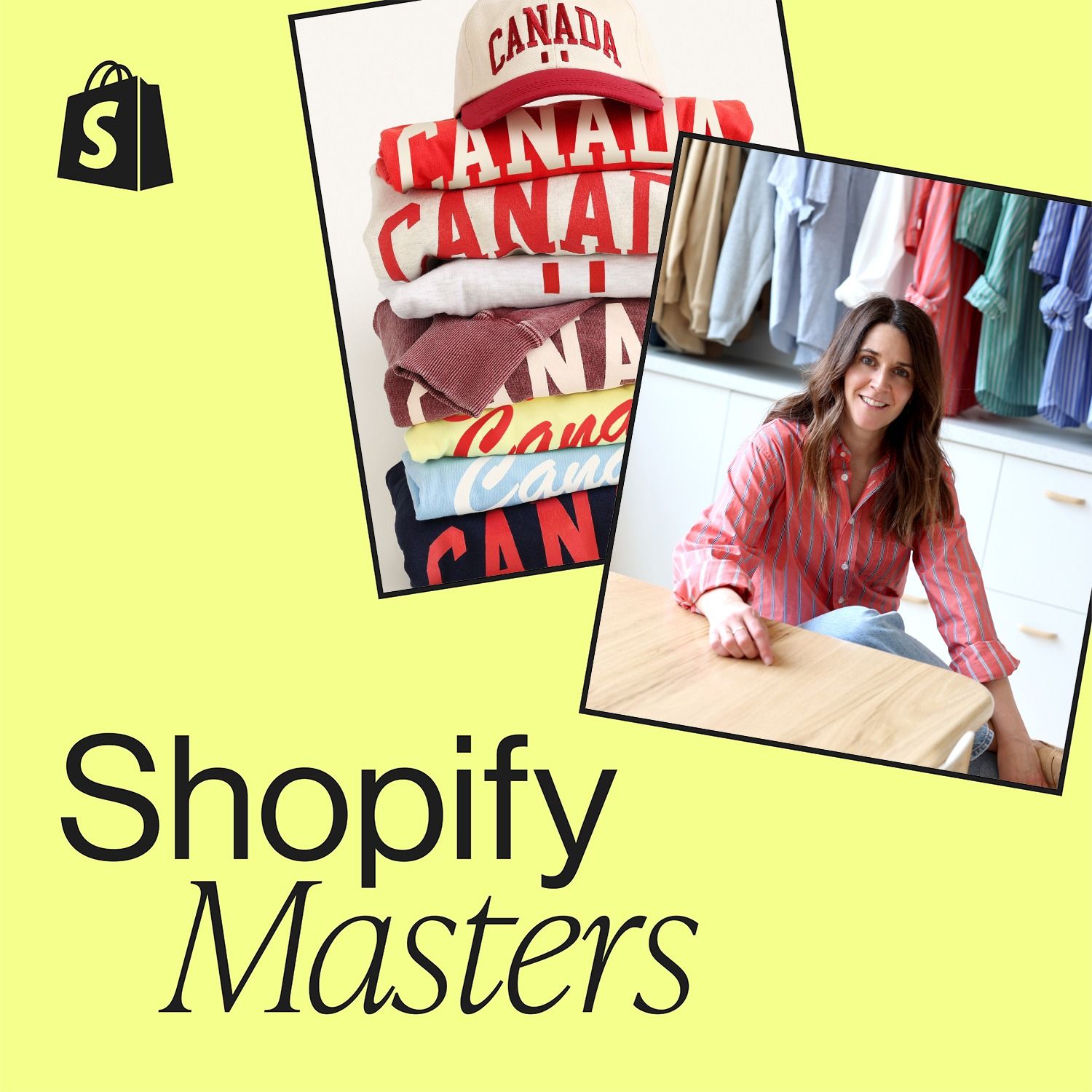
A smart growth strategy is to ignore fleeting micro-trends and instead focus on proven bestsellers. By creating variations and expanding on successful designs, brands can develop entirely new product categories based on existing customer love.

Fast-fashion retailer Shein avoids the perpetual sales common in retail by limiting its factory purchase orders to a maximum of 200 items per style. This prevents overstocking and the need to dump excess inventory at a discount, protecting its margins.

Uniqlo's global success isn't from following fast fashion trends, but by rejecting them. The company focuses on high-quality, long-lasting basics and innovative functional fabrics like Heattech, creating a universally appealing brand that prioritizes durability and value over fleeting styles.
In a market obsessed with speed and instant gratification, luxury brand Zania positions slowness as the ultimate premium. Their made-to-measure suits take weeks, signaling craftsmanship and exclusivity. Time itself becomes the luxury product being sold.

Starting with drop shipping proved the concept but offered unsustainable margins. The pivot to in-house apparel manufacturing unlocked significantly higher profits (from a £2 margin to £15). This allowed them to reinvest capital back into the business, fueling actual growth.
