Get your free personalized podcast brief
We scan new podcasts and send you the top 5 insights daily.
Fast-fashion retailer Shein avoids the perpetual sales common in retail by limiting its factory purchase orders to a maximum of 200 items per style. This prevents overstocking and the need to dump excess inventory at a discount, protecting its margins.

Related Insights
Plant Material vets its hard-good suppliers based on their online pricing strategy. If a brand allows its products to be sold at wholesale prices directly to consumers online, the company won't carry them, proactively protecting its ability to compete and maintain retail margins.

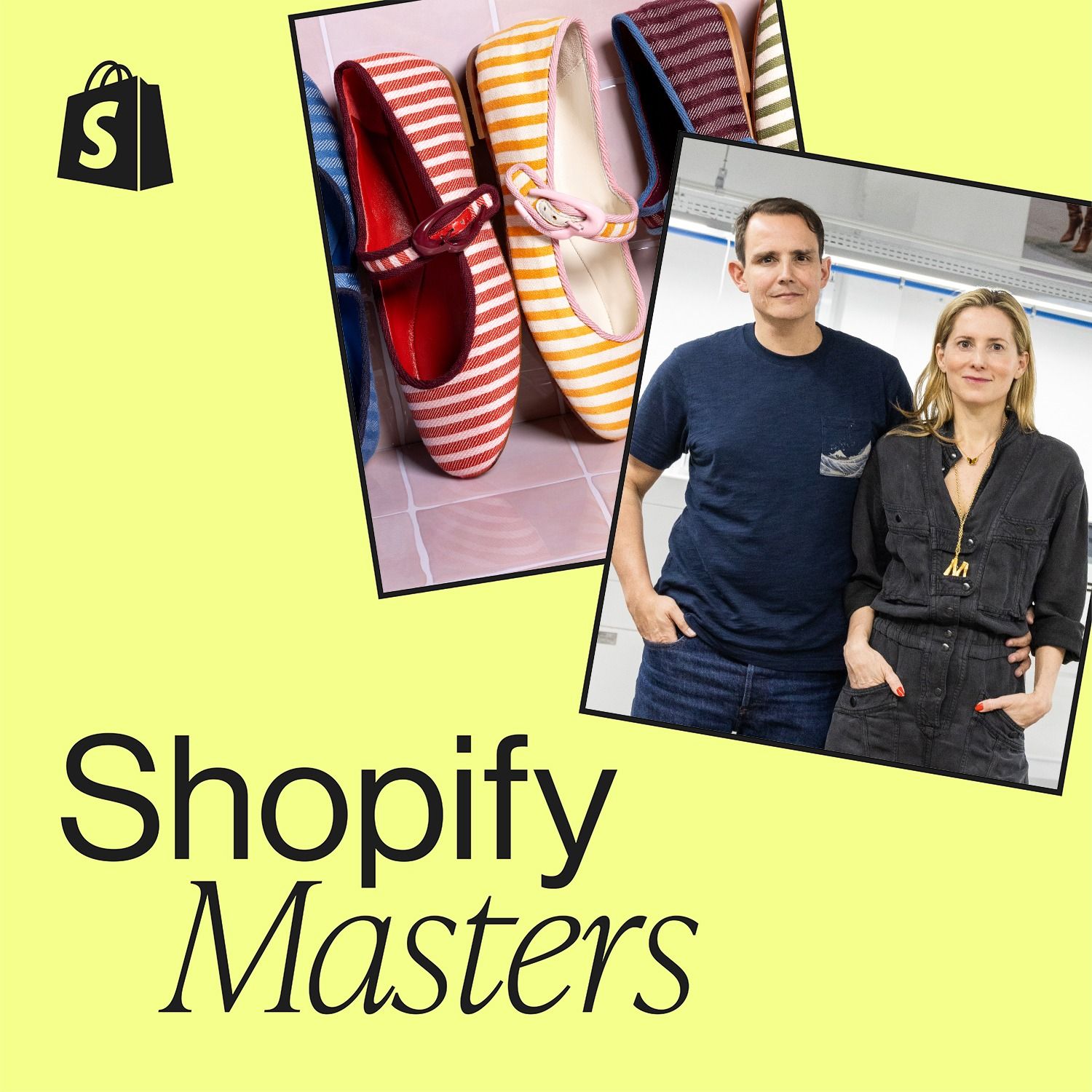
Instead of discounting old inventory, Larroudé offers a pre-order discount on new collections, similar to an early-bird airline ticket. This "direct-to-demand" model incentivizes customers to commit early, which funds production, eliminates excess inventory risk, and improves the brand's cash flow and profitability.
You don't need massive scale to achieve group-purchasing power. By finding another company with a similar order and simply doubling the volume presented to a factory, a sourcing platform can negotiate price drops of 20-30%. This makes demand aggregation highly effective even at an early stage.

Unlike brands that flood the market and rely on markdowns, Norwegian Wool carefully controls its distribution channels and production quantities. This ensures a high percentage of items sell at full price, creating real margins and a "fear of missing out" that drives early-season sales.

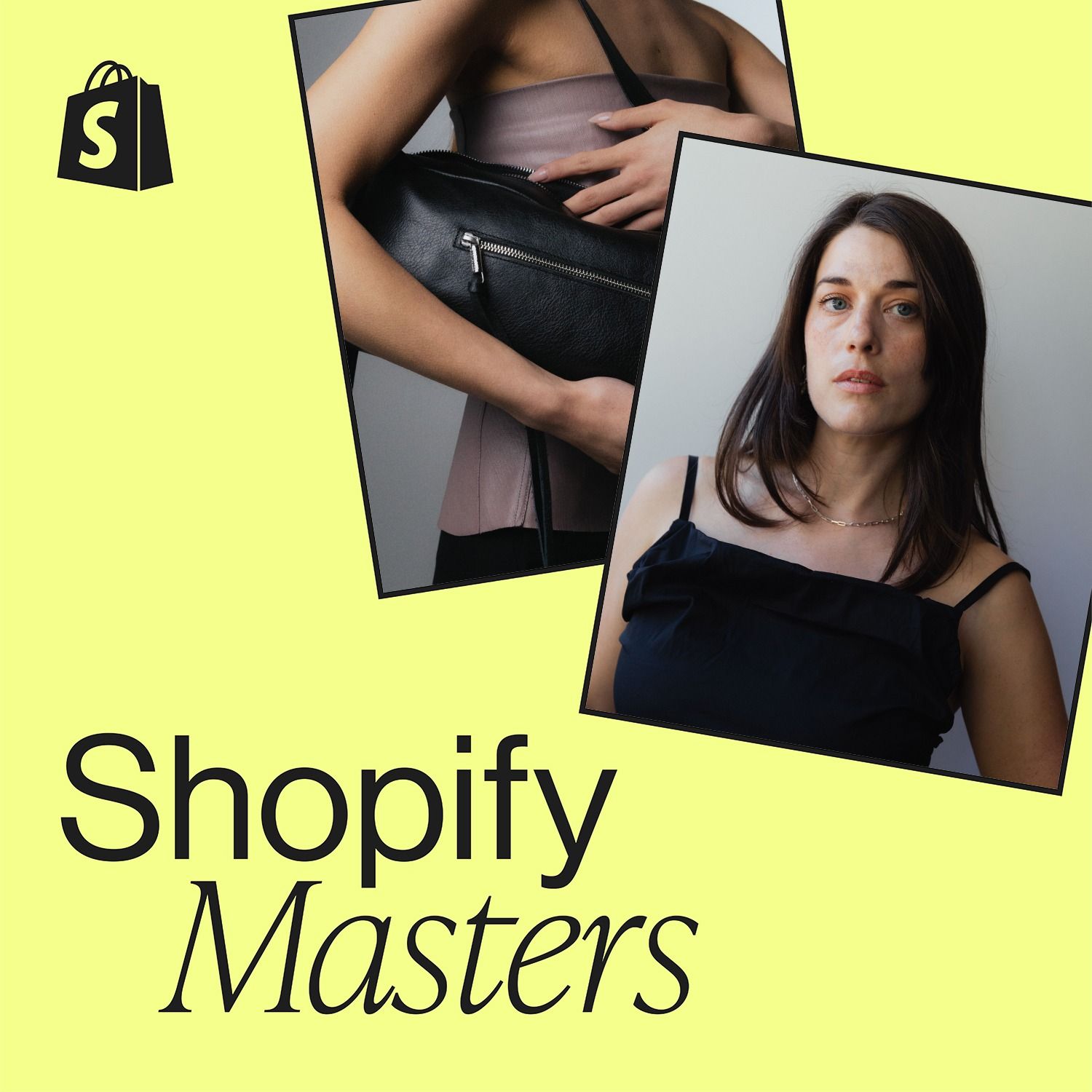
By eliminating seasonal colors to focus only on her bestseller—black—handbag brand Sonya Lee could place larger bulk leather orders. This allowed her to bypass wholesalers and source directly from a premium tannery, dramatically improving margins, ensuring material traceability, and making capital more efficient.
For D2C fashion brands, the inability of third-party suppliers to quickly fulfill reorders on trending products is a key trigger for vertical integration. Larroudé's co-founder realized the cost of one large factory order was equivalent to buying the machinery himself, enabling them to meet demand in weeks, not months.
Smithy Home Couture avoids the risk of unsold finished goods by stocking 400+ rolls of fabric, not pre-made pillow covers. This made-to-order process keeps inventory costs low, allows for high customization, and still enables a rapid 3-5 day shipping window.

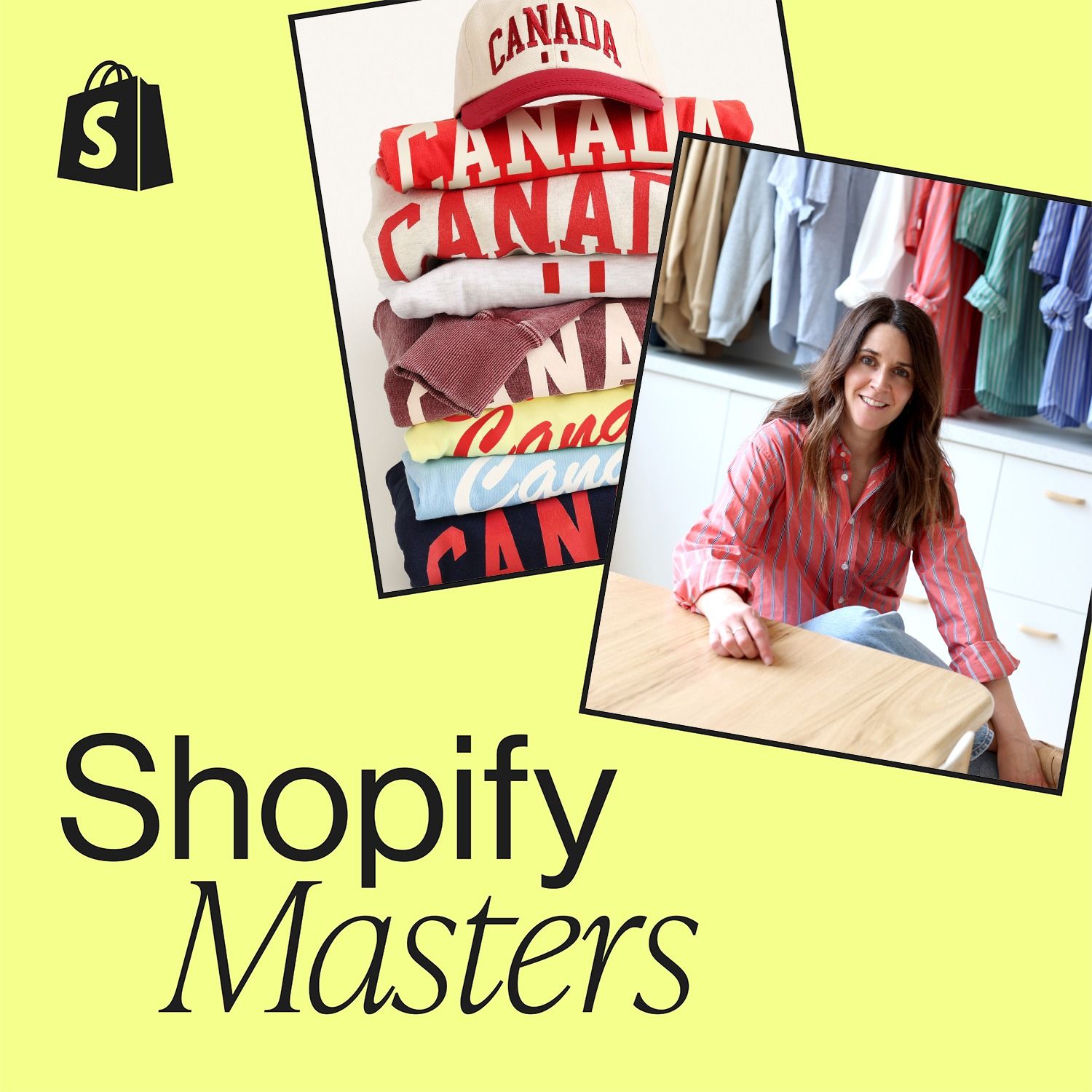
Province of Canada intentionally built an 'anti-fashion' brand by focusing on timeless basics rather than seasonal collections. This simplifies inventory, creates dependable products for customers, and allowed them to avoid the high-pressure, discount-driven wholesale cycle, leading to a more stable business.
Comfort strategically adjusts prices based on stock availability, not just demand. For fast-selling items, they increase the price to slow sales velocity, ensuring they stay in stock longer and avoid disappointing customers. This prioritizes long-term stability over short-term sales volume.

To avoid the operational chaos of viral success, Shelter Skin deliberately caps production to match what they can manufacture and ship themselves. This prevents them from overselling and allows for sustainable, bootstrapped growth, even if it means frustrating some customers with temporary stockouts.