Get your free personalized podcast brief
We scan new podcasts and send you the top 5 insights daily.
In a market obsessed with speed and instant gratification, luxury brand Zania positions slowness as the ultimate premium. Their made-to-measure suits take weeks, signaling craftsmanship and exclusivity. Time itself becomes the luxury product being sold.
Related Insights
The founders resolve the tension between speed and quality by being "obsessive." They move fast by iterating constantly, but also relentlessly go back and refine existing work. Speed is about the pace of iteration and a commitment to delight, not about shipping once and moving on.

Consumers perceive products as higher quality when they are aware of the effort (e.g., number of prototypes, design iterations) that went into creating them. This 'labor illusion' works because people use effort as a mental shortcut to judge quality. Dyson's '5,127 prototypes' is a classic example.

For luxury brands, raising prices is a strategic tool to enhance brand perception. Unlike mass-market goods where high prices deter buyers, in luxury, price hikes increase desirability and signal exclusivity. This reinforces the brand's elite status and makes it more coveted.
A bespoke tailor is expected to provide luxury service; it's table stakes. However, a tire shop or contractor that delivers the same level of care and proactivity creates a far more powerful differentiator because it shatters customer expectations, driving powerful word-of-mouth.

Despite data showing high demand, Hallie Meyer instinctively "presses the brakes" on scaling her ice cream business. She fears that rapid growth could "burst the bubble of obsession" customers have with the product and its intimate experience, consciously prioritizing brand love over immediate expansion.

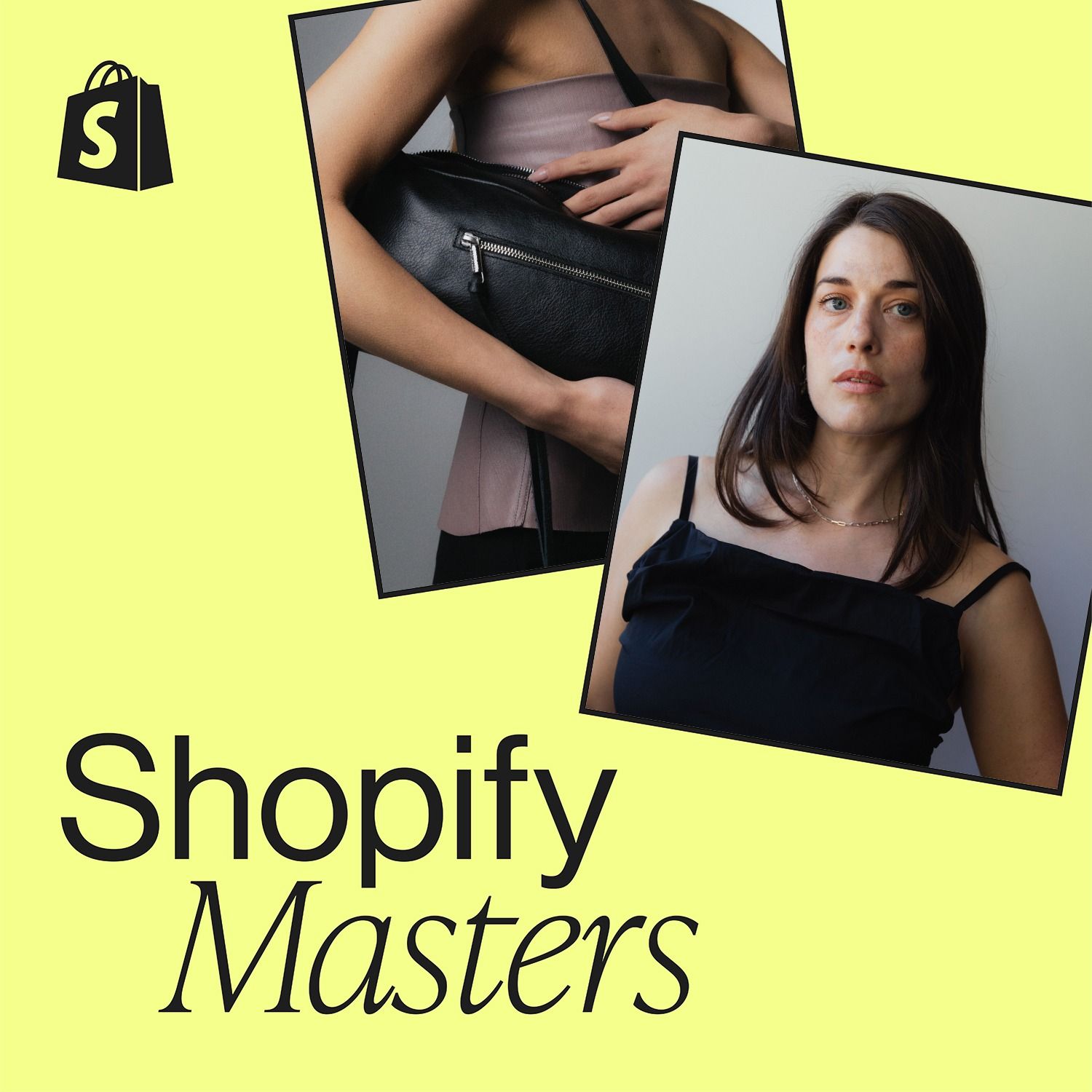
Sonya Lee targets educated consumers skeptical of traditional luxury markups. By sourcing directly from a certified tannery, the brand can prove its leather's origin—from a specific farm to the final product. This radical transparency builds trust, justifies its price point, and differentiates it from competitors who obscure their supply chains.
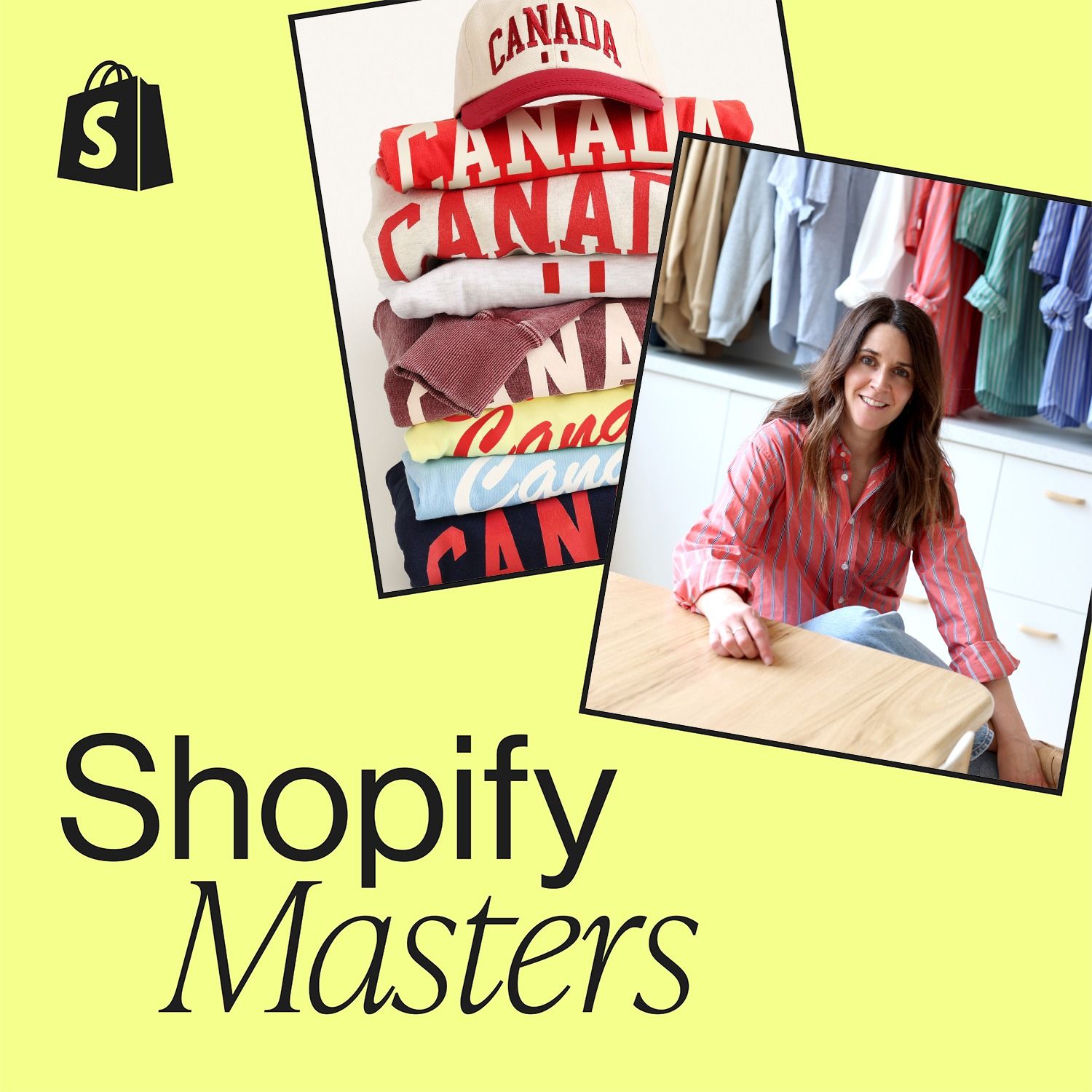
Province of Canada intentionally built an 'anti-fashion' brand by focusing on timeless basics rather than seasonal collections. This simplifies inventory, creates dependable products for customers, and allowed them to avoid the high-pressure, discount-driven wholesale cycle, leading to a more stable business.
When designing a premium service, prioritize reducing the time to value (latency). For affluent customers, time is more valuable than money. A promise to deliver the desired outcome in half the time is a far more persuasive selling point than a discount or greater magnitude of result.

As luxury brands consolidate into huge corporations, they face a paradox: their prestige relies on exclusivity, but their business models require mass-market scale. The solution is a new paradigm where status is framed as inclusive and 'for everyone,' turning the concept of prestige proletarian.

When faced with the complex task of judging a product's quality, consumers often substitute a simpler question: how much effort went into making it? By highlighting the 5,127 prototypes, James Dyson masterfully signals immense effort. This 'labor illusion' imbues the final product with a perception of higher quality and justifies its premium price, even though the effort itself is irrelevant to performance.
