Get your free personalized podcast brief
We scan new podcasts and send you the top 5 insights daily.
Fashion partnerships allow brands to quickly get physical products to market (6-9 months) and test consumer appetite. The "limited drop" model creates urgency and allows for experimentation—like "tapas instead of a big meal"—without the long lead times of other product categories.

Related Insights
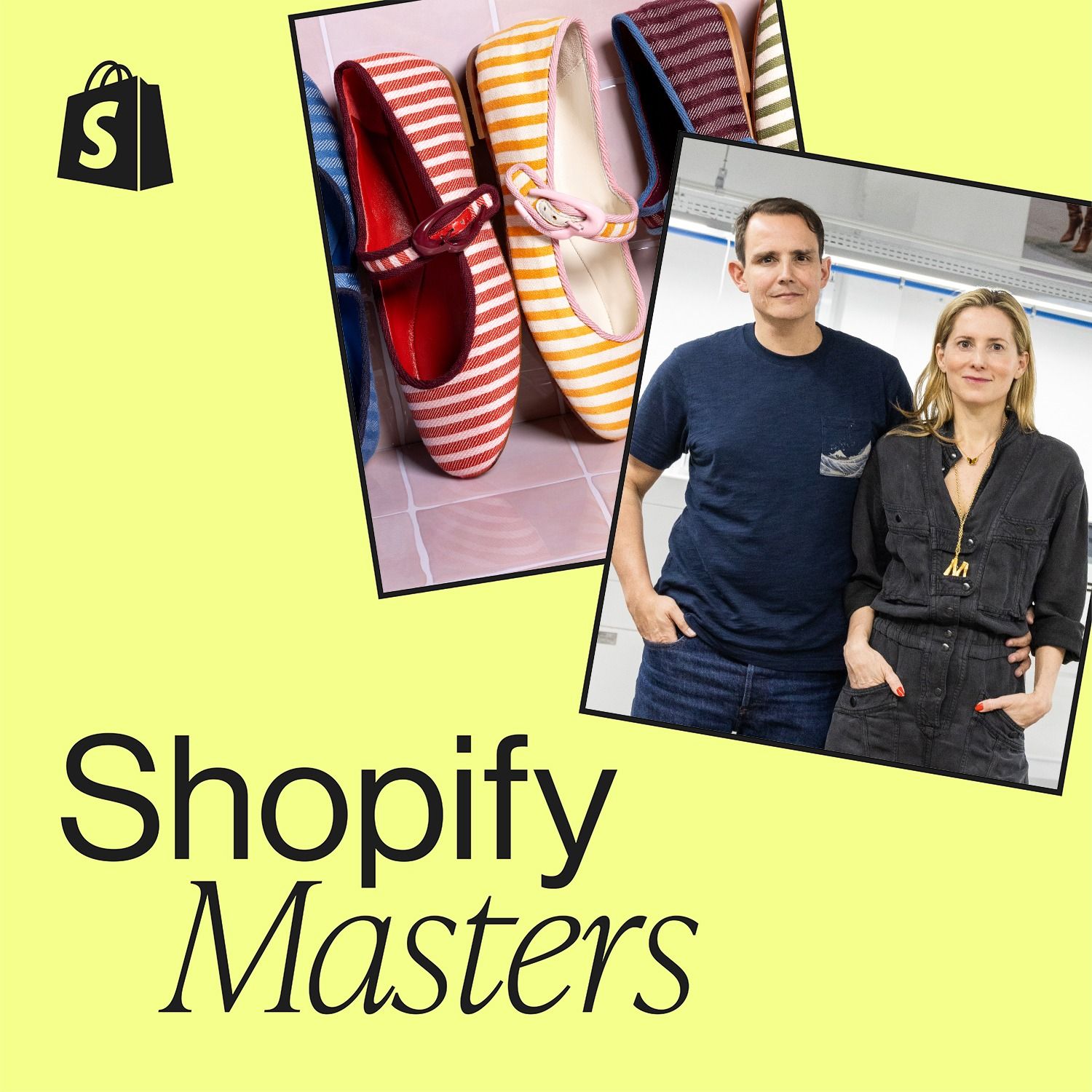
Instead of discounting old inventory, Larroudé offers a pre-order discount on new collections, similar to an early-bird airline ticket. This "direct-to-demand" model incentivizes customers to commit early, which funds production, eliminates excess inventory risk, and improves the brand's cash flow and profitability.
Platforms like Suppleful (supplements) allow you to test demand for a physical product under your own brand without investing in a large minimum order quantity (MOQ). This dropshipping approach validates the market and marketing angles first, significantly de-risking the eventual move to full-scale production.

Control the product, not the message. On Running's CPO suggests brands can learn from high fashion's runway model: release a product and let the "jury" of critics and consumers create the narrative. This unfiltered approach builds more authenticity than a carefully crafted press release, even if the feedback isn't always positive.
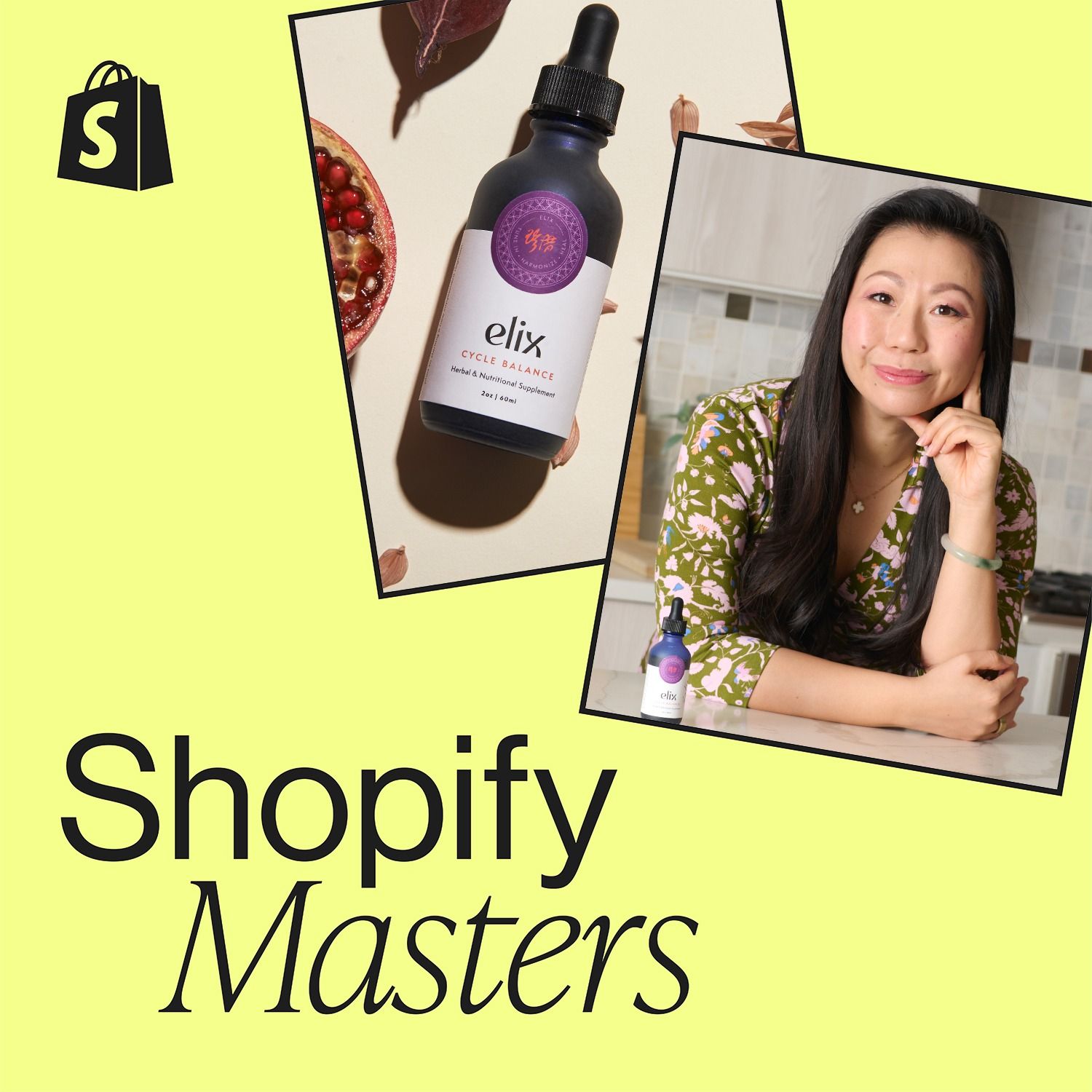
Elix founder Lulu Ge launched a beta test called "#periodpainfree" with basic packaging. This allowed her to gauge real-world demand from strangers online before committing resources to a full brand launch, proving the concept's viability cheaply and effectively.
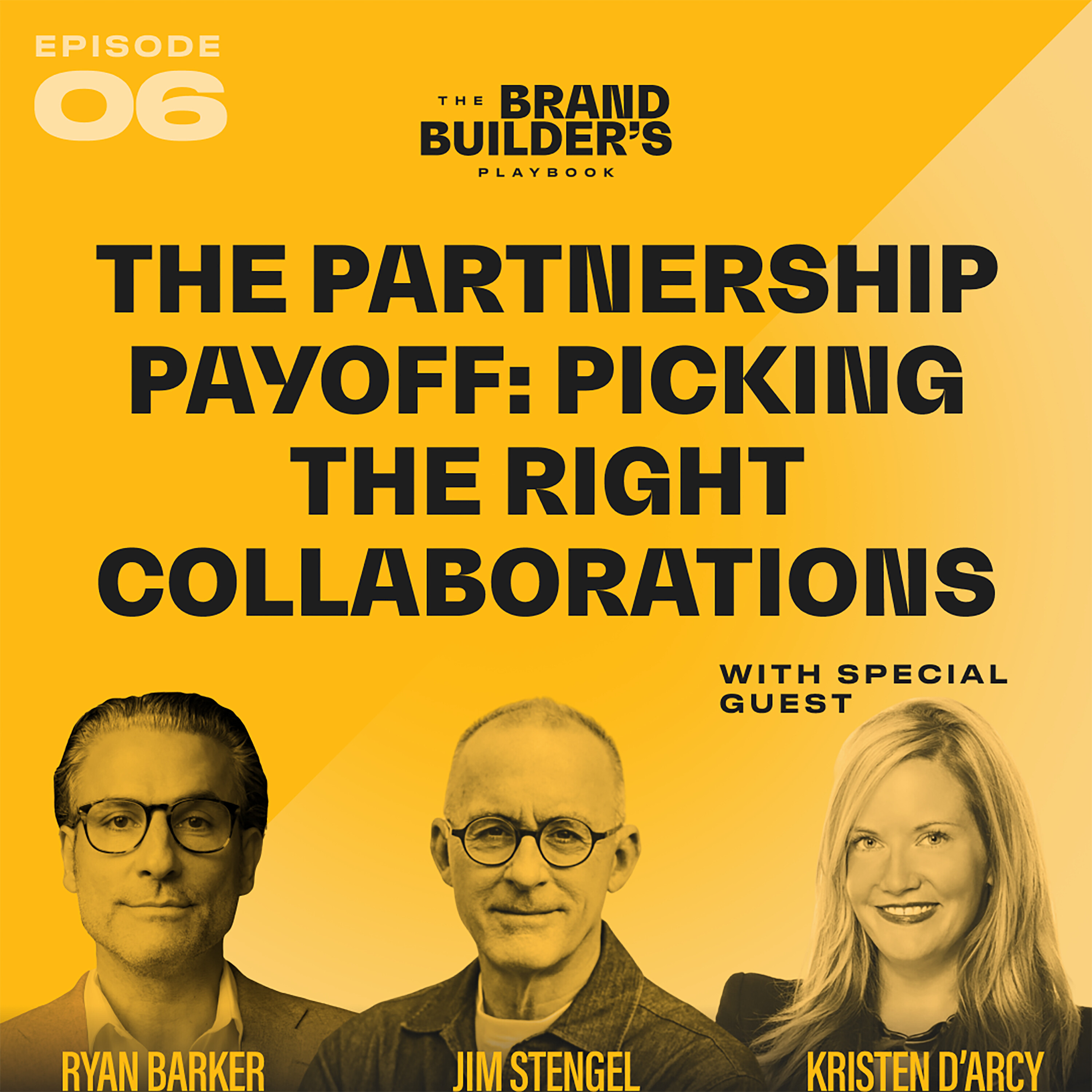
True Religion strategically defines the objective of each partnership before launch. A collaboration with Ford aimed for mass scale and broad awareness. In contrast, a partnership with fashion brand Bella Donna was specifically designed to attract a new, targeted audience (the Hispanic consumer), showcasing a dual-pronged approach to growth.
Instead of starting with a blank slate, Nike's team prototypes new ideas by physically cutting and modifying existing products. This "cobbling" method enables rapid, low-cost testing of core concepts before investing in new designs and expensive molds, allowing them to fail fast and forward.

Large CPG players have slow, agency-driven feedback loops. Nimble DTC brands can win by rapidly testing creative, messaging, and offers online, gaining an insurmountable learning advantage. Speed itself becomes the strategic edge, not just a byproduct of being small.
To get to your first sale a day, prioritize speed over perfection by launching a Minimum Viable Product (MVP) line of 6-12 items. The goal isn't immediate profitability, but to get real products into the market quickly. This allows for rapid learning and feedback, preventing the common failure of launching a 'perfect' collection to no audience.
To stand out in a "sea of sameness," the brand approaches its strategy like an entertainment programmer. Limited-edition celebrity collaborations with talent like Travis Kelce act as exciting "plot twists" that create urgency and a jolt of energy beyond the core product line.

For a massive brand like Hanes, a collaboration with a niche retailer like Urban Outfitters isn't about massive sales volume. Its primary value is marketing—generating 'brand heat' and cultural relevance. This is strategically distinct from a new category launch, which is a pure volume play.
