Get your free personalized podcast brief
We scan new podcasts and send you the top 5 insights daily.
To stand out in the crowded snack aisle, MadeGood hired a design firm specializing in cosmetics, not food. This led to unconventional choices like bright colors and a massive logo taking up half the package, creating a visually disruptive product that grabbed consumer attention.

Related Insights
A market can seem established, but if existing products are visually unappealing and fail to create an emotional connection, a new entrant can win purely on branding and packaging that captures attention and meets a consumer's need state.

Hint's marketing SVP argues that packaging is the number one source of impressions for a CPG brand, more than any paid media. It's a walking billboard that people see most often. Therefore, it requires significant investment to ensure it perfectly represents the brand's energy and converts on the shelf.

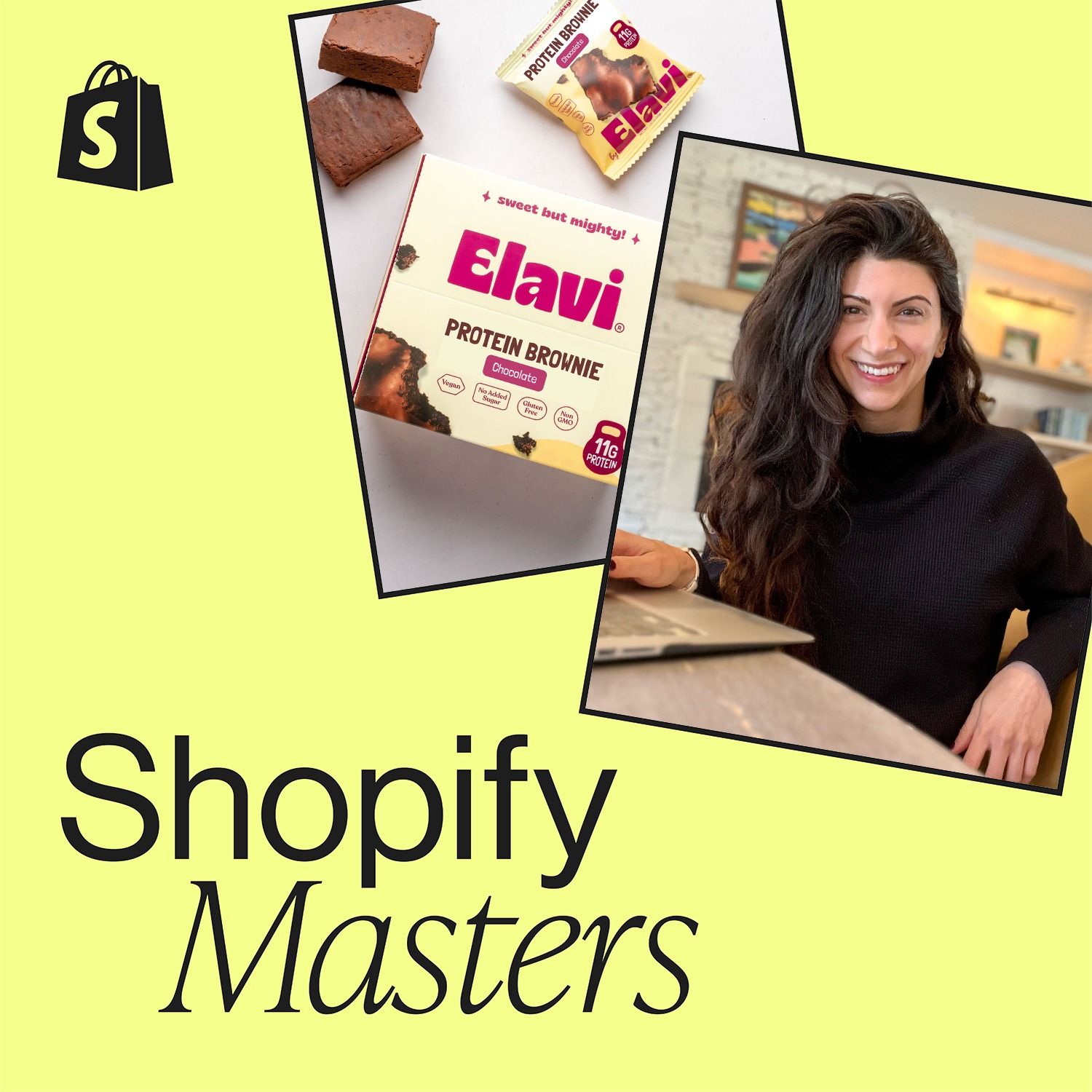
Alave made a bold packaging decision: making the product type (“Protein Brownie”) the main focus, not the brand logo. They gambled that in the split-second a customer looks at a shelf, clearly communicating *what* the product is proves more effective for a new brand than establishing *who* they are. The strategy crushed.
Initially using a standard carton, Matt O'Hayer was inspired by Stonyfield's founder, who pointed out the egg carton was a "big piece of real estate." This insight prompted Vital Farms to redesign its packaging into a piece of art that tells a story, turning a disposable container into their most powerful tool for capturing attention and driving trial purchases.
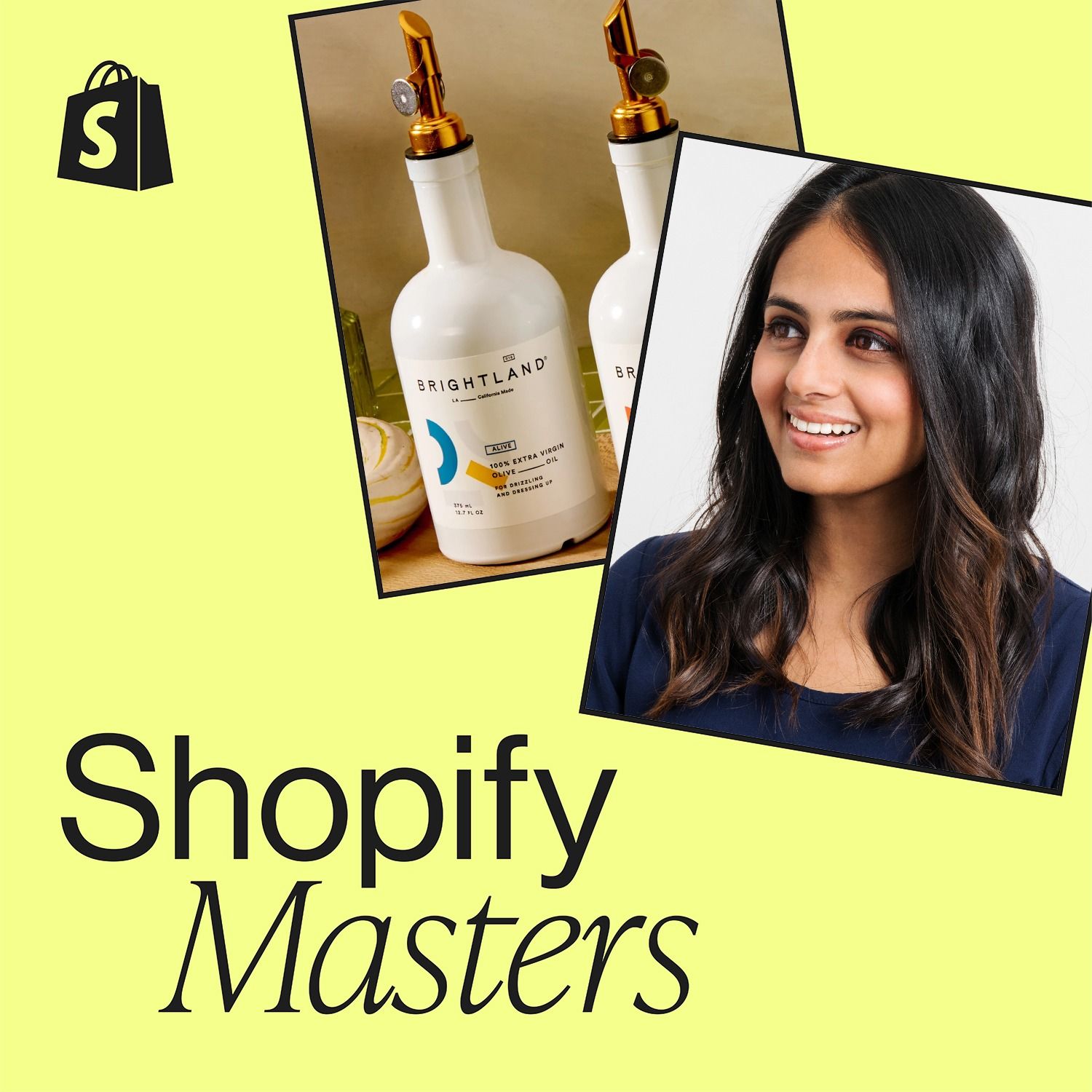
To create a product that stands out, look for design cues outside of your immediate industry. Brightland’s team studies jewelry and footwear stores to understand emerging colors and styles, avoiding the echo chamber of their own category and online 'AI slop'.
In crowded retail, packaging is the primary salesperson. Brands like RXBAR won by clearly stating value props (macros, simple ingredients) on the front. A new brand must do the same, highlighting key benefits like "slow burning energy" or "clean carbs" to capture attention instantly.
Breakthrough product ideas often originate from observing successful patterns in completely different product categories and asking how that success could be adapted to your own market, as seen in the creation of Cool Ranch Doritos.
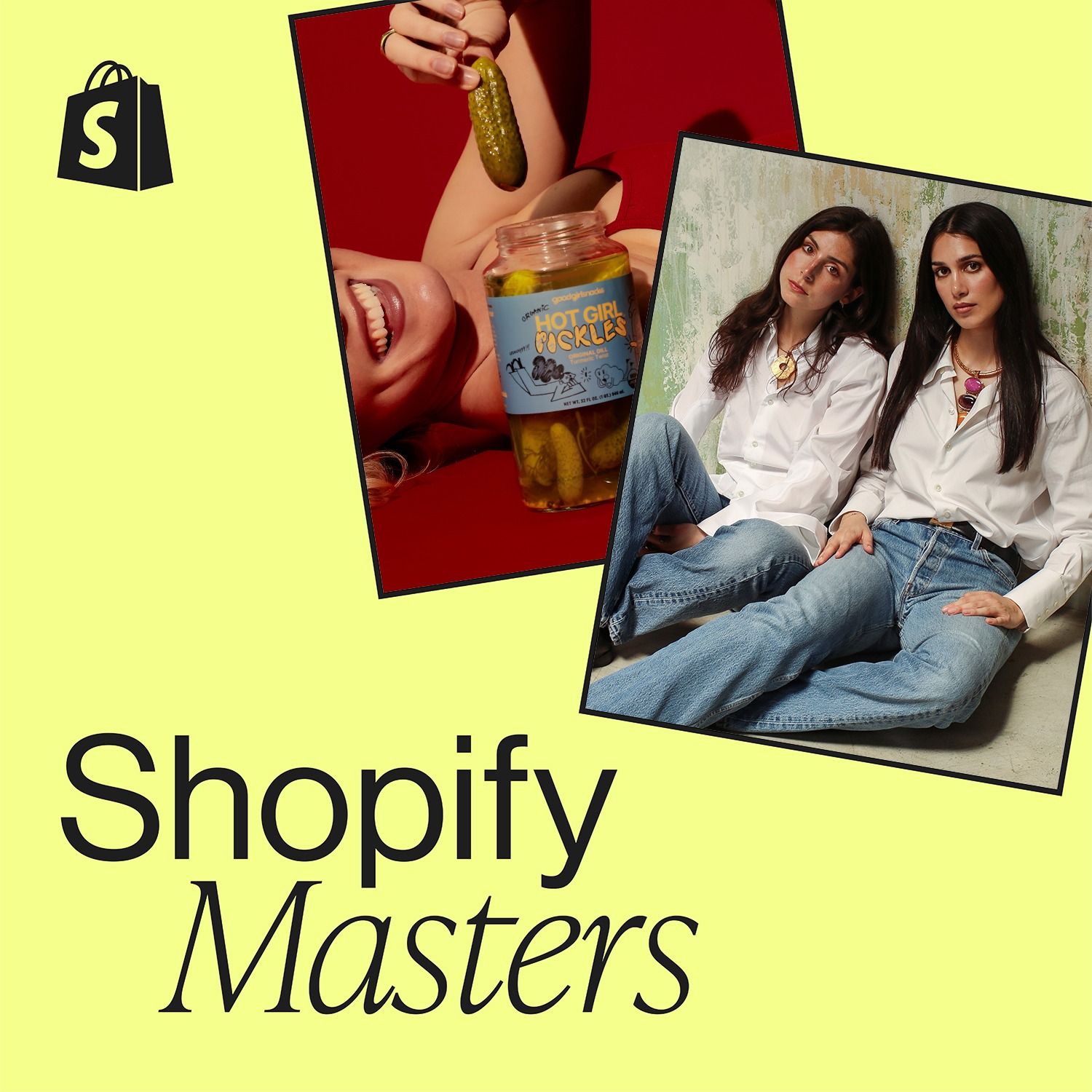
The founders identified a mismatch between the modern, Gen Z pickle consumer on TikTok and the outdated, homogenous branding on store shelves. By targeting a neglected category with bold design and unique flavors, they faced less competition and stood out to both consumers and retail buyers.
Van Leeuwen’s growth exploded after assigning a unique, solid color to each pint flavor. While individual pints look distinct, together they create a powerful 'rainbow' effect on the shelf, grabbing consumer attention far more effectively than a uniform brand design. They designed an orchestra, not a soloist.

This simple mantra is their starting point for brainstorming. They generate attention and differentiation not by improving on the status quo, but by intentionally subverting it. This creates marketing that doesn't feel like marketing and ensures their product remains unique and memorable.