Get your free personalized podcast brief
We scan new podcasts and send you the top 5 insights daily.
This simple mantra is their starting point for brainstorming. They generate attention and differentiation not by improving on the status quo, but by intentionally subverting it. This creates marketing that doesn't feel like marketing and ensures their product remains unique and memorable.

Related Insights
Founder Jesse Cole's creative engine is a simple rule: identify the standard way of doing things and then do the opposite. This ensures every idea is inherently remarkable and share-worthy, as people don't get excited about normalcy. It’s a core principle for breaking out of industry conventions.

The most effective ideas are not the most outlandish. Human psychology craves both novelty and familiarity simultaneously. Truly successful creative work, from marketing to scientific research, finds the perfect balance between being innovative and being grounded in something the audience already understands.

Companies like Nintendo and bands like Radiohead achieved longevity by pursuing their own vision, even when it contradicted what their fans wanted. This willingness to alienate the current audience is a key, albeit risky, path to true innovation and creating cult classics.

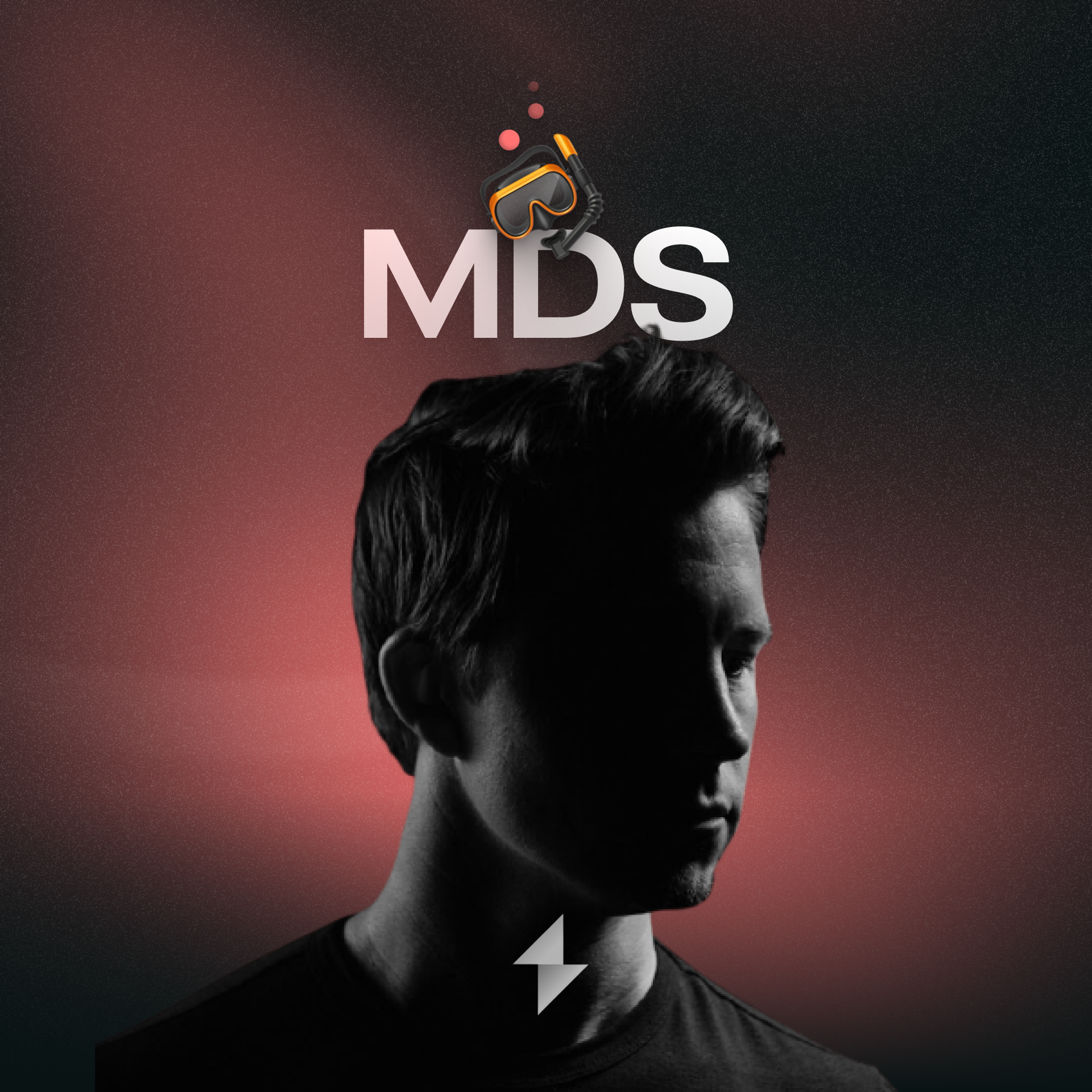
To achieve a creative breakthrough, intentionally explore concepts that are radically different from your established style. Designer MDS created versions that looked nothing like his brand to push boundaries and avoid predictable outcomes before refining his final vision.
In a crowded digital space, products and marketing with a unique, even polarizing, visual style are more likely to capture attention and be memorable than those following standard design trends. Daring to be different visually can be a powerful competitive advantage.
Conventional, consensus-driven marketing seems safe but ensures your brand never cuts through the noise. To stand out and create something differentiated, marketers must be courageous and fight against mediocrity, even if it feels riskier in the short term.

Inspired by James Dyson, Koenigsegg embraces a radical commitment to differentiation: "it has to be different, even if it's worse." This principle forces teams to abandon incremental improvements and explore entirely new paths. While counterintuitive, this approach is a powerful tool for escaping local maxima and achieving genuine breakthroughs.

A brand that tries to please everyone is memorable to no one. To build a truly strong brand, you must be willing to be disliked by some. Intentionally defining who your customer is *not* and creating polarizing content sharpens your identity, fostering a passionate community among those who love what you stand for.

Their success isn't from brilliant ideas, but from a massive volume of experiments. By trying dozens of new promotions and social media posts weekly, they accept a high failure rate to learn faster than any competitor. This contrasts with the typical corporate playbook of repeating safe, proven tactics.
The Von Restorff effect states that distinctive items are more memorable. Liquid Death analyzed the water category's conventions (alpine scenes, plastic bottles, serene branding) and broke them all with heavy metal imagery in a can. For a small brand with a minimal budget, this calculated violation of norms created massive distinctiveness and supercharged its impact.
