Get your free personalized podcast brief
We scan new podcasts and send you the top 5 insights daily.
The founders identified a mismatch between the modern, Gen Z pickle consumer on TikTok and the outdated, homogenous branding on store shelves. By targeting a neglected category with bold design and unique flavors, they faced less competition and stood out to both consumers and retail buyers.

Related Insights
Founder Eric Ryan targets categories where competitors make products unnecessarily complex or take themselves too seriously. He views this as a sign of insecurity hiding a lack of real innovation. His strategy is to simplify the product and bring a playful, more human approach to the branding.

Large companies often focus R&D on high-ticket items, neglecting smaller accessory categories. This creates a market gap for focused startups to innovate and solve specific problems that bigger players overlook, allowing them to build a defensible niche.

A market can seem established, but if existing products are visually unappealing and fail to create an emotional connection, a new entrant can win purely on branding and packaging that captures attention and meets a consumer's need state.

Despite concerns they were alienating male customers, the founders followed key advice to "double down on being niche." Focusing intently on a specific female persona allowed them to build a stronger, more intentional brand identity that ultimately created a cult following.
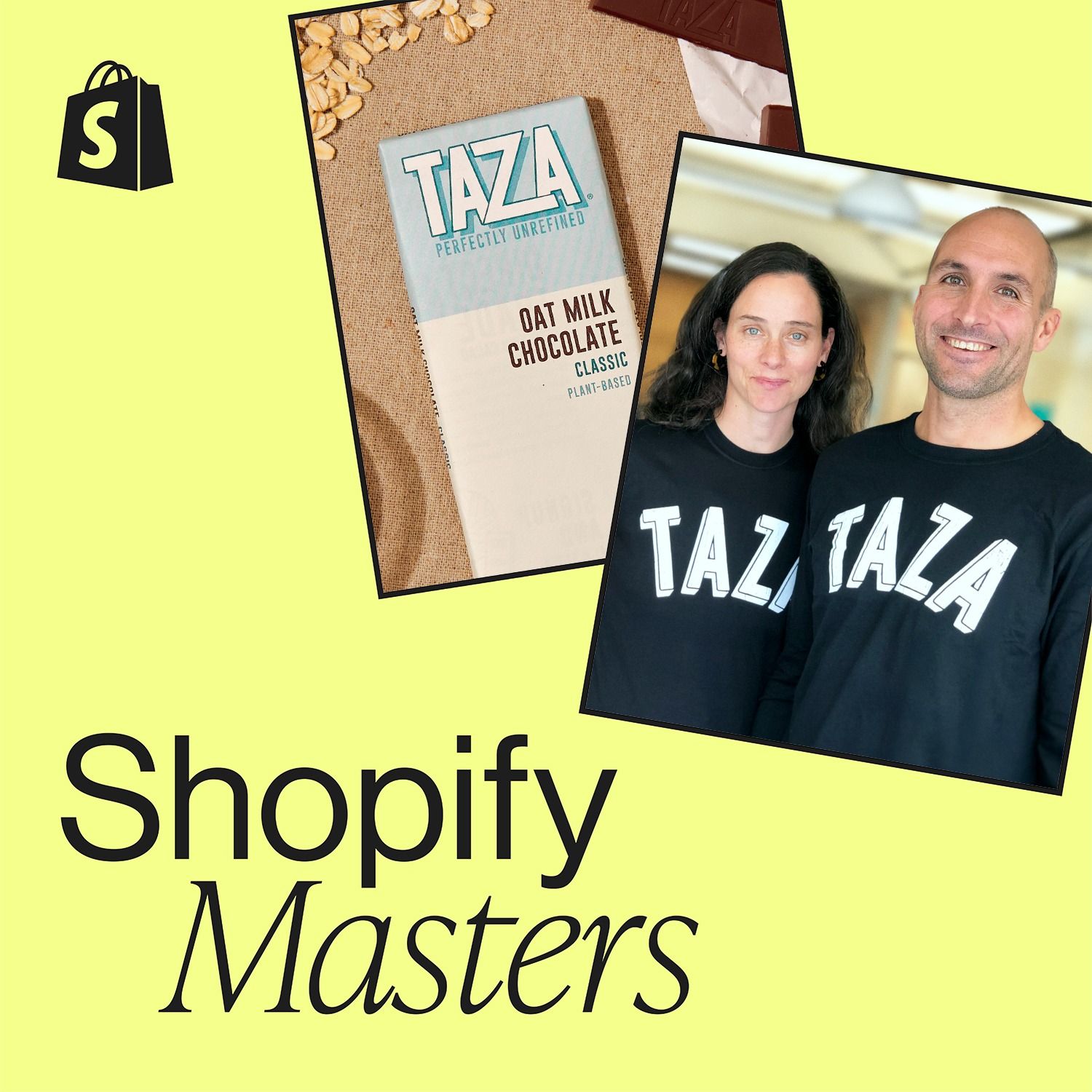
In a market dominated by corporations, Taza found a defensible niche by making a "polarizing" stone-ground chocolate. This strategy of appealing intensely to a core group, rather than pleasing the mass market, was key to their survival and success as a small business.
The founders started a TikTok series documenting their journey of quitting corporate jobs to start a pickle company months before launch. They sold their story as a "TV show," attracting a loyal following invested in them as people, not just a product.
The breakout success of Nerds Gummy Clusters came from reimagining the product's form factor. By combining the classic sandy Nerds texture with a gummy center into bite-sized clusters, they solved the messy and awkward user experience of the original, demonstrating how physical product design can drive massive growth.

A smart growth strategy is to ignore fleeting micro-trends and instead focus on proven bestsellers. By creating variations and expanding on successful designs, brands can develop entirely new product categories based on existing customer love.
The surge in pickle-flavored items reflects a broader consumer trend, particularly with Gen Z, toward provocative flavor combinations that generate viral social media content. This shift promotes foods from simple condiments to standalone experiences, driven by their potential for digital engagement.

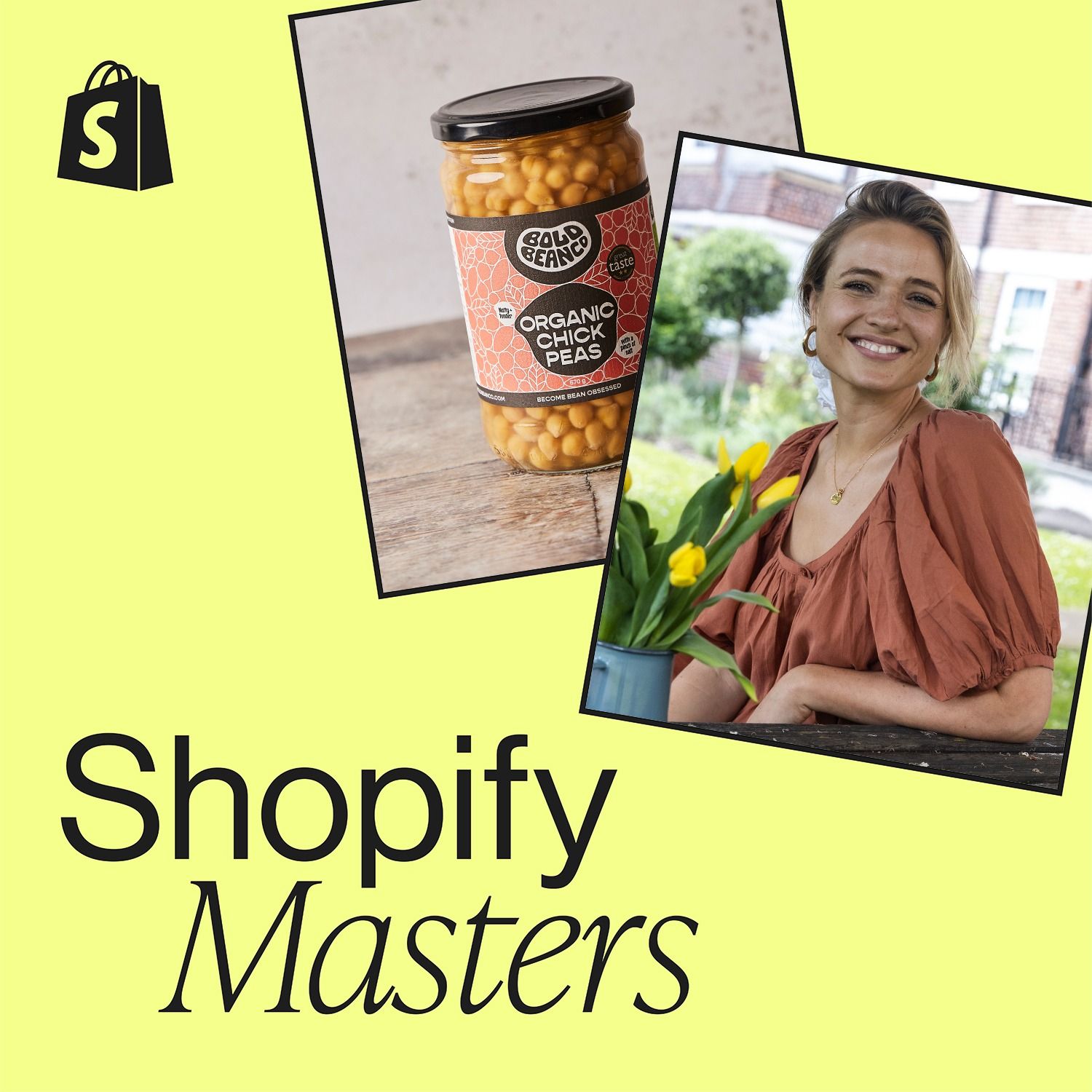
Bold Bean Co. found that creating a premium product in a "forgotten, dull" category like beans was a strategic advantage. The novelty makes consumers talk. People find it entertaining to become obsessed with beans, generating more word-of-mouth than launching yet another premium chocolate brand.