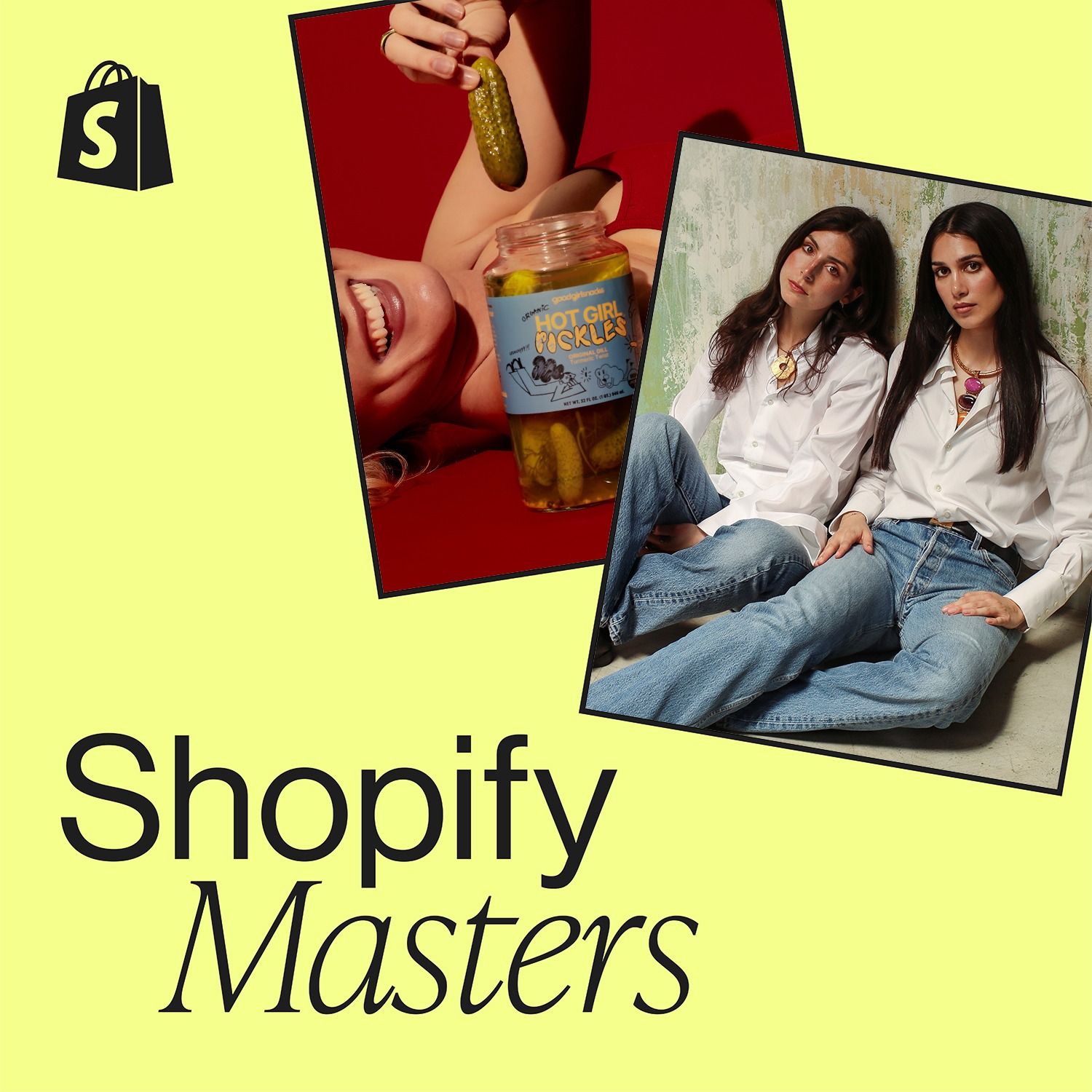
The founders started a TikTok series documenting their journey of quitting corporate jobs to start a pickle company months before launch. They sold their story as a "TV show," attracting a loyal following invested in them as people, not just a product.
Good Girl Snacks attributes its $0 CAC to the founders personally appearing in content daily. They believe in today's market this is the most effective way to maintain scrappy growth, as Gen Z consumers prefer authentic, founder-led stories over traditional ads.
Instead of hiding operational failures like 200 broken PR boxes, the founders create content about them. This authentic, "warts-and-all" approach builds community trust and often results in viral videos, turning a negative into a brand-building positive.
By asking their community to guess a new flavor for a chance to win a PR box, they accidentally created a massive database of customer requests. This user-generated feedback directly inspired new products like their garlic cumin pickle, hacking their R&D process.
The founders discovered the sound of the pickle crunch in their videos unintentionally triggers a sensory response in viewers, making them hungry and compelling them to buy the product. This shows how auditory cues in content can be a powerful, accidental sales driver.
Despite concerns they were alienating male customers, the founders followed key advice to "double down on being niche." Focusing intently on a specific female persona allowed them to build a stronger, more intentional brand identity that ultimately created a cult following.
As they face scaling challenges beyond their expertise, the founders' core hiring philosophy is to bring in people who are significantly more knowledgeable in specific areas like operations. This allows them to focus on their strengths while ensuring the business grows safely.
Lacking industry experience, the founders tapped their university network, which they note "breeds" CPG founders. Connections to other alumni founders gave them a roadmap and introductions to essential operational consultants, dramatically accelerating their go-to-market timeline.
The founders identified a mismatch between the modern, Gen Z pickle consumer on TikTok and the outdated, homogenous branding on store shelves. By targeting a neglected category with bold design and unique flavors, they faced less competition and stood out to both consumers and retail buyers.