Get your free personalized podcast brief
We scan new podcasts and send you the top 5 insights daily.
In crowded retail, packaging is the primary salesperson. Brands like RXBAR won by clearly stating value props (macros, simple ingredients) on the front. A new brand must do the same, highlighting key benefits like "slow burning energy" or "clean carbs" to capture attention instantly.

Related Insights
The Diet vs. Zero soda battle demonstrates that for quick, everyday purchases, consumers rely on surface-level cues. The branding and associated identity ("scarcity" vs "wellness") drive decisions more than the product's actual composition, which is often nearly identical. The label effectively becomes the product.

A market can seem established, but if existing products are visually unappealing and fail to create an emotional connection, a new entrant can win purely on branding and packaging that captures attention and meets a consumer's need state.

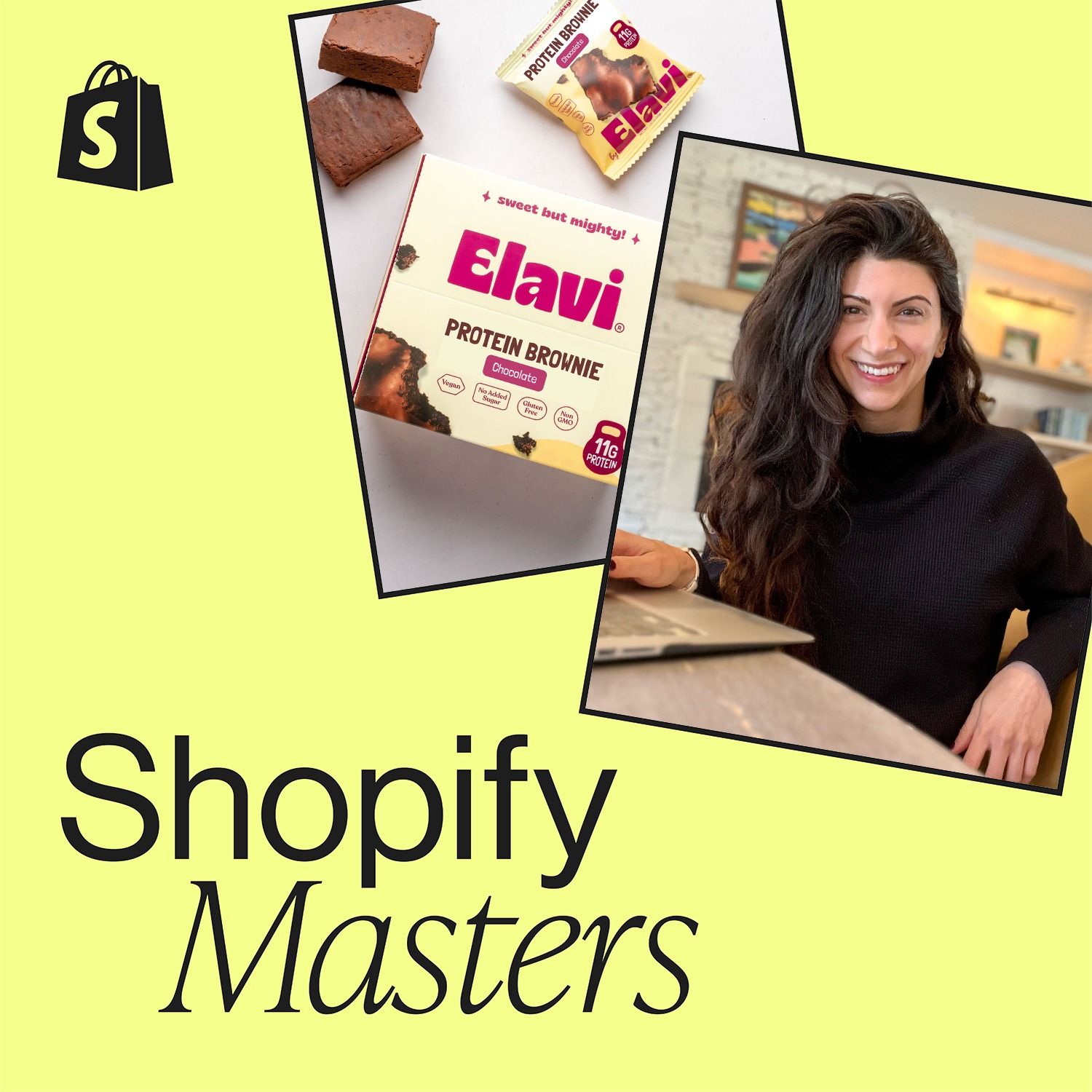
Alave made a bold packaging decision: making the product type (“Protein Brownie”) the main focus, not the brand logo. They gambled that in the split-second a customer looks at a shelf, clearly communicating *what* the product is proves more effective for a new brand than establishing *who* they are. The strategy crushed.
Initially using a standard carton, Matt O'Hayer was inspired by Stonyfield's founder, who pointed out the egg carton was a "big piece of real estate." This insight prompted Vital Farms to redesign its packaging into a piece of art that tells a story, turning a disposable container into their most powerful tool for capturing attention and driving trial purchases.
A successful brand 'wedge' isn't a mission statement like 'better ingredients.' It’s a specific, tangible reason—a unique ingredient, a novel form factor—that makes a customer choose you over 47 other options. If you can't state it in a single sentence, you don't have one.

Consumers are trained by food packaging to look for simple, bold 'macros' (e.g., '7g Protein,' 'Gluten-Free'). Applying this concept to non-food items by clearly stating key attributes ('Chemical-Free,' 'Plant-Based') on the packaging can rapidly educate consumers at the point of purchase and differentiate the product.
Founder Jim Cregan's core philosophy is that a product's success hinges on three elements working in perfect harmony: branding (what it says), packaging (how it feels), and ingredients (how it tastes). If one of these pillars is weak, the entire product fails.
For brands with a retail presence, the product packaging itself is a powerful and underutilized billboard. By adding a QR code with an incentive, you can convert in-store purchasers into owned D2C customers, bridging the physical and digital channels.
With a two-inch-high bottle, The Turmeric Co. found it 'absolutely impossible' to communicate its unique value proposition on the label in a retail setting. This forces small-format brands to rely heavily on pre-built brand recall and in-store marketing like aisle fins to drive trial.

To combat the perception of being overly processed, WK Kellogg highlights the simplicity of its products. By marketing that Frosted Flakes has just four natural ingredients, the brand reframes itself to appeal to modern consumers seeking clean labels and transparency.
