Founders are naturally dreamers, but execution requires ruthless prioritizing. The most critical, and difficult, role is saying 'no' to shiny objects and good ideas to maintain focus. This clarity is more important than simply working long hours.
Feeling drained often comes from absorbing countless other people's lives, energies, and accomplishments online, not from the rigor of your own work. Disconnecting from social media is essential for creating the mental space required for strategic breakthroughs.
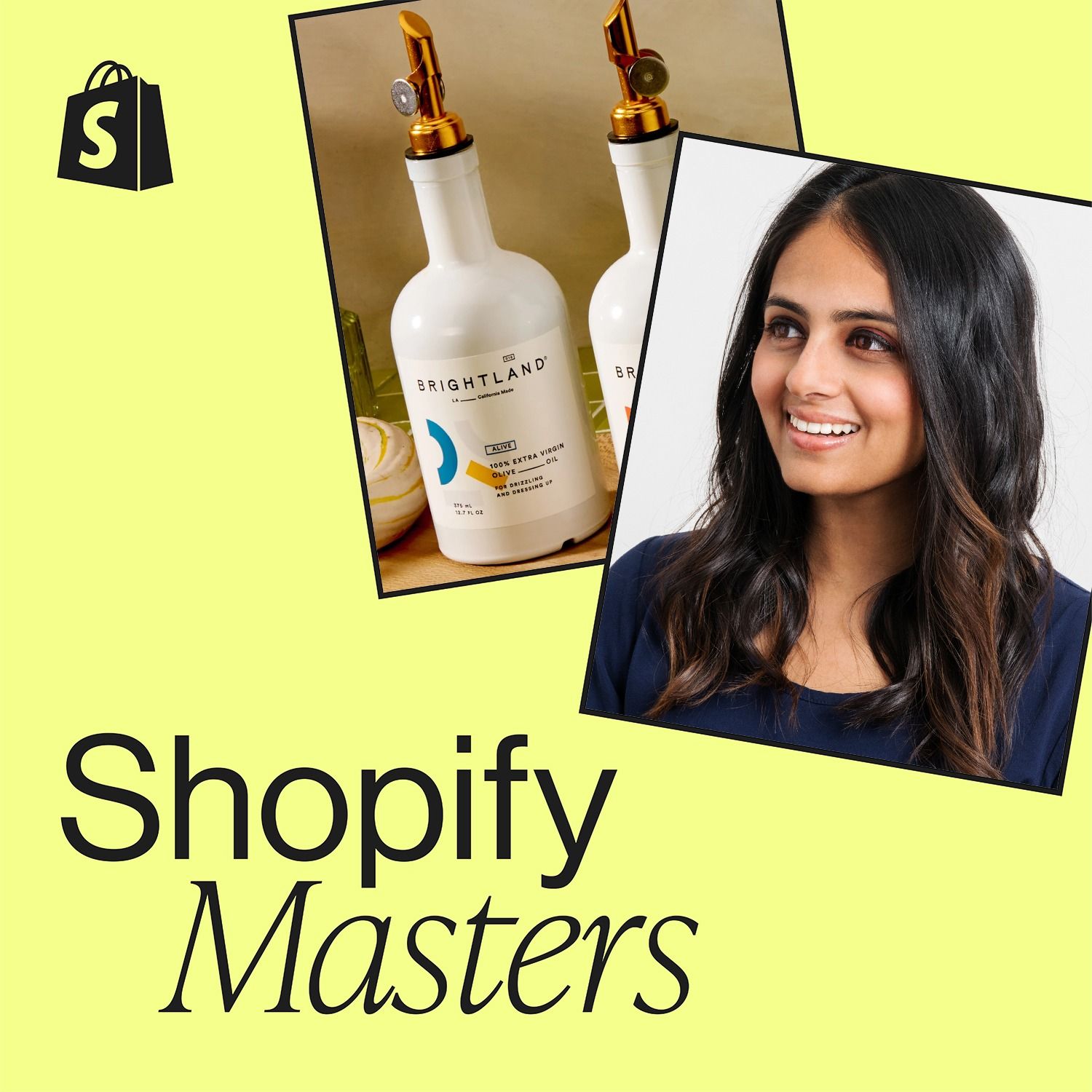
Resist the allure of early, large-scale retail offers. Brightland deliberately delayed partnerships with national retailers until their supply chain was prepared. The founder must also personally become an expert in the complexities of retail; it cannot be fully delegated.
Even in an industry ripe with fraud, using fear-mongering as a marketing tactic is a shortsighted strategy. Iconic brands like Patagonia focus on 'world building' and staying in their own lane, which fosters greater long-term admiration and trust.
A successful partnership requires more than audience alignment. First, ensure there is genuine, mutual enthusiasm from both teams. Second, confirm the collaboration fits into a predefined strategic bucket, such as 'artistry' or 'flavor,' to maintain brand consistency.
When at a crossroads (e.g., raise another round vs. sell), instead of a pro/con list, ask 'Which life experience do I want to have?' This reframes the decision away from a single right/wrong outcome and toward a collection of personal growth journeys.
The belief that you aren't 'smart enough' to be an entrepreneur can be dismantled by seeing successful founders admit they started with no idea what they were doing. Their audacity and 'why not me?' attitude can be the permission you need to begin.
Early-stage success is built on hands-on, unglamorous work. Brightland's founder validated her product not with expensive focus groups, but by personally hosting olive oil tastings for 50 friends in her apartment. This direct, scrappy feedback is irreplaceable.
A founder's role isn't a linear progression away from the details. While you must step back to empower a team, you also need to periodically dive back into 'founder mode'—obsessively focusing on details—to stay connected and guide the company.
To create a product that stands out, look for design cues outside of your immediate industry. Brightland’s team studies jewelry and footwear stores to understand emerging colors and styles, avoiding the echo chamber of their own category and online 'AI slop'.
Expecting a company to provide fulfillment or fix personal insecurities is a recipe for misery. A startup acts as a mirror, accelerating self-confrontation and forcing you to address what you are lacking internally. External validation is fleeting and insufficient.