Get your free personalized podcast brief
We scan new podcasts and send you the top 5 insights daily.
The key inflection point for Justin's Nut Butter wasn't its recipe but its introduction of single-serve pouches. This format innovation unlocked new use cases (hiking, biking), highlighting that packaging and delivery can be more impactful than the core product itself.

Related Insights
Graza's success with a squeeze bottle was quickly copied, proving that a non-patentable innovation gives only a temporary lead. For consumer brands, the only sustainable defense against copycats is to constantly introduce new formats and features to stay ahead.

Fruitist achieved a $1 billion valuation by transforming the blueberry from a supporting ingredient into a standalone snack or meal replacement. By engineering a jumbo-sized, consistent product, they created a new product category and unlocked premium pricing.

Adopting a unique, complex, and more expensive packaging format (the "Bottle Can") required a three-year mission to bring to market. This difficulty created a competitive advantage that competitors couldn't easily replicate, ultimately doubling the rate of sale.

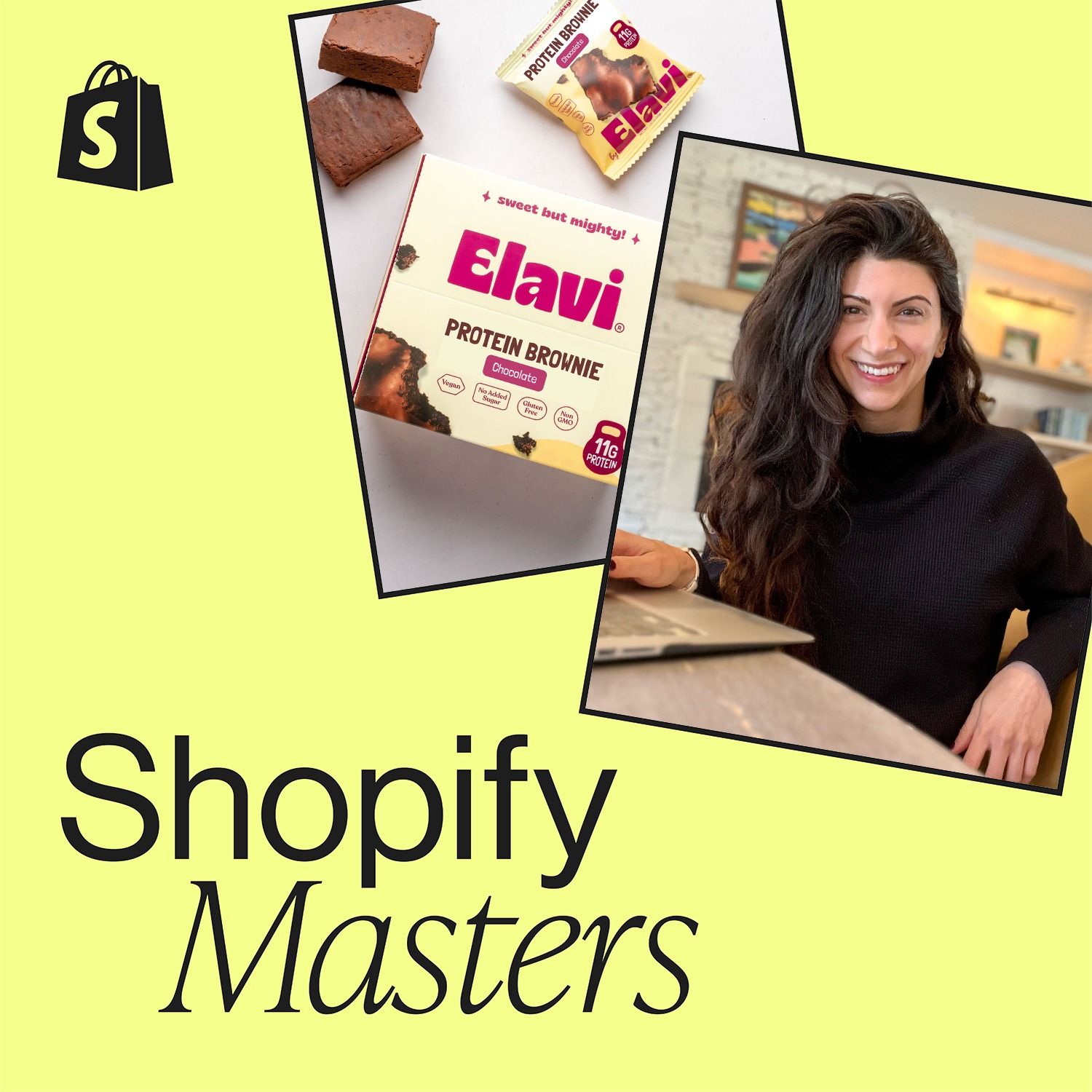
Alave made a bold packaging decision: making the product type (“Protein Brownie”) the main focus, not the brand logo. They gambled that in the split-second a customer looks at a shelf, clearly communicating *what* the product is proves more effective for a new brand than establishing *who* they are. The strategy crushed.
Initially using a standard carton, Matt O'Hayer was inspired by Stonyfield's founder, who pointed out the egg carton was a "big piece of real estate." This insight prompted Vital Farms to redesign its packaging into a piece of art that tells a story, turning a disposable container into their most powerful tool for capturing attention and driving trial purchases.
In crowded retail, packaging is the primary salesperson. Brands like RXBAR won by clearly stating value props (macros, simple ingredients) on the front. A new brand must do the same, highlighting key benefits like "slow burning energy" or "clean carbs" to capture attention instantly.
Fairlife's use of ultra-pasteurization and aseptic packaging creates a shelf-stable product that doesn't require refrigeration before opening. This key innovation overcame milk's traditional logistical hurdles, enabling a game-changing distribution partnership with Coca-Cola's vast, non-refrigerated network.

The breakout success of Nerds Gummy Clusters came from reimagining the product's form factor. By combining the classic sandy Nerds texture with a gummy center into bite-sized clusters, they solved the messy and awkward user experience of the original, demonstrating how physical product design can drive massive growth.

The company's breakthrough, and its highest-grossing business segment, was the Cupcake ATM. This highlights that revolutionary growth can come from innovating on product access and delivery, rather than just the core product itself.
Unlike supplements sold as powders or pills, Groons' gummy bear form factor is socially acceptable and easy to share. This turns customers into distributors of free samples for their friends, creating a powerful, low-cost marketing and growth engine.
