Get your free personalized podcast brief
We scan new podcasts and send you the top 5 insights daily.
The breakout success of Nerds Gummy Clusters came from reimagining the product's form factor. By combining the classic sandy Nerds texture with a gummy center into bite-sized clusters, they solved the messy and awkward user experience of the original, demonstrating how physical product design can drive massive growth.

Related Insights
Fruitist achieved a $1 billion valuation by transforming the blueberry from a supporting ingredient into a standalone snack or meal replacement. By engineering a jumbo-sized, consistent product, they created a new product category and unlocked premium pricing.

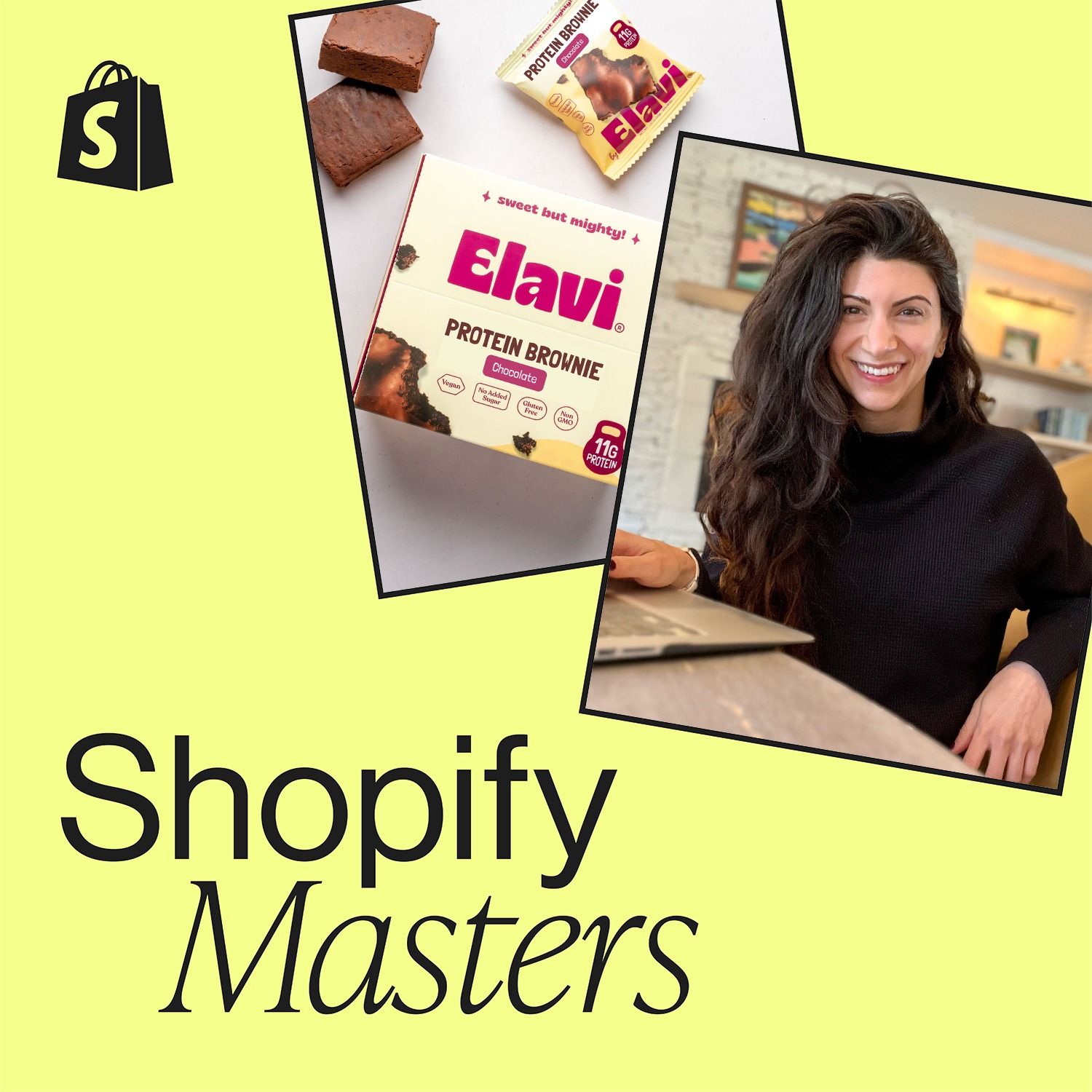
Alave made a bold packaging decision: making the product type (“Protein Brownie”) the main focus, not the brand logo. They gambled that in the split-second a customer looks at a shelf, clearly communicating *what* the product is proves more effective for a new brand than establishing *who* they are. The strategy crushed.
The founder of Billy Bob's Teeth, a gag gift, reframed his product as a "permission slip for people to be silly." This strategy gives a trivial product a deeper, more compelling purpose by connecting it to a fundamental human desire. This elevates the brand and makes the product more than just a novelty item.

A study found that ambient noise significantly slows cognitive development. This insight can be used to rebrand a commodity like earplugs. By positioning them as "Study Ears"—a tool for better memory and focus, not just noise blocking—you can create an entirely new product category with strong marketing hooks.
The team initially saw the large digital game board as the main feature. They later realized the unique, tangible game pieces were the most compelling differentiator from tablets or consoles and pivoted the entire marketing strategy to feature them front and center.

De Soi's initial abstract product names (e.g., "Champignon Dreams") were polarizing and confusing. Switching to familiar cocktail names like "Mule" and "Margarita" made the products easier for consumers to understand and purchase, leading to a 2x increase in sales for the new line.

Inde Wild successfully modernized the traditional Indian hair oiling ritual ('chumpy'), making it appealing to a new generation. This strategy of taking a familiar, nostalgic concept and repackaging it with a modern, 'cool' aesthetic resonates deeply with young consumers who are buying into reimagined versions of old traditions.

The meat snack category is traditionally masculine. Chomps followed suit until data revealed their "healthy achiever" customer was predominantly female. This insight prompted a total rebrand, shifting from a generic "cow brand" logo to a more fun, approachable identity that resonated and unlocked growth.

Instead of reformulating its classic pecan log roll, Stuckey's should reframe it for a modern audience. By calling it "America's first protein bar," it connects the product's inherent, historical quality (pecans as a protein source) to the current consumer focus on plant-based protein, making it relevant without changing the recipe.

LoveSack operated successfully for years based on product instinct alone. However, transformational growth occurred only after the company intentionally defined its core brand philosophy—'Designed for Life'—and then amplified that clear message with advertising. This shows that a well-defined brand story is a powerful, distinct growth lever, separate from initial product-market fit.