Get your free personalized podcast brief
We scan new podcasts and send you the top 5 insights daily.
Fairlife's use of ultra-pasteurization and aseptic packaging creates a shelf-stable product that doesn't require refrigeration before opening. This key innovation overcame milk's traditional logistical hurdles, enabling a game-changing distribution partnership with Coca-Cola's vast, non-refrigerated network.

Related Insights
Copycats are inevitable for successful CPG products. The best defense isn't intellectual property, but rapid execution by a team that has 'done it before.' Building a diverse distribution footprint and a strong brand quickly makes it harder for competitors to catch up.

Coca-Cola gave away bottling rights for free in a perpetual contract. This seemingly terrible deal offloaded capital expenditure and operational complexity, enabling rapid, asset-light scaling through a franchised network of local entrepreneurs who built the distribution system.
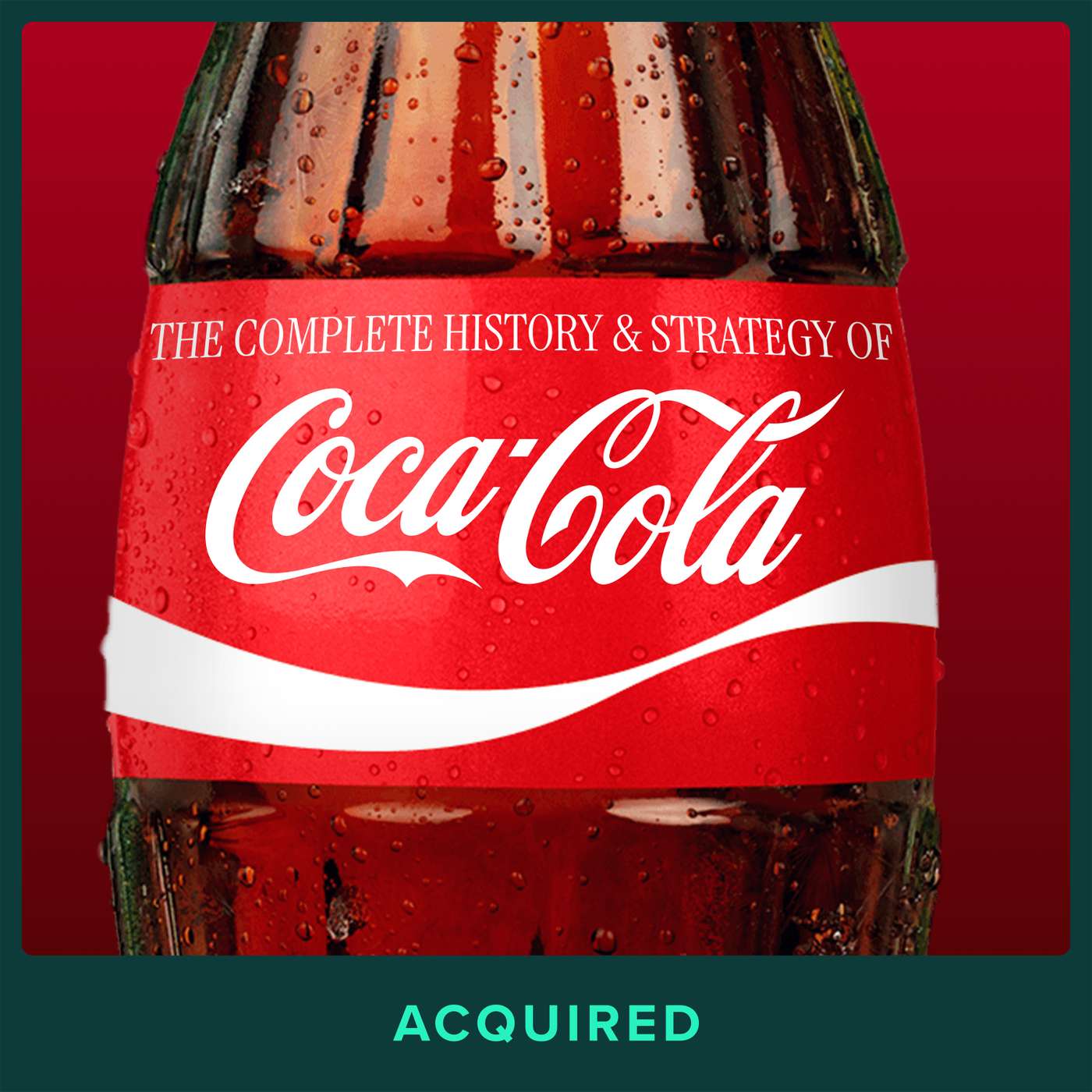
Coca-Cola's relationship with McDonald's became a powerful symbiotic partnership. Coke helped McDonald's expand globally by providing office space and local relationships. In return, Coke received a massive, loyal sales channel with preferential treatment, demonstrating how deep partnerships create value far beyond simple transactions.
The bottling contract fixed Coke's price at a nickel. While a long-term liability, during the Depression this became a powerful weapon. Coke's massive scale allowed it to remain profitable at that price point, while smaller competitors with higher costs were crushed, unable to compete with a superior, cheaper product.
Before launching, assess a product's viability by the sheer number of potential distribution points. Manufacturing and logistics are solvable problems if the market access is vast. This reverses the typical product-first approach by prioritizing market penetration from day one.
Instead of fearing beverage giants like Coca-Cola entering the functional soda space, Olipop's founder views it as a positive development. He sees their entry as an "honor" that provides massive validation for the category he created, proving its potential and longevity to the broader market.
Coca-Cola's first-ever manufacturer's coupon did more than attract customers. It drove foot traffic for retailers, making them eager partners, and gave independent salesmen a free value-add for their own customers, creating a powerful, multi-sided growth engine.
The podcast argues that Coca-Cola's "secret formula" holds little value today; a competitor couldn't replicate the brand or distribution even if they had it. The true cornered resource is the global network of exclusive, loyal, and efficient bottling partners—a proprietary distribution system that is nearly impossible to replicate.
Hamdi Ulukaya attributes Chobani's success in scaling without sacrificing product quality to his extreme operational commitment. For years, he rarely left the factory floor, ensuring standards were met firsthand. This underscores the value of deep, physical immersion for leaders in manufacturing and operations.
Coca-Cola leveraged WWII to achieve global expansion at an unprecedented speed and scale. By positioning itself as essential for troop morale, the company gained government support to build bottling plants alongside the military, effectively opening markets that would have taken decades and millions of dollars to penetrate.