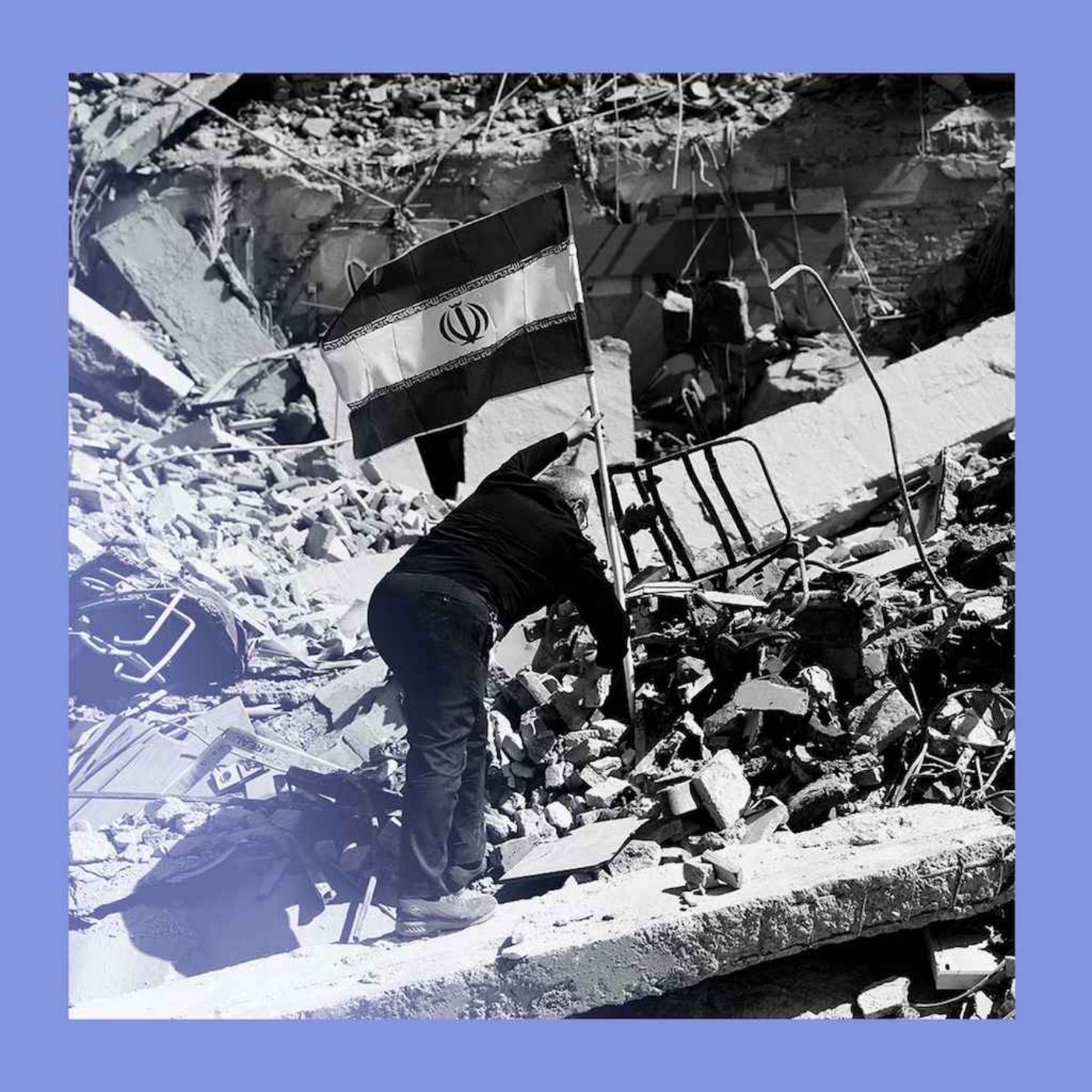
Despite overwhelming military force, the US lacks a clear, singular objective in its war with Iran. With at least five distinct goals—from targeting nuclear and missile programs to regime change and settling historical scores—it's unclear what constitutes victory, making the application of force dangerously unfocused.
The conflict reveals a critical vulnerability: nations burn through advanced interceptor missiles at a rate that vastly outpaces annual production. Firing two interceptors per incoming missile means that even well-stocked Gulf states could exhaust their pre-war supplies in days, exposing a major bottleneck in the defense supply chain.
The bombing campaign, aimed at regime change, could be counterproductive. Prior to the conflict, Iran's regime was seen as unpopular and frail, potentially heading for collapse or moderation. The external attack risks creating a rally-round-the-flag effect, allowing the regime to consolidate power where mere survival becomes a victory.
An unintended consequence of the conflict could be the ethnic fragmentation of Iran. With only 60% of the population being Persian, the external pressure and internal chaos could cause the country to disintegrate into ethnic conflict and civil war, creating a far greater humanitarian and geopolitical crisis.
Contrary to common assumptions, the Gulf Cooperation Council (GCC) states have a higher density of advanced air defense systems, like Patriot and THAAD, than European NATO members on a per capita and per-kilometer basis. This highlights a significant shift in regional military investment and preparedness away from traditional Western powers.
A regional conflict like the one in Iran has immediate global consequences for military readiness. The massive expenditure of interceptor missiles will create a supply crunch for US forces in other strategic areas like the Pacific and for allies like Ukraine, as production cannot keep up with wartime demand.