Get your free personalized podcast brief
We scan new podcasts and send you the top 5 insights daily.
The Islamic regime's support base is limited to an aging demographic that participated in or benefited from the 1979 revolution. The country's overwhelmingly young population, a result of a post-revolution population boom, bears the brunt of the regime's failures and is staunchly opposed to it.

Related Insights
Contrary to the typical anti-war sentiment in the West, anecdotal evidence suggests that an overwhelming majority of Iranians who oppose the regime—perhaps 80% or more—would welcome outside help. They feel abandoned after the US promised support for protesters, making them receptive to foreign intervention.

The Islamic Revolutionary Guard Corps (IRGC) has eclipsed the clergy, controlling major political and economic institutions. Ayatollah Khamenei maintains power through a symbiotic relationship with the IRGC, leveraging their military and economic might, rather than just religious authority.

Iran is at a critical inflection point as its aging and ill Supreme Leader, Ayatollah Khamenei, has no clear successor. The constitutional requirements for the role were tailored specifically for his predecessor, Khomeini. With no one in the wings who meets the criteria, the country faces significant instability upon his death.

Young Iranians, with no memory of the Shah's era, embrace a romanticized vision of pre-1979 Iran's social freedoms and global standing. This nostalgia, combined with the regime's suppression of internal leaders, has elevated Reza Pahlavi as a symbolic, default leader for a nationalist reclamation.
The intense violence from Iran's regime has eliminated political middle ground. The conflict is increasingly framed as a binary choice between the current Islamic Republic and a restored monarchy, marginalizing moderate voices who advocate for a democratic republic.
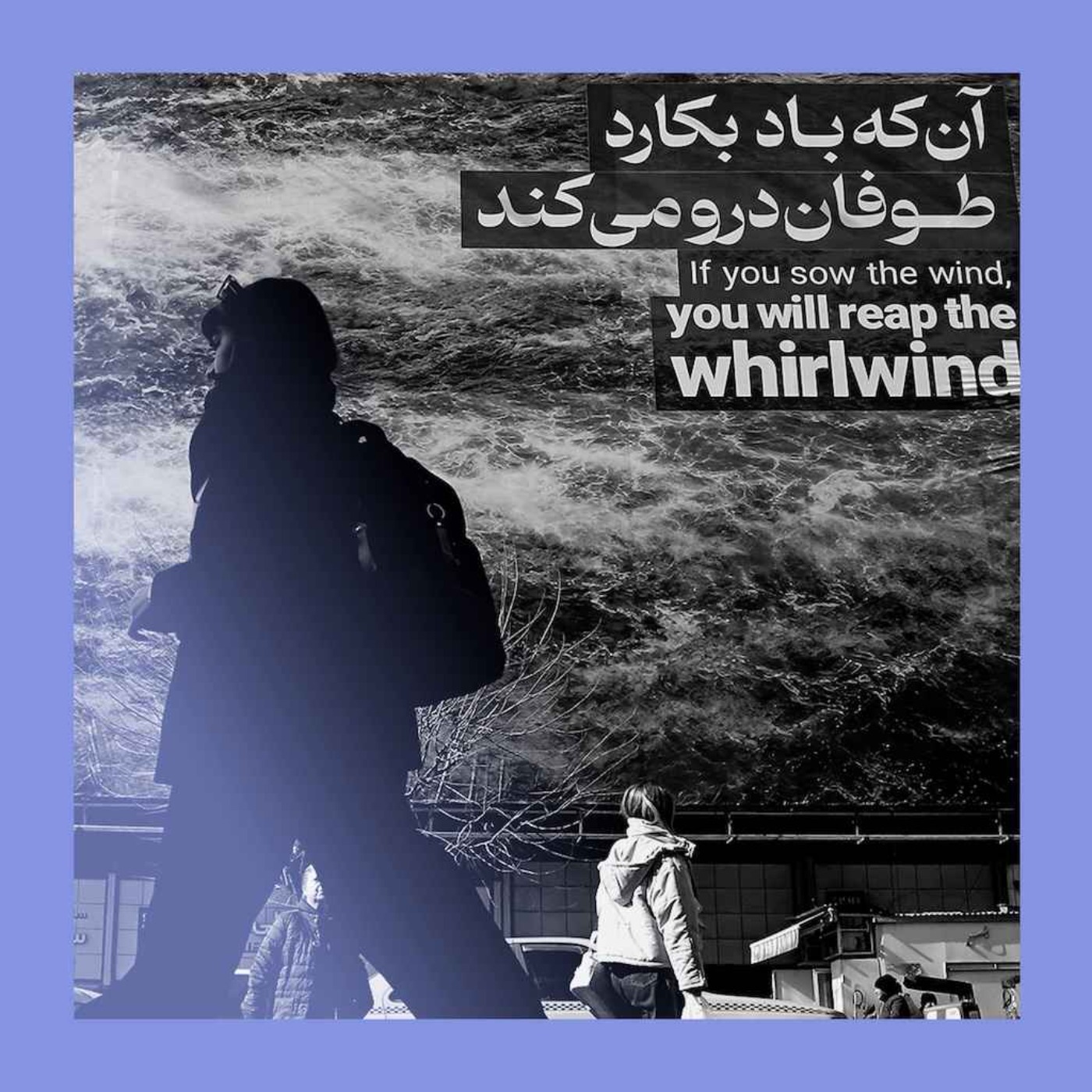
The ruling elite has inverted from 80% ideologues at the revolution's start to 80% charlatans today. Expedience and financial gain, not revolutionary zeal, now bind the regime's core. This ideological hollowness makes the regime more brittle than its rhetoric suggests.
With its credibility destroyed by bloodshed, the Iranian regime's only remaining leverage over some citizens is the fear of a chaotic power vacuum. The prospect of a full-blown civil war may convince some to tolerate the current oppression over the alternative of total state collapse.
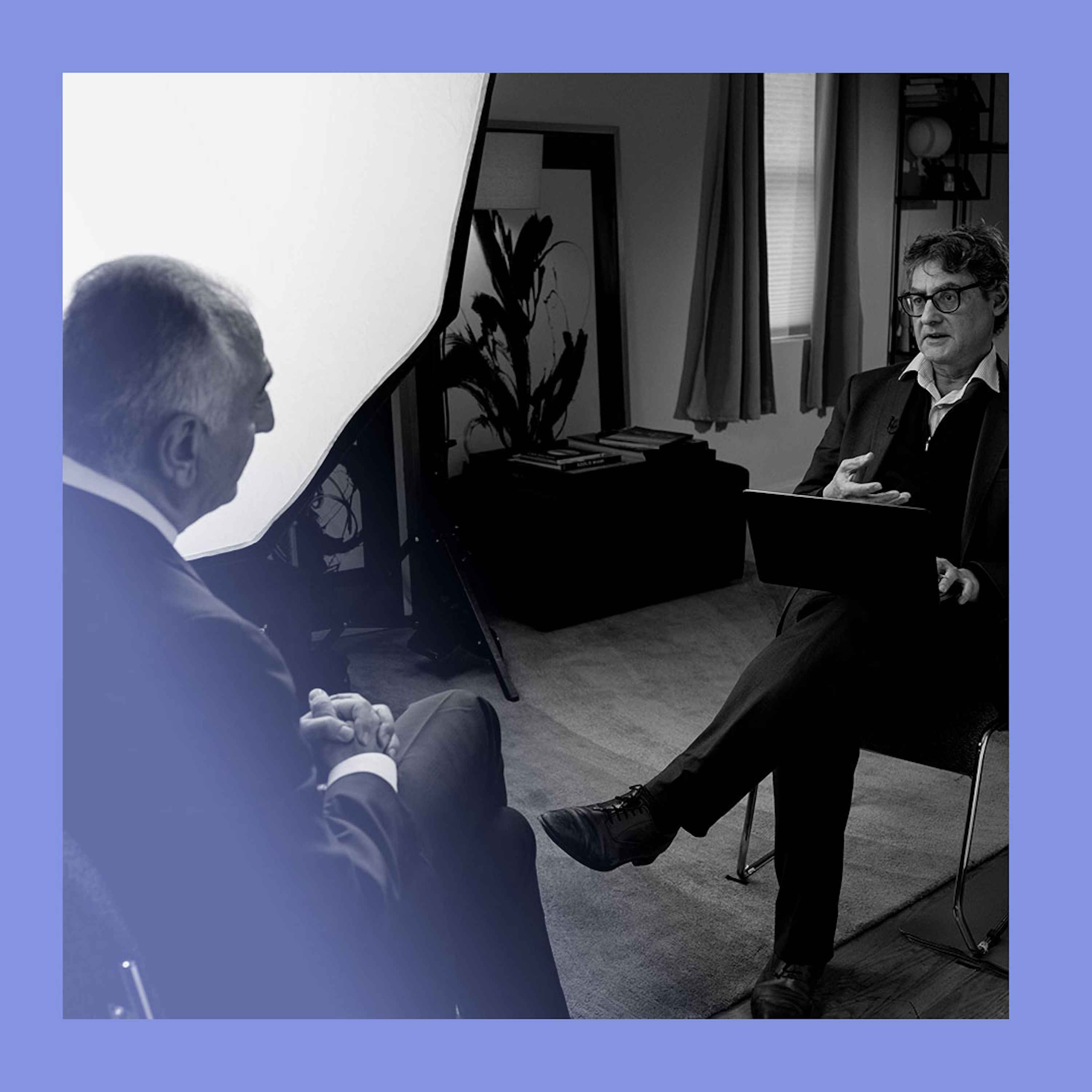
The Iranian populace is exhausted with theocratic rule after five decades. Any future authoritarian leader will likely be a product of the intelligence or security services, appealing to nationalism rather than revolutionary ideology. The era of the turban-wearing ruler is over.
Unlike the 2022 protests led by middle-class women over social freedoms, the current unrest is driven by jobless young men—a traditionally pro-regime group—angry about economic collapse. This shift in demographics and motivation makes the government's usual appeasement tactics less effective.
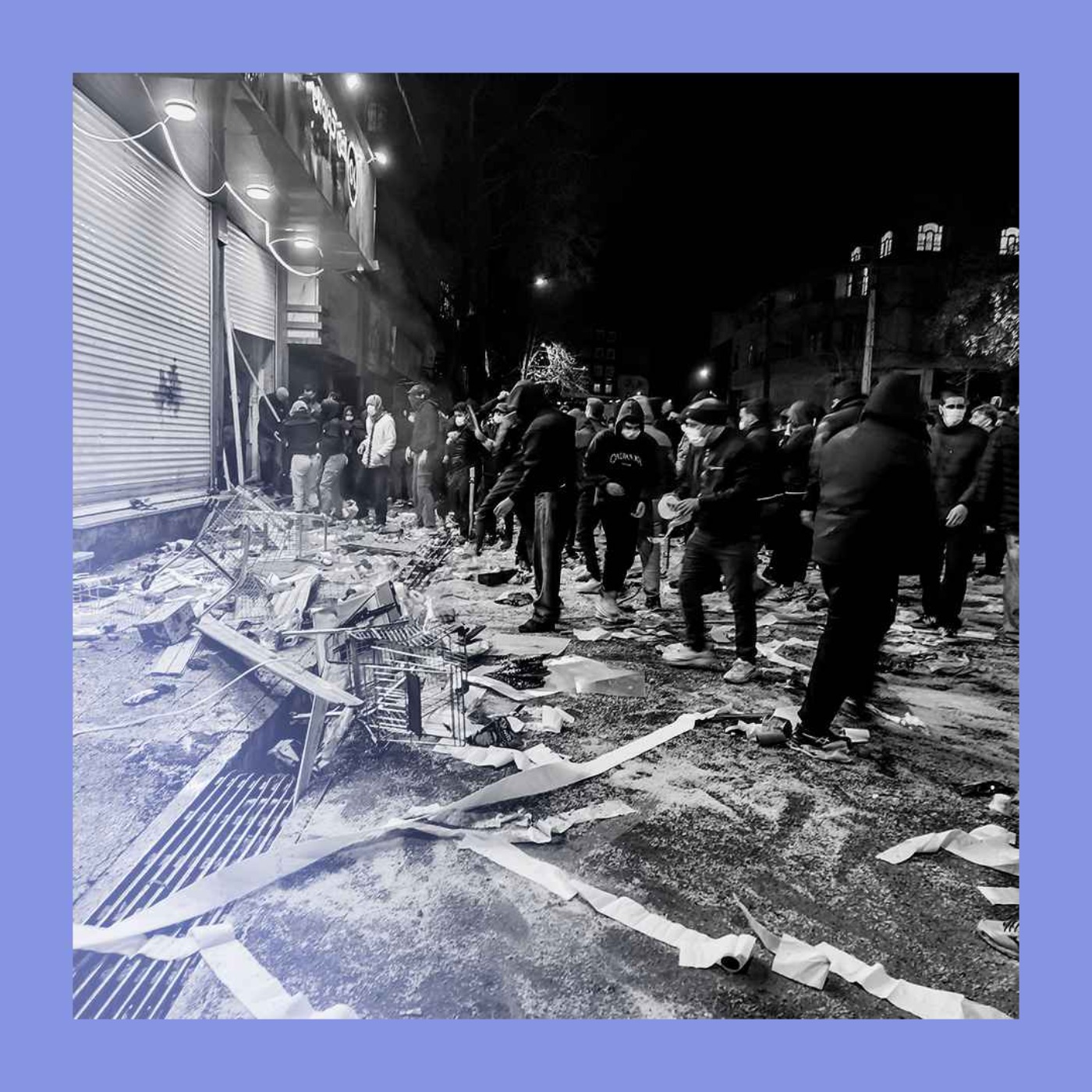
The 47-year rule of the Islamic Republic has had a paradoxical effect. The oppressive theocracy has led to a population that is now arguably the most secular in the Middle East and, despite its anti-American government, one of the most pro-American populations in the region, desperate to separate mosque and state.