Get your free personalized podcast brief
We scan new podcasts and send you the top 5 insights daily.
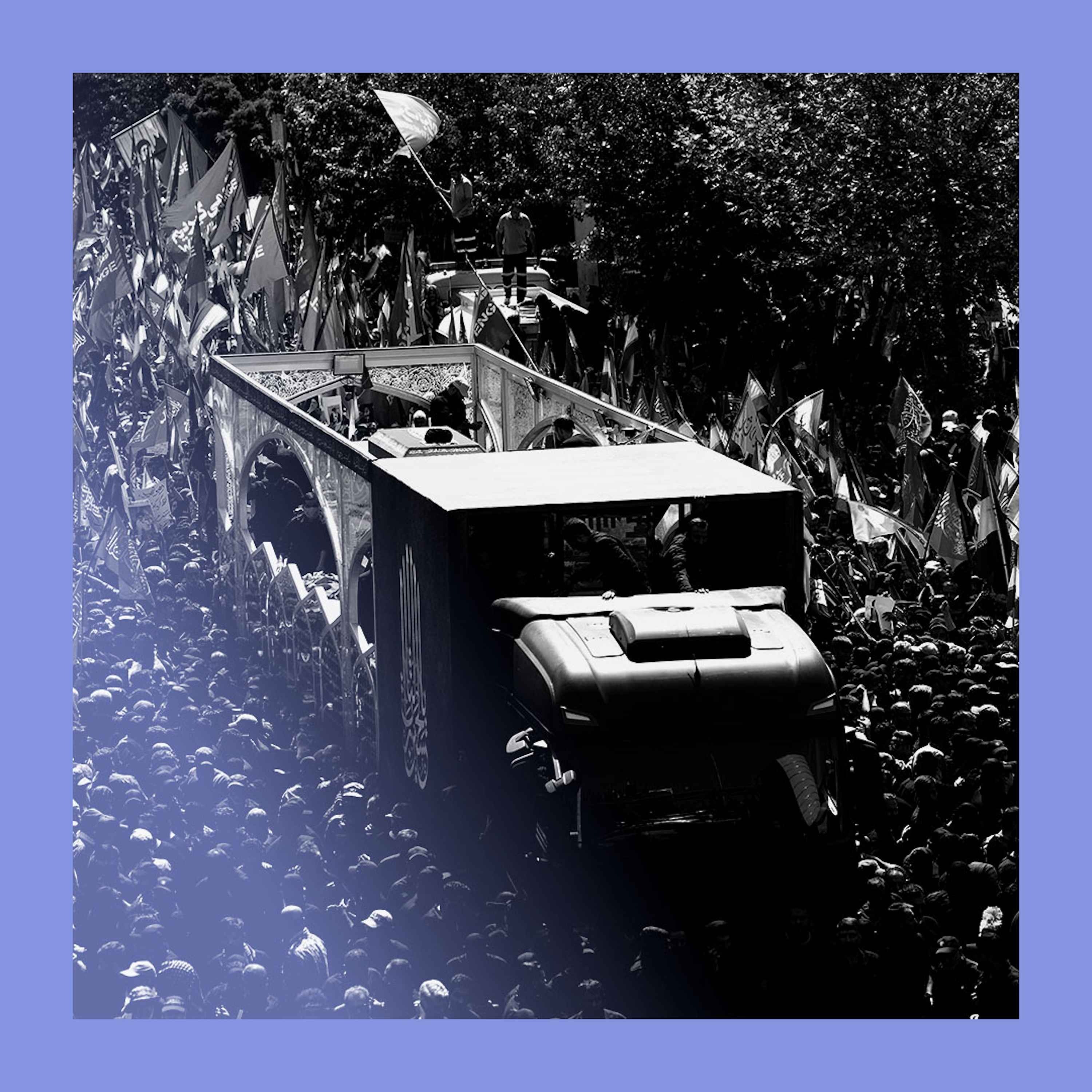
The multi-day funeral procession for Ayatollah Khamenei is not just a domestic event. By routing the coffin through Iraq before its final burial in Iran, the regime is deliberately staging a public demonstration of its geopolitical reach and influence across the region, showcasing its network of allies.
Related Insights
The US raid to capture Venezuela's president has sparked talk within Iran's elite about a similar "solution": removing Supreme Leader Khamenei to appease protestors and preserve the system, rather than allowing it to collapse entirely under external and internal pressure.
The IRGC increasingly wields the true power in Iran, while the Supreme Leader's role is becoming more symbolic. He serves as a "sacred totem" and a "lightning rod for criticism" but is ultimately a facilitator of IRGC influence rather than a check on its power.

The Islamic Revolutionary Guard Corps (IRGC) has eclipsed the clergy, controlling major political and economic institutions. Ayatollah Khamenei maintains power through a symbiotic relationship with the IRGC, leveraging their military and economic might, rather than just religious authority.
Iran is at a critical inflection point as its aging and ill Supreme Leader, Ayatollah Khamenei, has no clear successor. The constitutional requirements for the role were tailored specifically for his predecessor, Khomeini. With no one in the wings who meets the criteria, the country faces significant instability upon his death.

The Islamic Revolutionary Guard Corps (IRGC), Iran's most powerful institution, is the true kingmaker. A Supreme Leader without the IRGC's backing is effectively powerless, regardless of constitutional or religious standing. This makes any assassination of the leader a less effective strategy for regime change.
Iran is transitioning into a 'Third Islamic Republic,' a phase where the military and security bureaucracy, not the clerics, hold dominant power. This shift marks a state where the military elite controls political and economic levers, bringing Ayatollah Khamenei's long-term project to fruition.
Despite a long history of documented terrorism, Iran has successfully manipulated global opinion by consistently erasing its past crimes from public memory. This allows the regime to present itself as a blank slate or a victim, entering diplomatic negotiations from a position of perceived innocence.

Despite losing key leaders, including the newly named Supreme Leader, Iran's state apparatus continued to function effectively. This resilience demonstrated a 'well-oiled machine' not dependent on specific individuals, a structure underestimated by US strategists.
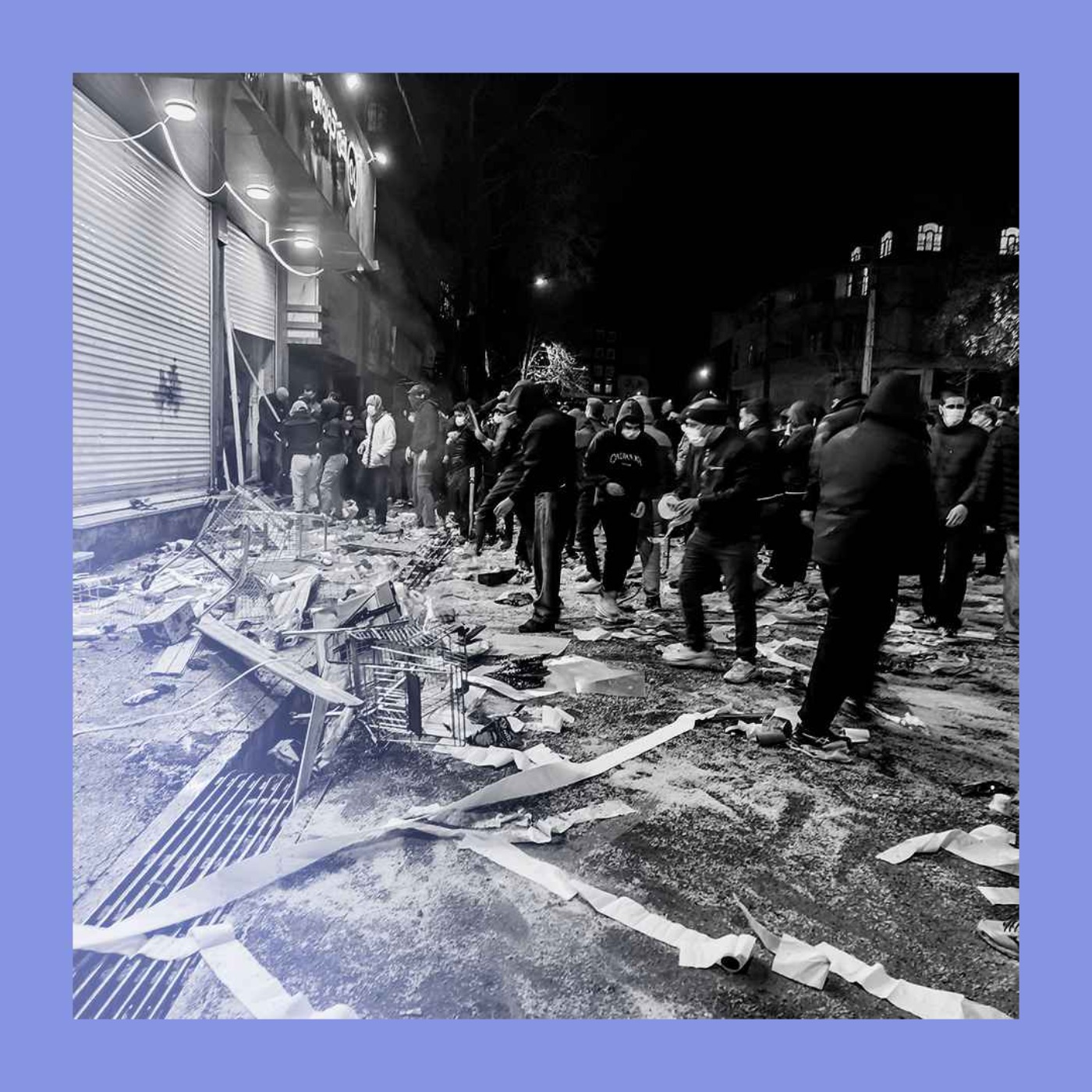
The current Iranian protests are uniquely potent because the regime is at its weakest geopolitically. The loss of regional proxies like Hezbollah and Hamas, coupled with key ally Russia's preoccupation with Ukraine, has left the Iranian government more isolated and vulnerable than during any previous wave of unrest.

The new Supreme Leader, Mushtaba Khamenei, has been unseen since his appointment. His failure to lead his father's funeral prayers, a key religious duty, is raising significant questions within Iran about who is truly in charge, suggesting potential instability at the top of the regime.