Get your free personalized podcast brief
We scan new podcasts and send you the top 5 insights daily.
Despite a long history of documented terrorism, Iran has successfully manipulated global opinion by consistently erasing its past crimes from public memory. This allows the regime to present itself as a blank slate or a victim, entering diplomatic negotiations from a position of perceived innocence.

Related Insights
Iran perceives the conflict not as a regional dispute but as a direct threat to its existence. Its strategy is to make the war so costly for adversaries that it secures long-term guarantees against future attacks, framing its actions through a lens of survival.

The Iranian regime exploited Europe's desire for diplomatic rapprochement in the 1990s. It engaged in peace talks while simultaneously carrying out assassinations on European soil, viewing the dialogue not as a path to peace but as political cover that provided impunity for its crimes.
The bombing campaign, aimed at regime change, could be counterproductive. Prior to the conflict, Iran's regime was seen as unpopular and frail, potentially heading for collapse or moderation. The external attack risks creating a rally-round-the-flag effect, allowing the regime to consolidate power where mere survival becomes a victory.
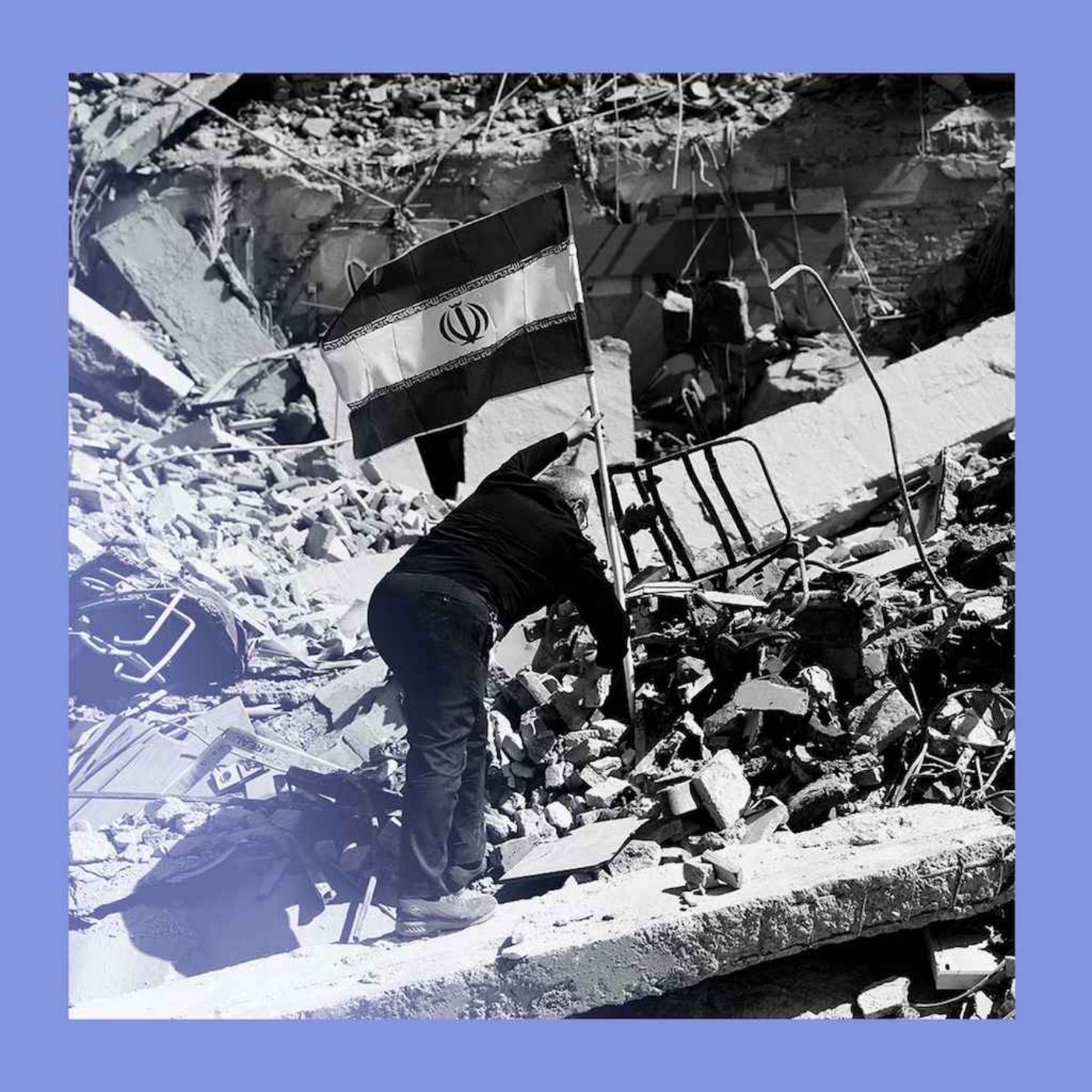
The Islamic Revolution in Iran provided a powerful and enduring model for political Islam. Its legacy, including the hostage crisis, shaped the American perception of the Middle East and global politics more profoundly than Communism did in the 21st century.

Leaders create simplified, emotionally resonant narratives for public consumption that mask the messy, complex, and often ugly truths behind their actions. The real "why" is rarely present in the official story.

Although likely unaware of the initial embassy takeover plan, Ayatollah Khomeini astutely leveraged the ensuing hostage crisis. It became an invaluable political tool to unify the public against a common enemy and sideline moderate rivals, thereby cementing his revolutionary control.
Iran's strategy isn't a quick military victory but a war of attrition. By accepting a long timeline and inflicting small but consistent damage, it aims to erode US domestic support for the war, especially in an election year, and outlast the current administration.

The ongoing war provides the Iranian regime with a pretext for heightened internal security. This allows it to suppress domestic protests and dissent, framing internal control as a necessary measure while managing an external existential threat.
Western assumptions of a liberal Iranian populace ready to overthrow the regime are flawed. While dissent is widespread, decades of repression have eliminated any organized political opposition. This, combined with a hardcore 10-20% base of support, makes the regime surprisingly durable.

Iran's attacks on Gulf states are a calculated strategy to distribute the conflict's costs. By disrupting commerce, tourism, and daily life across the region, Tehran hopes to generate enough pressure from Gulf leaders on the US to end the war with security guarantees for Iran.