Get your free personalized podcast brief
We scan new podcasts and send you the top 5 insights daily.
The war has transformed Russia's economy and military. A peace deal could unleash a battle-hardened, radicalized army, giving Putin an incentive to maintain the war footing and seek further incursions into Europe to avoid domestic disruption.

Related Insights
Russia perceives itself as having momentum and believes its military position will strengthen in the coming months. This confidence removes any urgency to negotiate or make significant concessions, making it the most significant impediment to ending the conflict.

Russia has transformed its economy to be dependent on war production. Peace would bring back radicalized soldiers, risking a military coup. This creates a powerful incentive for Putin to maintain the conflict, making a peaceful resolution more complex and dangerous for Europe.
A key tension exists within Ukraine's leadership regarding long-term strategy. One camp believes a longer war degrades Russia's economy and allows Ukraine's defense industry to integrate with Europe. The opposing view is that a prolonged conflict disproportionately damages Ukraine's own critical infrastructure first.

A swift peace deal in Ukraine might not be the preferred outcome for all its European partners. Some may see a longer conflict as a strategic opportunity to bolster their own military capabilities while Russia is occupied.
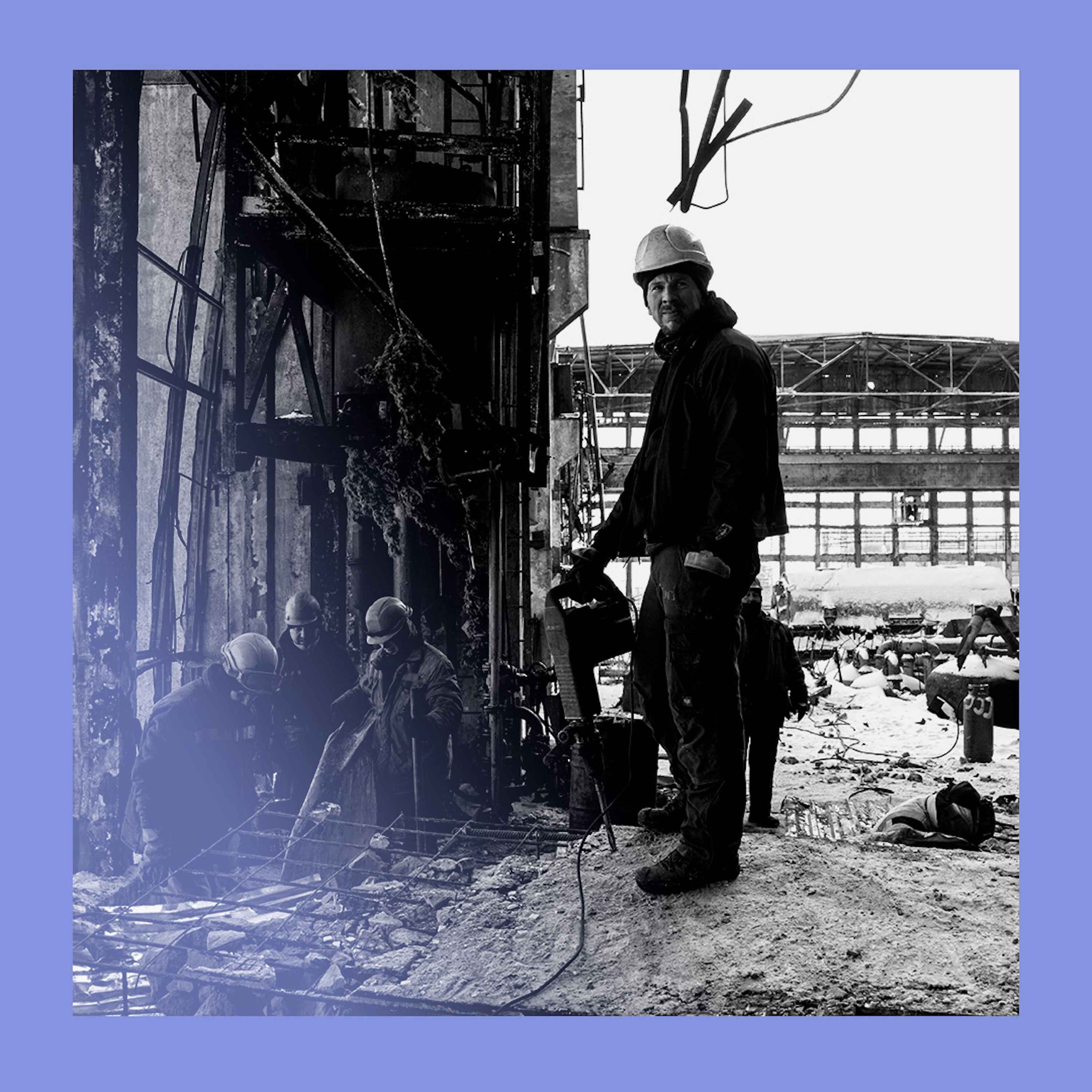
Alexander Stubb outlines a threefold failure for Putin: strategically, he pushed Finland into NATO; militarily, he’s achieved minimal gains at catastrophic cost (e.g., 34,000 Russian soldiers killed in Dec.); and economically, Russia is crippled. Putin continues the war not to win, but to avoid the domestic fallout of admitting defeat.

A ceasefire won't eliminate underlying tensions. Instead, it could create new flashpoints, such as a breakdown of the agreement or instability in Belarus, potentially dragging NATO into a future conflict more directly than the current war.
The invasion has crippled Russia's long-term prospects. It has suffered generational setbacks in economic and demographic development, diminished its global reputation, and triggered a massive military buildup in Europe, worsening its security position.
The proposed peace plan negotiated by private business figures asks Ukraine to cede heavily fortified territory that Russia has failed to capture despite years of fighting and immense casualties. This is not a peace deal but a demand for surrender that rewards Russian aggression by effectively giving away strategic land for free.

The idea that Ukraine must accept a peace deal because the war is "unwinnable" is a flawed narrative that mirrors Russian propaganda. This perspective overlooks Russia's massive daily casualties and straining wartime economy. The war is unsustainable, but arguably more so for Russia than for Ukraine.

A hastily constructed peace deal that stalls during implementation would create a 'neither war nor peace' scenario. This state of limbo would benefit Russia in the near term, as Ukraine would face pressure to demobilize and struggle with investment uncertainty, while Russia could maintain its military posture.