Get your free personalized podcast brief
We scan new podcasts and send you the top 5 insights daily.
The invasion has crippled Russia's long-term prospects. It has suffered generational setbacks in economic and demographic development, diminished its global reputation, and triggered a massive military buildup in Europe, worsening its security position.

Related Insights
The unified fear of Russia is compelling Europe to pivot its economic focus towards industrial and defense manufacturing. This is a significant strategic shift for a region recently more focused on regulation and legacy industries, potentially revitalizing its industrial base.
Alexander Stubb outlines a threefold failure for Putin: strategically, he pushed Finland into NATO; militarily, he’s achieved minimal gains at catastrophic cost (e.g., 34,000 Russian soldiers killed in Dec.); and economically, Russia is crippled. Putin continues the war not to win, but to avoid the domestic fallout of admitting defeat.

Ukraine's most realistic theory of success is not reclaiming all territory militarily, but leveraging its advantages to stabilize the front and inflict unsustainable casualties and economic costs on Russia. This strategy aims to make the war so futile for Moscow that it forces a favorable negotiated settlement.
Soviet leaders who lived through WWII understood the unpredictability of direct conflict and preferred proxy wars. Vladimir Putin, in contrast, has consistently used direct "hot wars"—from Chechnya to Georgia to Ukraine—as a primary tool to consolidate power and boost his domestic popularity.

Putin's desire to continue the war outweighs any potential benefits offered in negotiations. This persistence is not based on a reasonable assessment of the situation but on sunk costs, personal legacy, and a belief that Russia's sheer will can outlast Western support.
Russia's reported economic growth is a mirage fueled by massive spending on a military-industrial complex that produces goods "designed to be destroyed." This war-focused sector is sucking resources, capital, and labor away from the productive civilian economy, creating a fragile system that undermines long-term prosperity.

Despite perceived advantages, Russia's military performance in 2025 was poor. It achieved only incremental gains at the cost of soaring casualties, pushing their manpower losses beyond recruitment rates. This trend suggests that time is increasingly working against Moscow's ability to sustain offensive operations.
The idea that Ukraine must accept a peace deal because the war is "unwinnable" is a flawed narrative that mirrors Russian propaganda. This perspective overlooks Russia's massive daily casualties and straining wartime economy. The war is unsustainable, but arguably more so for Russia than for Ukraine.

By committing to a multi-year, ~$400 billion funding plan, Europe can turn Ukraine's financial weakness into a strategic advantage. This sustained support would exacerbate Russia's already high financial burden, potentially triggering a banking or inflation crisis and crippling its war machine.
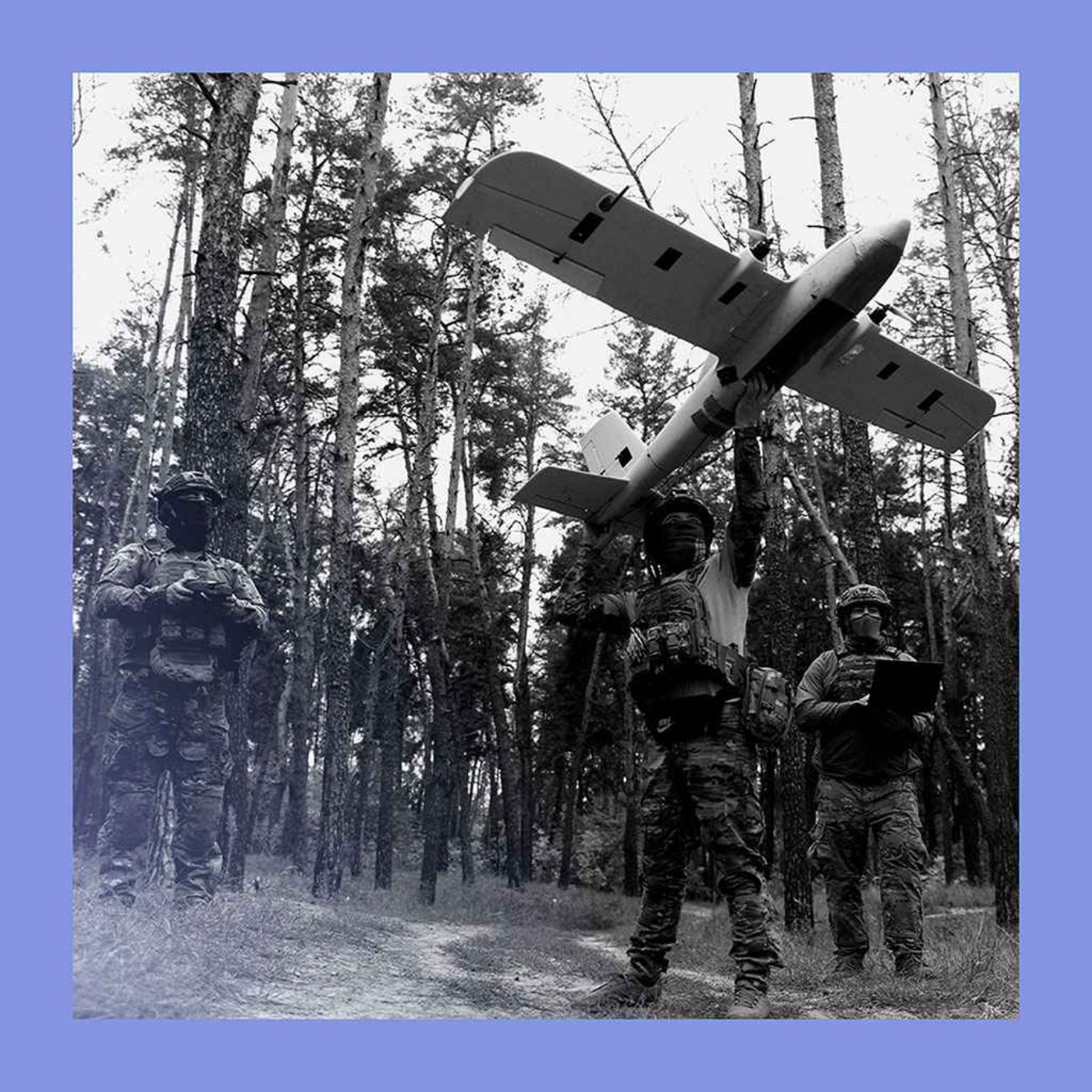
Before the 2022 invasion, Russia seemed invincible after small-scale successes. However, the large-scale Ukraine war revealed a critical weakness: a complete lack of logistics. As military professionals know, logistics—maintenance, supply lines, support crews—are what enable major wars. Russia's failure in this area proved its military is not a true great power machine.