Get your free personalized podcast brief
We scan new podcasts and send you the top 5 insights daily.
The idea that Ukraine must accept a peace deal because the war is "unwinnable" is a flawed narrative that mirrors Russian propaganda. This perspective overlooks Russia's massive daily casualties and straining wartime economy. The war is unsustainable, but arguably more so for Russia than for Ukraine.

Related Insights
Contrary to popular hope, a scenario where Ukraine fully expels Russia and regains all territory is a 'total fantasy.' Based on historical precedent, the war has only two realistic outcomes: a Ukrainian collapse under sustained pressure or a compromise peace that grants Russia de facto control of some territory.

To predict a leader's actions, disregard their words and even individual actions. Instead, focus on their consistent, long-term pattern of behavior. For Putin, the pattern is using negotiations as a stalling tactic to advance a fixed agenda, making him an unreliable partner for peace deals based on stated intentions.

Recognizing Russia's high tolerance for military casualties, Ukraine has shifted its strategy to asymmetric economic warfare. By systematically using long-range drones to attack Russian oil refineries and tankers, Ukraine aims to inflict financial pain where the human cost of war has failed to be a deterrent, creating what they call "the real sanctions."

Soviet leaders who lived through WWII understood the unpredictability of direct conflict and preferred proxy wars. Vladimir Putin, in contrast, has consistently used direct "hot wars"—from Chechnya to Georgia to Ukraine—as a primary tool to consolidate power and boost his domestic popularity.

The proposed peace plan negotiated by private business figures asks Ukraine to cede heavily fortified territory that Russia has failed to capture despite years of fighting and immense casualties. This is not a peace deal but a demand for surrender that rewards Russian aggression by effectively giving away strategic land for free.
Traditionally a defensive strength, Russia's immense size makes it nearly impossible to provide adequate air defense for its sprawling network of almost 40 major oil refineries. This geographic vulnerability allows Ukraine to inflict significant, widespread economic damage with low-cost, long-range drones that are difficult to counter.
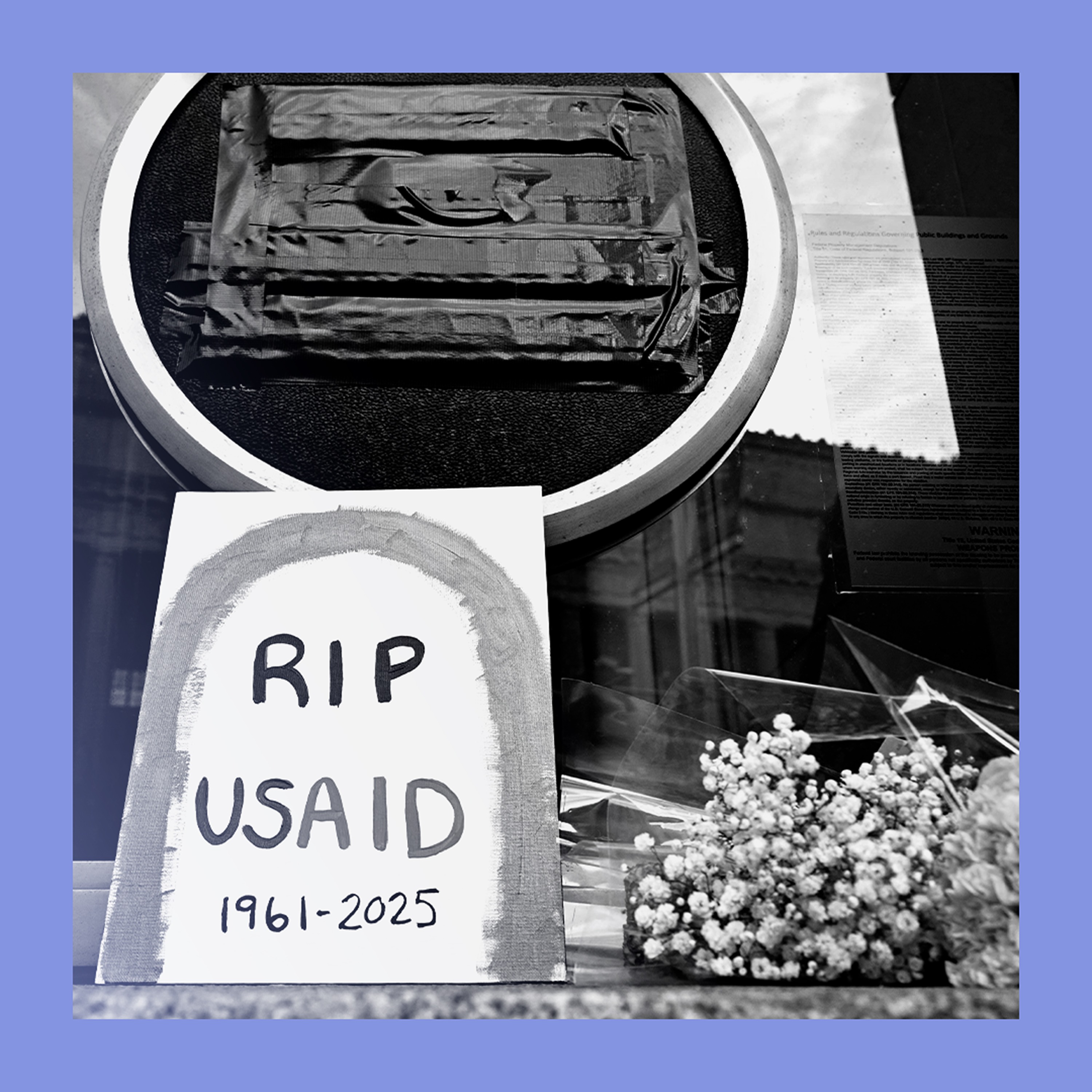
Ukraine should aim to become the 'South Korea' of Europe. This means accepting a negotiated peace or armistice that secures its independence and sovereignty over most of its territory, even if it doesn't reclaim everything. It can then rebuild into a prosperous democracy, creating a stark contrast with a decaying Russia.
Russian forces are employing a specific two-stage tactic to cripple Ukrainian cities. First, a missile punches a hole in the roof of a major power substation, followed by drones that destroy the internal equipment. This methodical approach is designed to completely disconnect urban centers from power and water, creating a long-term humanitarian crisis.
By committing to a multi-year, ~$400 billion funding plan, Europe can turn Ukraine's financial weakness into a strategic advantage. This sustained support would exacerbate Russia's already high financial burden, potentially triggering a banking or inflation crisis and crippling its war machine.
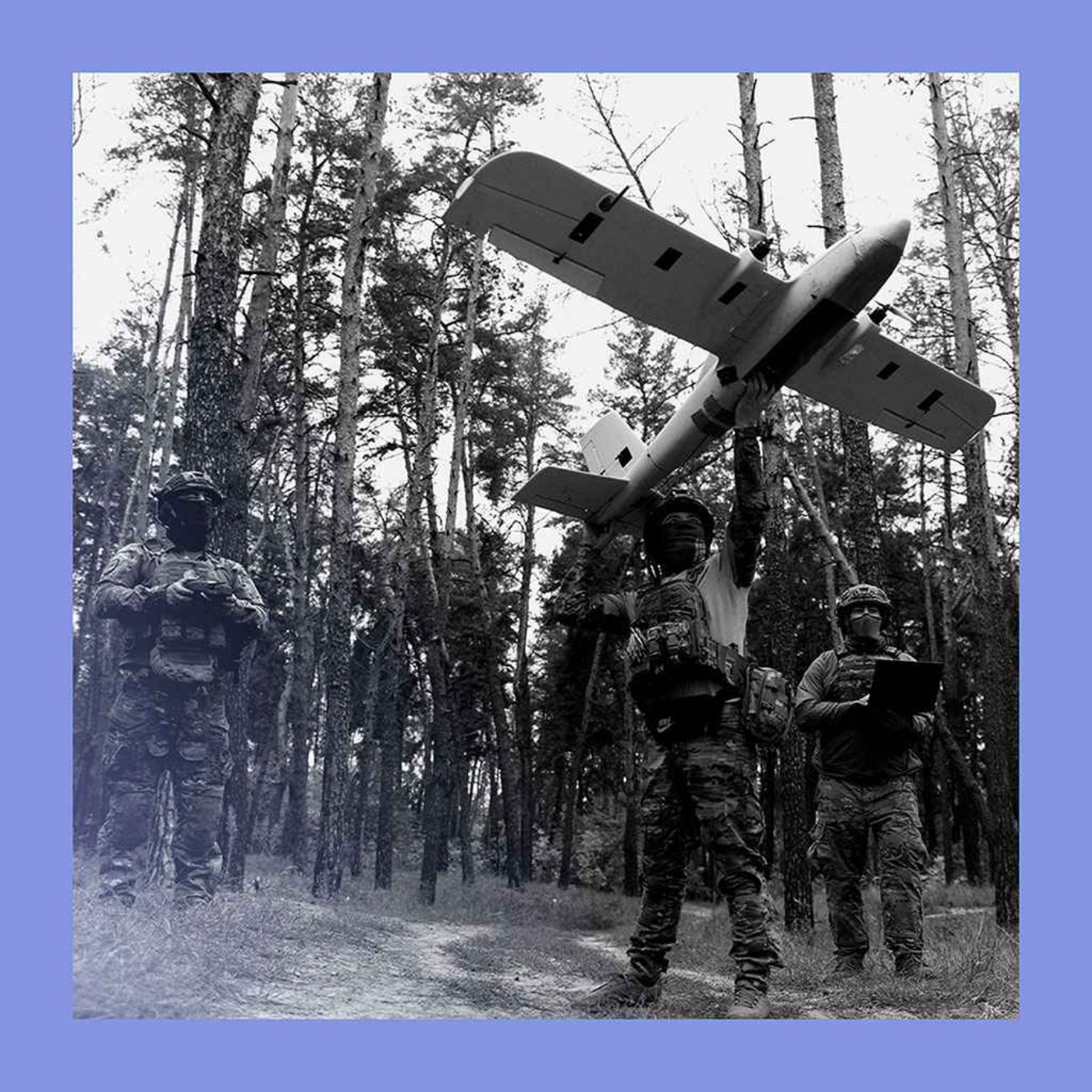
Before the 2022 invasion, Russia seemed invincible after small-scale successes. However, the large-scale Ukraine war revealed a critical weakness: a complete lack of logistics. As military professionals know, logistics—maintenance, supply lines, support crews—are what enable major wars. Russia's failure in this area proved its military is not a true great power machine.