Get your free personalized podcast brief
We scan new podcasts and send you the top 5 insights daily.
Alexander Stubb outlines a threefold failure for Putin: strategically, he pushed Finland into NATO; militarily, he’s achieved minimal gains at catastrophic cost (e.g., 34,000 Russian soldiers killed in Dec.); and economically, Russia is crippled. Putin continues the war not to win, but to avoid the domestic fallout of admitting defeat.

Related Insights
Contrary to popular hope, a scenario where Ukraine fully expels Russia and regains all territory is a 'total fantasy.' Based on historical precedent, the war has only two realistic outcomes: a Ukrainian collapse under sustained pressure or a compromise peace that grants Russia de facto control of some territory.

President Stubb uses Finland's peace with the USSR as a framework. Finland lost territory but preserved its nationhood. He argues Ukraine can secure an even better outcome through a peace deal: EU membership, massive reconstruction aid, and US security guarantees—a strategic victory that transcends battlefield lines.
Putin's history shows a reliable pattern: he appears cooperative and makes agreements, only to later act in his own self-interest. To predict his moves in conflicts like the Ukraine war, one must analyze this long-term behavioral pattern rather than his current statements or gestures.

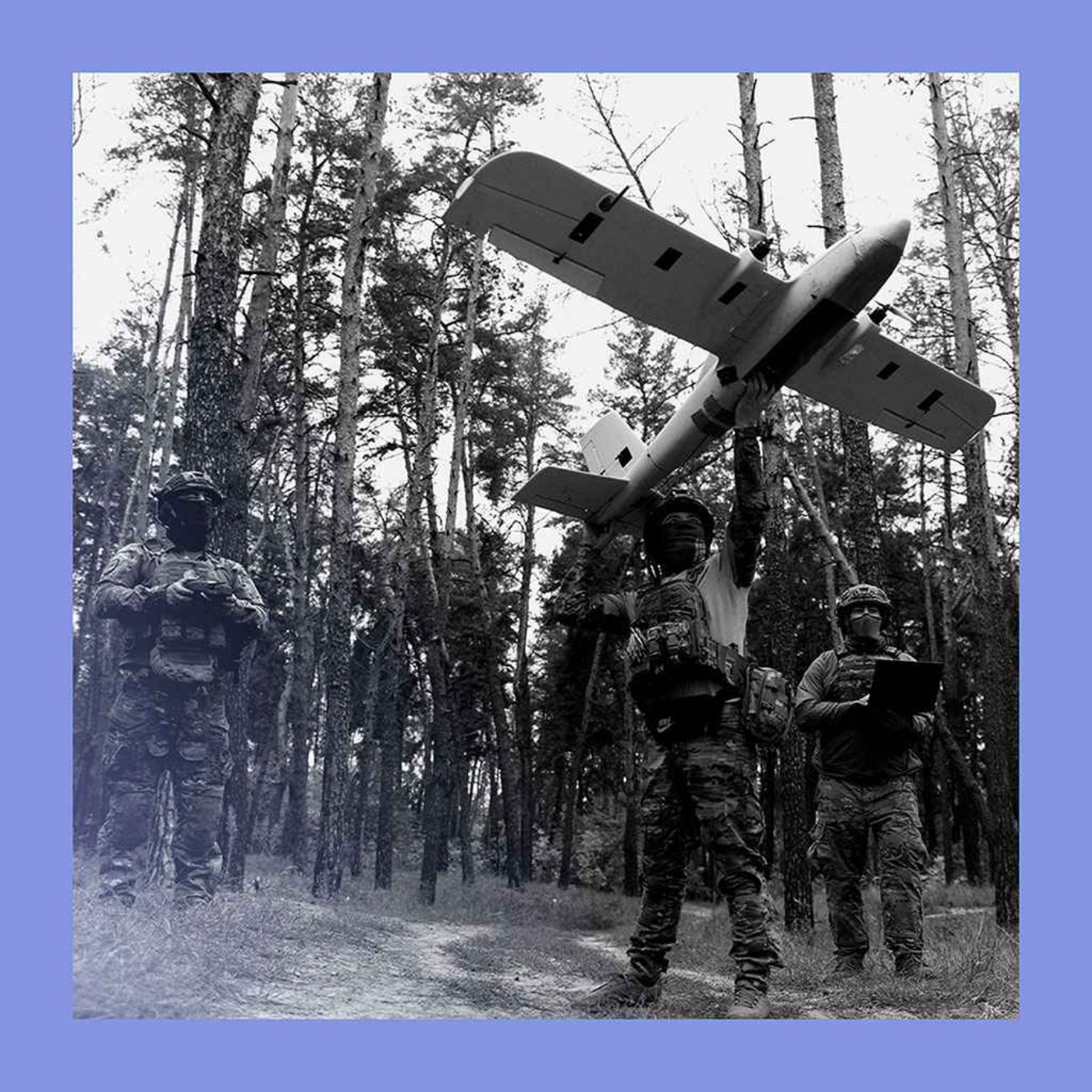
Recognizing Russia's high tolerance for military casualties, Ukraine has shifted its strategy to asymmetric economic warfare. By systematically using long-range drones to attack Russian oil refineries and tankers, Ukraine aims to inflict financial pain where the human cost of war has failed to be a deterrent, creating what they call "the real sanctions."

Soviet leaders who lived through WWII understood the unpredictability of direct conflict and preferred proxy wars. Vladimir Putin, in contrast, has consistently used direct "hot wars"—from Chechnya to Georgia to Ukraine—as a primary tool to consolidate power and boost his domestic popularity.

Traditionally a defensive strength, Russia's immense size makes it nearly impossible to provide adequate air defense for its sprawling network of almost 40 major oil refineries. This geographic vulnerability allows Ukraine to inflict significant, widespread economic damage with low-cost, long-range drones that are difficult to counter.
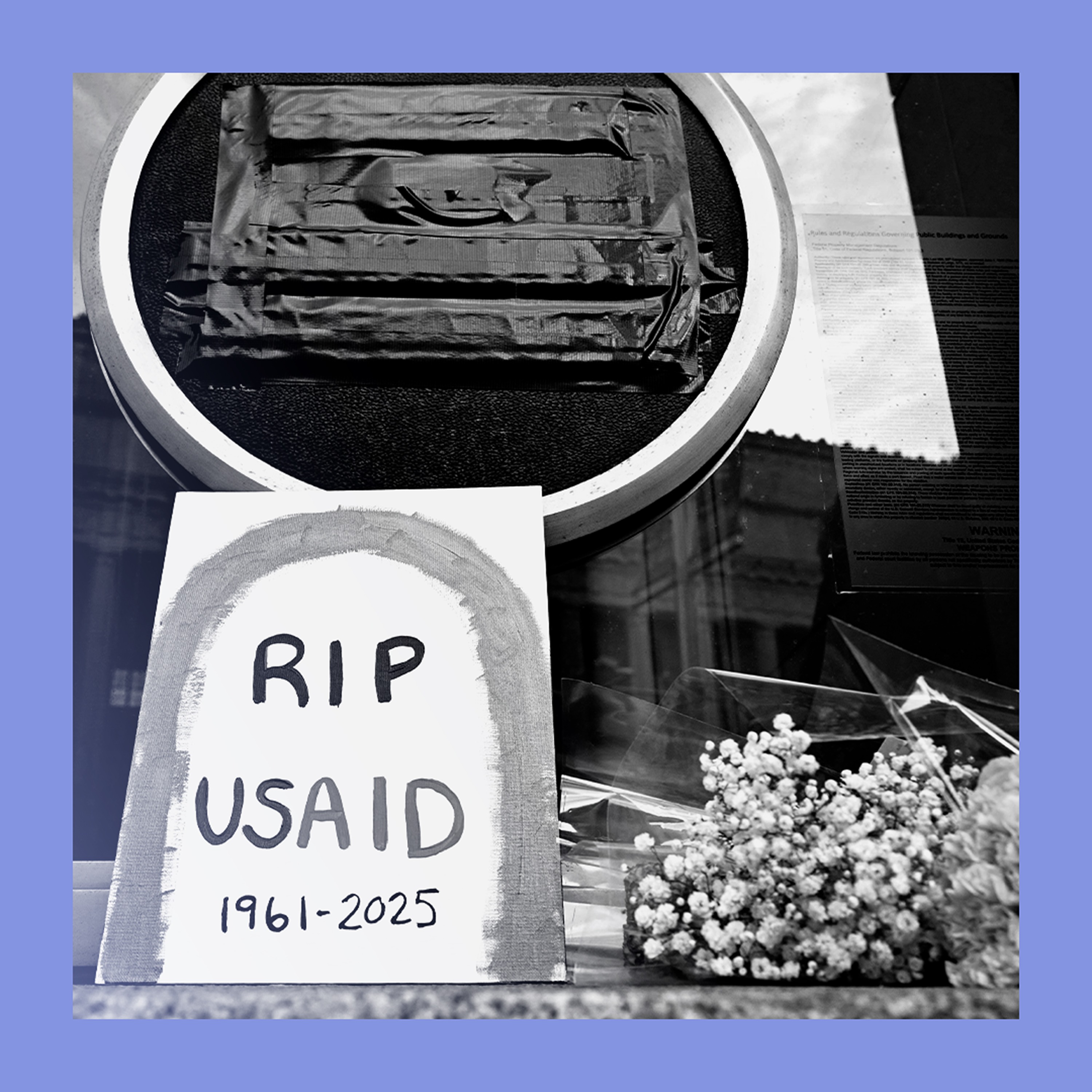
Ukraine should aim to become the 'South Korea' of Europe. This means accepting a negotiated peace or armistice that secures its independence and sovereignty over most of its territory, even if it doesn't reclaim everything. It can then rebuild into a prosperous democracy, creating a stark contrast with a decaying Russia.
The idea that Ukraine must accept a peace deal because the war is "unwinnable" is a flawed narrative that mirrors Russian propaganda. This perspective overlooks Russia's massive daily casualties and straining wartime economy. The war is unsustainable, but arguably more so for Russia than for Ukraine.

By committing to a multi-year, ~$400 billion funding plan, Europe can turn Ukraine's financial weakness into a strategic advantage. This sustained support would exacerbate Russia's already high financial burden, potentially triggering a banking or inflation crisis and crippling its war machine.
Before the 2022 invasion, Russia seemed invincible after small-scale successes. However, the large-scale Ukraine war revealed a critical weakness: a complete lack of logistics. As military professionals know, logistics—maintenance, supply lines, support crews—are what enable major wars. Russia's failure in this area proved its military is not a true great power machine.