Get your free personalized podcast brief
We scan new podcasts and send you the top 5 insights daily.
A swift peace deal in Ukraine might not be the preferred outcome for all its European partners. Some may see a longer conflict as a strategic opportunity to bolster their own military capabilities while Russia is occupied.
Related Insights
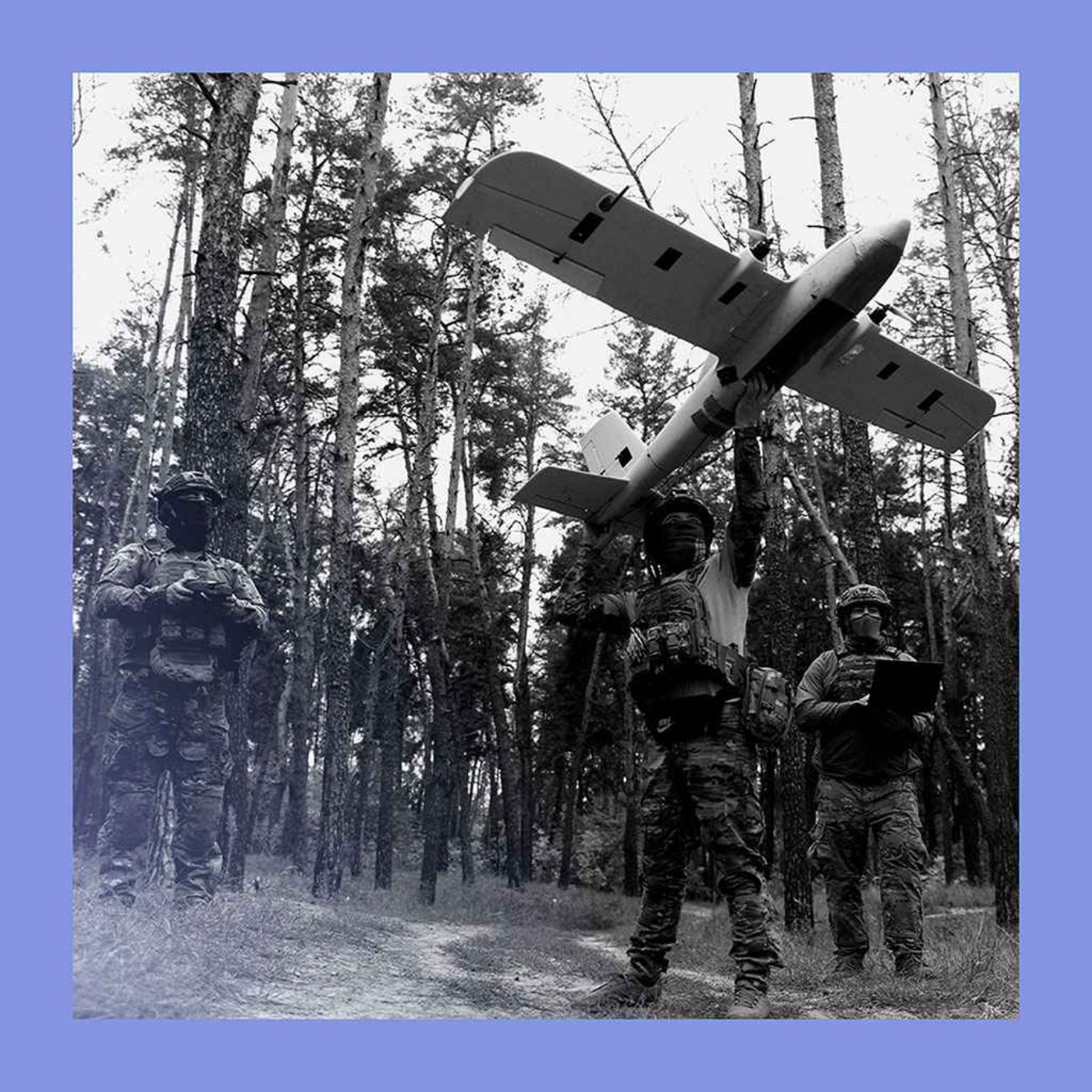
Contrary to popular hope, a scenario where Ukraine fully expels Russia and regains all territory is a 'total fantasy.' Based on historical precedent, the war has only two realistic outcomes: a Ukrainian collapse under sustained pressure or a compromise peace that grants Russia de facto control of some territory.

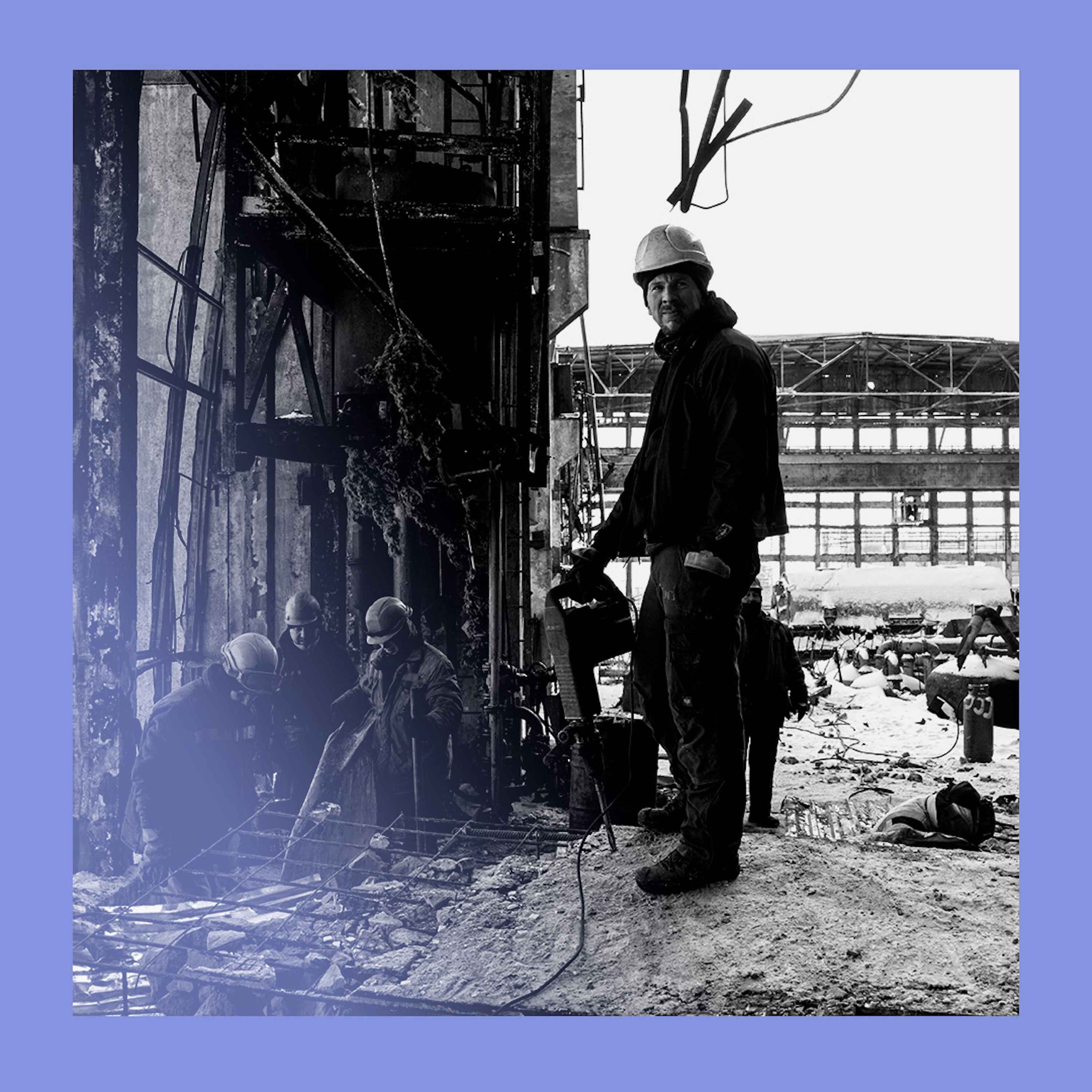
The unified fear of Russia is compelling Europe to pivot its economic focus towards industrial and defense manufacturing. This is a significant strategic shift for a region recently more focused on regulation and legacy industries, potentially revitalizing its industrial base.
Alexander Stubb outlines a threefold failure for Putin: strategically, he pushed Finland into NATO; militarily, he’s achieved minimal gains at catastrophic cost (e.g., 34,000 Russian soldiers killed in Dec.); and economically, Russia is crippled. Putin continues the war not to win, but to avoid the domestic fallout of admitting defeat.

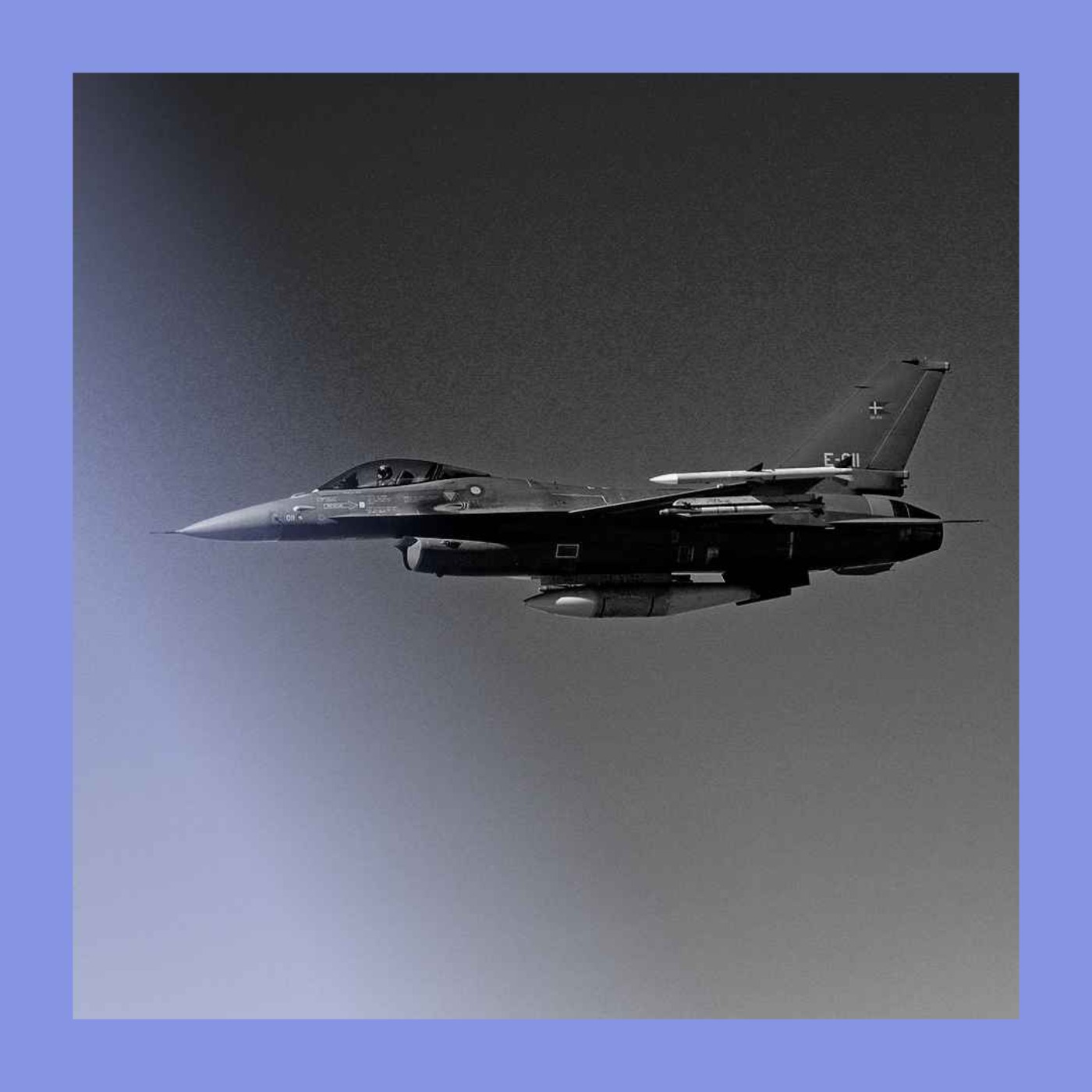
The seemingly bizarre US rhetoric about Greenland is not a genuine territorial ambition. Instead, it is a calculated, strong-arm tactic designed to give European nations political cover to increase their own military spending and adopt a 'war footing,' aligning with US interests against China and its allies.

The President of Finland's quick reversal on whether Europe can defend itself without America reveals a critical vulnerability. Despite public posturing of self-sufficiency, European security is deeply dependent on the U.S., undermining their leverage in negotiations and exposing their claims as a bluff.

Russia's provocations are designed to create dilemmas for European nations, forcing them to question whether the US would support a kinetic response. This uncertainty weakens the transatlantic alliance and strengthens Russia's psychological position for future negotiations over Ukraine and European security.
Instead of slow, bureaucratic rearmament, Germany could apply an 'Operation Warp Speed' model to its defense industry. By mass-producing Ukraine’s innovative drone designs at scale, Germany would not only create a powerful deterrent against Russia but also trigger its own economic recovery, a decisive strategic win-win.
Ukraine should aim to become the 'South Korea' of Europe. This means accepting a negotiated peace or armistice that secures its independence and sovereignty over most of its territory, even if it doesn't reclaim everything. It can then rebuild into a prosperous democracy, creating a stark contrast with a decaying Russia.
The idea that Ukraine must accept a peace deal because the war is "unwinnable" is a flawed narrative that mirrors Russian propaganda. This perspective overlooks Russia's massive daily casualties and straining wartime economy. The war is unsustainable, but arguably more so for Russia than for Ukraine.

By committing to a multi-year, ~$400 billion funding plan, Europe can turn Ukraine's financial weakness into a strategic advantage. This sustained support would exacerbate Russia's already high financial burden, potentially triggering a banking or inflation crisis and crippling its war machine.