Get your free personalized podcast brief
We scan new podcasts and send you the top 5 insights daily.
The administration's willingness to "break it" without "buying it"—conducting large-scale military operations without taking responsibility for the resulting governance—allows for actions previous administrations would have avoided due to long-term nation-building concerns.

Related Insights
The raid on Maduro is presented as an opportunity for special forces units to demonstrate their value to an administration wary of large, troop-intensive occupations. This "surgical strike" model offers a politically palatable alternative to the costly nation-building efforts of the 2000s in Iraq and Afghanistan.
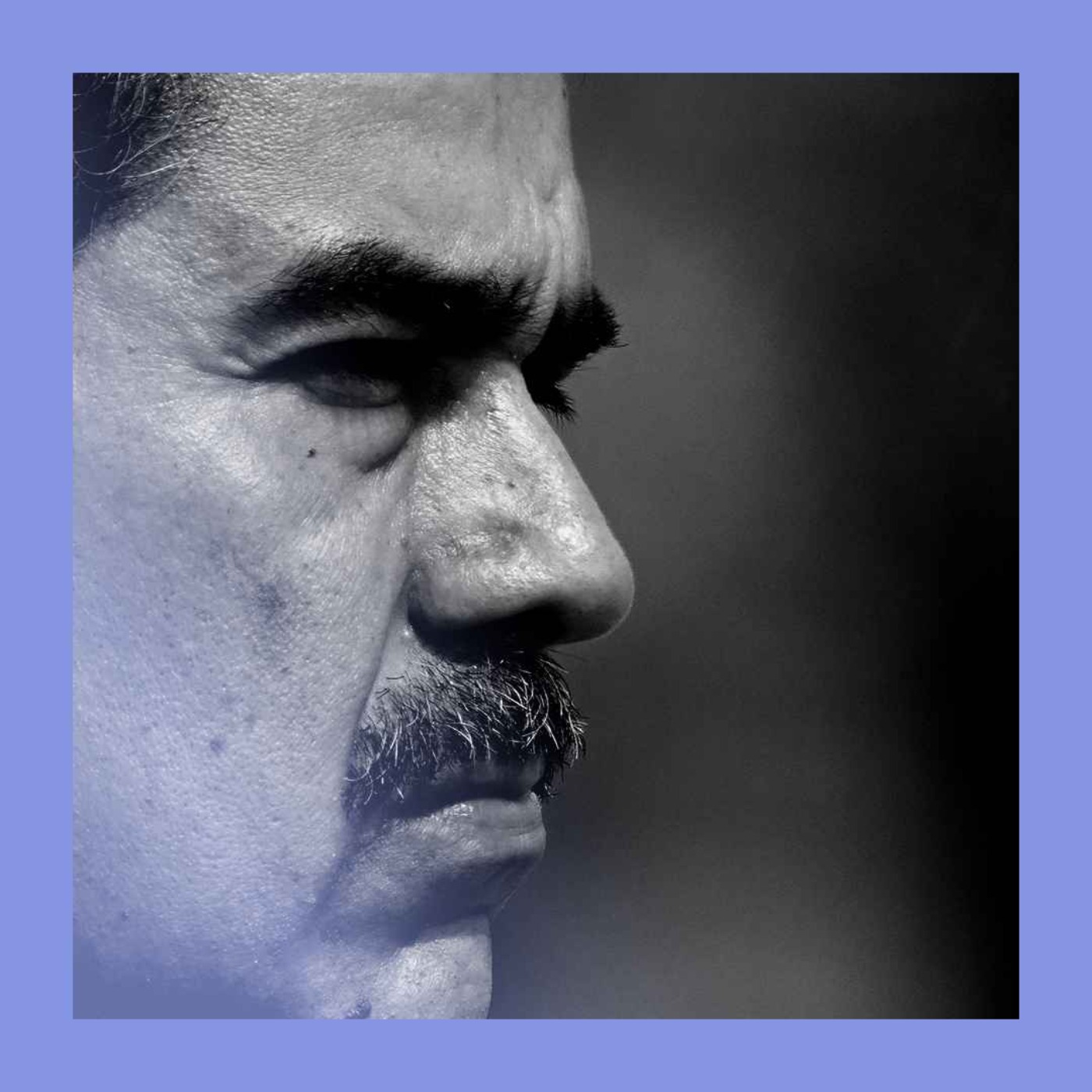
Trump’s national security strategy subtly resurrected the 'Roosevelt Corollary' of 1904. This doctrine extends the Monroe Doctrine by asserting the U.S. right to proactively change governments it dislikes in the Western Hemisphere, signaling a return to a more interventionist and sphere-of-influence-based foreign policy.

Unlike past administrations that used pretexts like 'democracy,' the Trump administration openly states its transactional goals, such as seizing oil. This 'criming in plain sight' approach is merely an overt version of historical covert US actions in regions like Latin America.

President Trump repeatedly takes actions that foreign policy experts predict will be catastrophic. When these gambles do not result in the worst-case scenario, it reinforces his unconventional approach in the public eye and erodes the credibility of traditional institutions and their warnings.
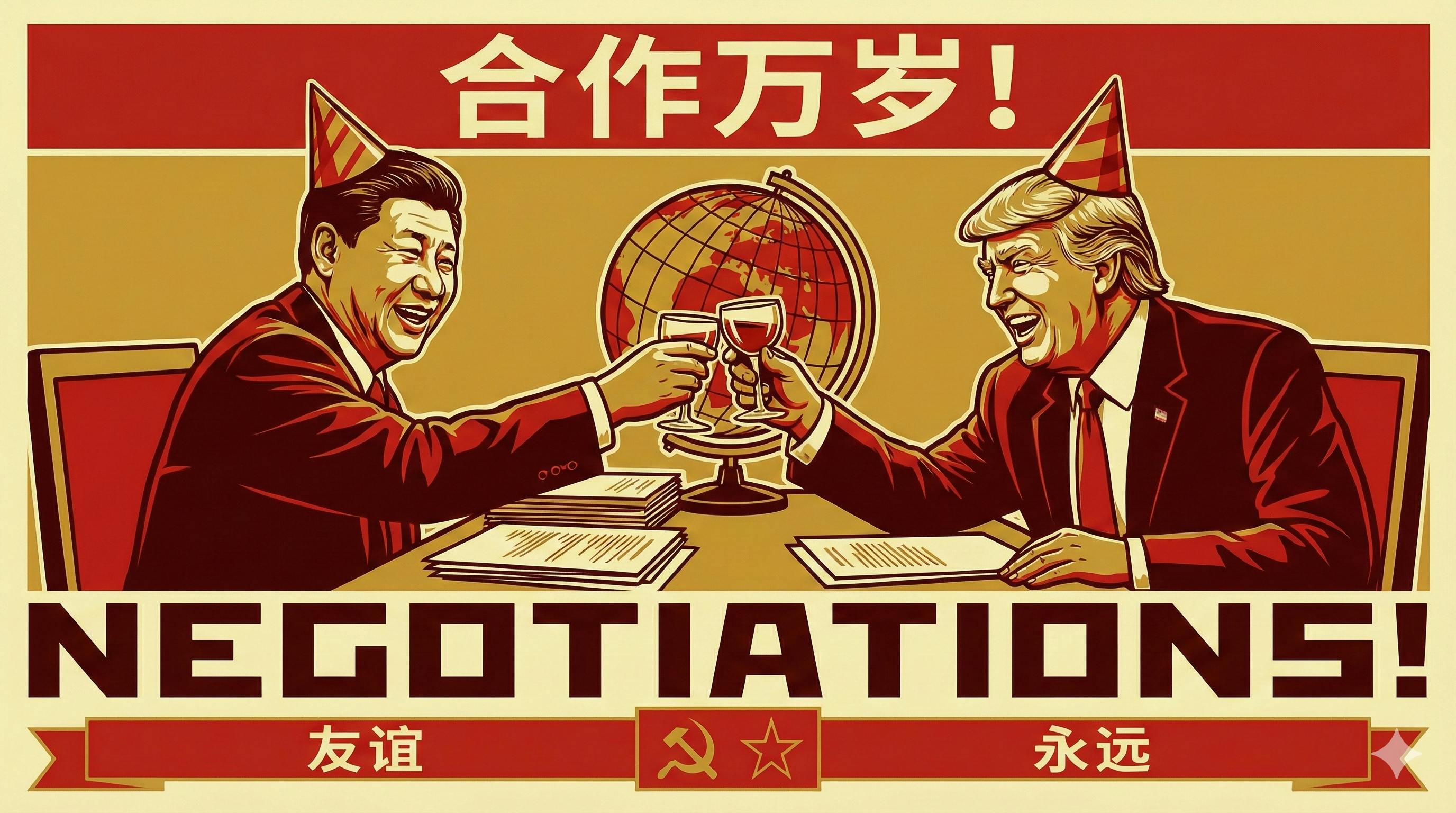
Trump's direct, aggressive actions often achieve immediate goals (first-order consequences). However, this approach frequently fails to anticipate the strategic, long-term responses from adversaries like China (second and third-order consequences), potentially creating larger, unforeseen problems down the road.

Despite an administration staffed by veterans weary of foreign entanglements, the U.S. has amassed its largest military force in the Caribbean since the Cuban Missile Crisis. This contradiction highlights a deep strategic incoherence, which the speaker calls a "strategic cacophony," making it difficult to formulate consistent national policy.

By forgoing consultation with allies, Congress, or the UN, the Trump administration frames its military action as ad hoc rather than a defense of international rules. This erodes legitimacy and alienates key European partners who prioritize a rules-based system, contrasting sharply with the coalition-building of past interventions like the Iraq War.

The core weakness of U.S. foreign intervention isn't a lack of military or economic power, but a lack of seriousness about the aftermath. The U.S. lacks the patience, humility, and stamina for the difficult, unglamorous work of post-conflict planning and nation-building, dooming interventions to failure.
The administration's approach is not simple isolationism. While demanding a dominant sphere of influence in the Western Hemisphere, Trump also maintains the desire for unhindered freedom of action globally, such as mediating conflicts far from US shores. This creates a hybrid policy of 'dominance at home and freedom to roam abroad.'

Contrary to the isolationist interpretation, "America First" under Trump is a doctrine of pragmatic, and often aggressive, foreign intervention. It justifies actions like controlling another country's resources if they are deemed critical to American national security or economic stability.
