Get your free personalized podcast brief
We scan new podcasts and send you the top 5 insights daily.
By forgoing consultation with allies, Congress, or the UN, the Trump administration frames its military action as ad hoc rather than a defense of international rules. This erodes legitimacy and alienates key European partners who prioritize a rules-based system, contrasting sharply with the coalition-building of past interventions like the Iraq War.

Related Insights
The post-WWII global framework, including international law, was a fragile agreement primarily enforced by the US. Its erosion is leading to a "might makes right" reality where nations like Russia, China, and the US act unilaterally in their perceived self-interest, abandoning the pretense of shared rules.

The US executive branch increasingly initiates military action by citing inherent commander-in-chief powers, sidestepping the constitutional requirement for Congress to declare war. This shift, exemplified by the Venezuela operation, marks a 'third founding' of the American republic where historical checks and balances on war-making are now considered quaint.
Trump's rhetoric about acquiring Greenland "the easy way or the hard way" is not just bluster. It's part of a broader pattern of unilateral action that prioritizes American strategic interests above all else, even at the cost of alienating key allies and potentially fracturing foundational alliances like NATO.

While Americans may become desensitized to a president's unconventional statements, allies like Australia do not see it as a joke. They interpret threats to treaty obligations as genuine disrespect and aggression, compelling them to develop independent defense strategies and fundamentally altering geopolitical relationships built over decades.

Despite claims of being 'realist,' Trump's foreign policy is fundamentally anti-realist. By alienating allies, cutting R&D, and acting imprudently, it undermines the very sources of long-term American power—partnerships and technological superiority—that a true realist would seek to preserve.

President Trump repeatedly takes actions that foreign policy experts predict will be catastrophic. When these gambles do not result in the worst-case scenario, it reinforces his unconventional approach in the public eye and erodes the credibility of traditional institutions and their warnings.
If a leader concludes that historic allies are acting against their nation's interests (e.g., prolonging a war), they may see those alliances as effectively void. This perception of betrayal becomes the internal justification for dramatic, unilateral actions like dismantling NATO or seizing strategic assets.
The backbone of NATO is not just US military might, but European trust in it. A dispute initiated by the US against allies is more existentially dangerous than past internal conflicts or external threats because it directly undermines the core assumption of mutual defense.
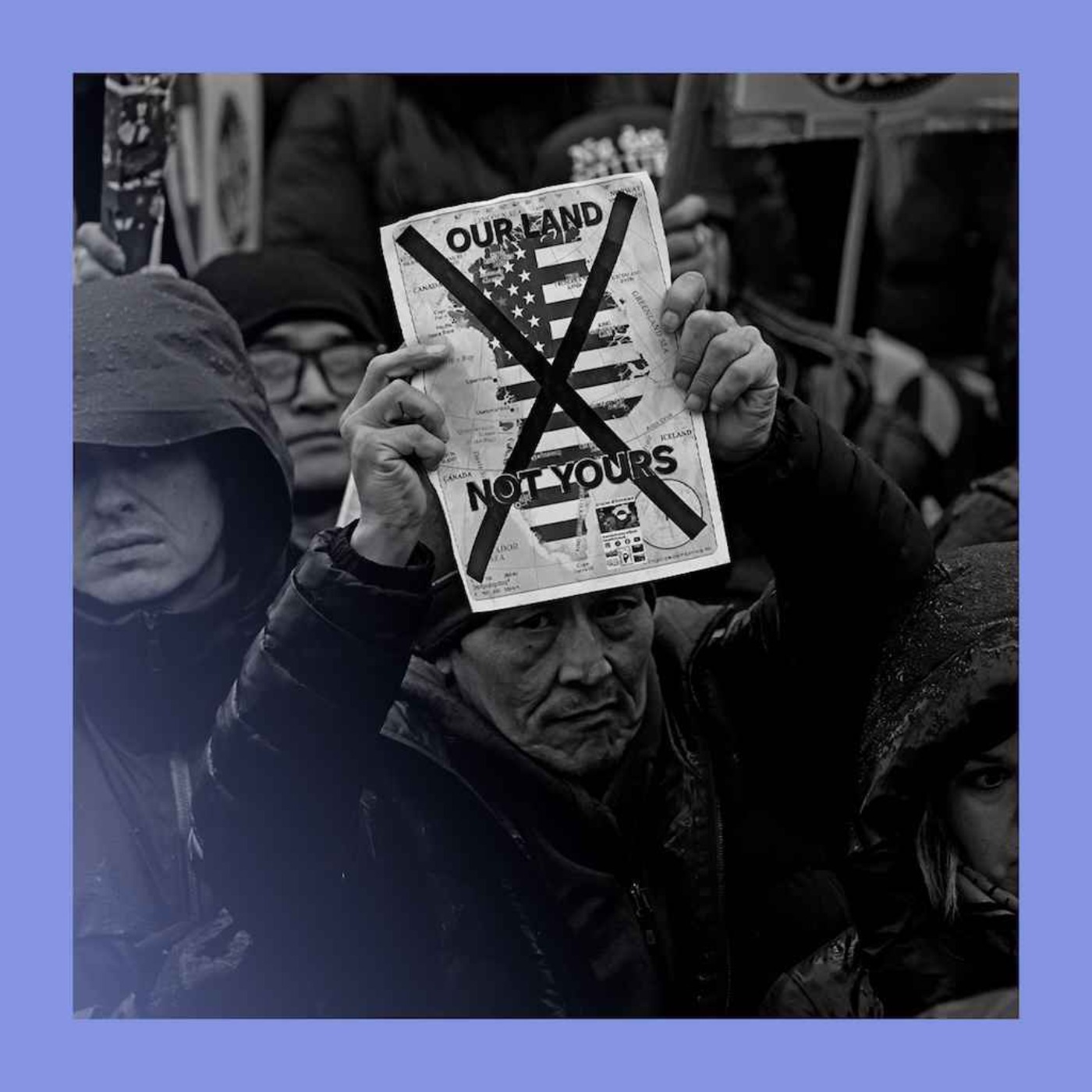
Even though President Trump backed down on tariffs over Greenland, the episode permanently eroded European trust in the U.S. as a reliable NATO partner. The erratic nature of the dispute raised serious questions about American dependability on more critical issues like Ukraine, suggesting long-term damage to the alliance.
The administration's aggressive, unilateral actions are pushing European nations toward strategic autonomy rather than cooperation. This alienates key partners and fundamentally undermines the 'Allied Scale' strategy of building a collective economic bloc to counter adversaries like China.
