Get your free personalized podcast brief
We scan new podcasts and send you the top 5 insights daily.
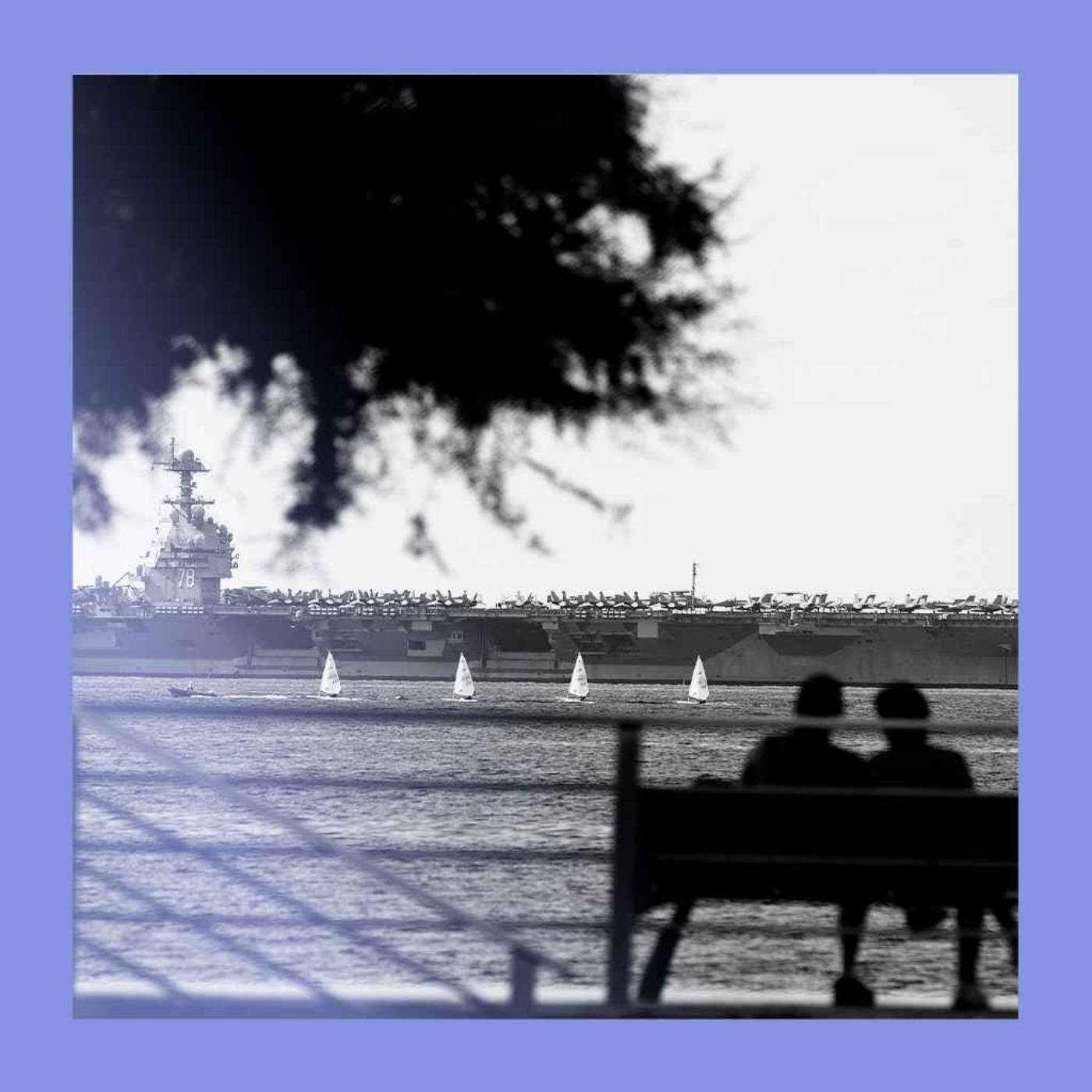
Despite an administration staffed by veterans weary of foreign entanglements, the U.S. has amassed its largest military force in the Caribbean since the Cuban Missile Crisis. This contradiction highlights a deep strategic incoherence, which the speaker calls a "strategic cacophony," making it difficult to formulate consistent national policy.
Related Insights
Trump's erratic approach isn't random; it's a strategy to create chaos and uncertainty. This keeps adversaries off-balance, allowing him to exploit openings that emerge, much like a disruptive CEO. He is comfortable with instability and uses it as a tool for negotiation and advantage.

Luckey argues that US foreign policy is shifting away from direct military intervention. The new, more effective strategy is to arm allies, turning them into "prickly porcupines" that are difficult to attack. This approach maintains US influence and economic benefits while avoiding the political and human cost of deploying troops.
![Palmer Luckey - Inventing the Future of Defense - [Invest Like the Best, CLASSICS] thumbnail](https://megaphone.imgix.net/podcasts/f7c9aa8e-cb8d-11f0-828e-0b281809c10a/image/cc07f91ec47f95abbde771a4956b37b7.jpg?ixlib=rails-4.3.1&max-w=3000&max-h=3000&fit=crop&auto=format,compress)
A country's ability to rely on allies for strategic production is undermined by conflicting internal policies. For example, the U.S. seeking shipbuilding cooperation from South Korea while its immigration agents raid a Korean-owned factory sends mixed signals and erodes trust.

The public narrative of fighting a "war on drugs" in Venezuela is a distraction. The true purpose of the US military consolidation in the Caribbean is to project power against China, which has massive investments, shipping routes, and influence in the region. The conflict is a strategic message in an undeclared cold war.
Trump's 'hokey pokey' with tariffs and threats isn't indecisiveness but a consistent strategy: make an agreement, threaten a severe and immediate penalty for breaking it, and actually follow through. This makes his threats credible and functions as a powerful deterrent that administrations lacking his perceived volatility cannot replicate.

The public narrative of fighting narco-terrorism in Venezuela is a red herring. The true strategic goal is to justify a U.S. military presence in the Caribbean to counter China's growing economic and military investments in the region, including control of key shipping routes and military partnerships.
The US troop buildup near Venezuela isn't just about oil; it's a strategic move to counter China's growing economic influence in South America. China is establishing a gold-backed currency network, and the US is using military leverage on Venezuelan allies to disrupt this challenge to its hemispheric dominance.

The conflict is not primarily about oil or drugs, but a strategic move to reassert U.S. dominance in the Western Hemisphere. As China solidifies its influence in the East, the U.S. is 'drawing a line' to counter China's partnerships (like with Venezuela) in its own sphere of influence.
Despite its official status, the new National Security Strategy's significance is debated within Washington. Some administration insiders believe the document is an ideological statement that will be "forgotten in weeks," with its actual implementation dependent on the president's whims and the influence of key advisors.
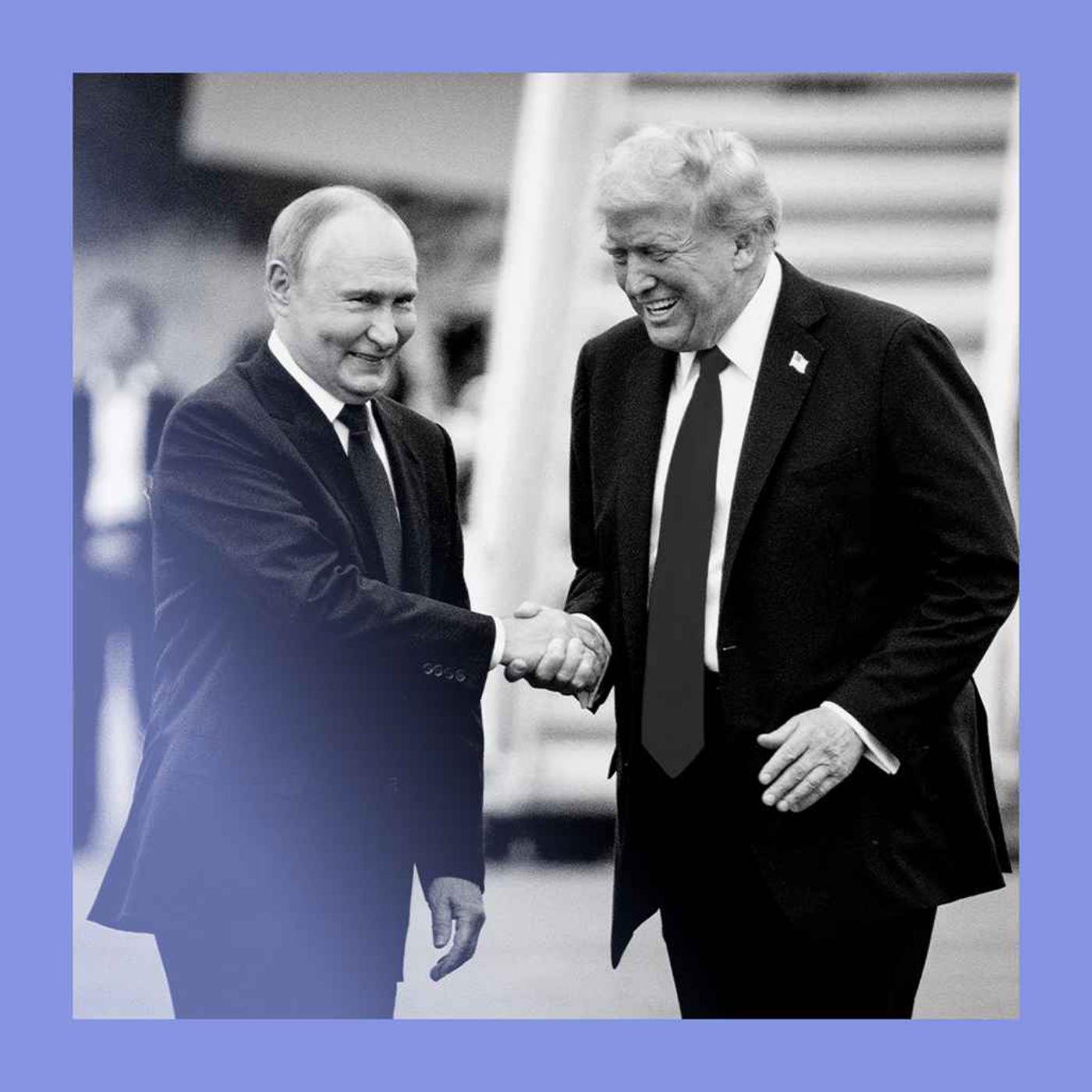
The recent uptick in global conflicts, from Ukraine to the Caribbean, is not a series of isolated events. It's a direct result of adversaries perceiving American weakness and acting on the historical principle that nations expand their influence until they are met with sufficient counter-force.