Get your free personalized podcast brief
We scan new podcasts and send you the top 5 insights daily.
Jake Sullivan, reflecting on the post-October 7th period, concludes that the Biden administration should have applied more pressure on the Israeli government to change its approach in Gaza. This marks a significant admission and signals a potential future shift towards more conditional support for Israel.

Related Insights
The peace deal materialized only after President Trump became personally and seriously invested. His direct pressure on Prime Minister Netanyahu was the critical factor in shifting Israel's position, suggesting that previous, less forceful American approaches missed opportunities to end the conflict sooner.

Israeli leadership recognizes that American public opinion, particularly among younger generations, is turning against them. They are likely using the current pro-Israel US administration as a final window of opportunity to expand territory and create irreversible facts on the ground before that support evaporates.

Unlike predecessors who acted as "Israel's lawyer," Trump's administration applied coercive pressure to both Israeli and Hamas leadership. According to diplomats, this impartial approach was the key to brokering a peace deal where past efforts failed.

The October 7th attacks, intended to advance the Palestinian cause, were a catastrophic strategic error. They eliminated previous restraints on Israel, allowing it to unleash its full military capacity as the region's superpower, ultimately leading to the decimation of Hamas, Hezbollah, and their primary sponsor, Iran.

While a Trump administration might be tempted to cut a deal and withdraw from conflict with Iran, Israel's post-October 7th security doctrine has changed. Netanyahu's government will likely push hard for complete regime change, complicating any US efforts to de-escalate for political convenience.

A botched Israeli airstrike in Qatar, a key US ally, was the true catalyst for renewed US peace efforts. The fear of the conflict spiraling out and drawing in other American allies—disrupting a broader Middle East agenda—prompted a decisive push for a resolution, more so than the ongoing tragedy in Gaza itself.
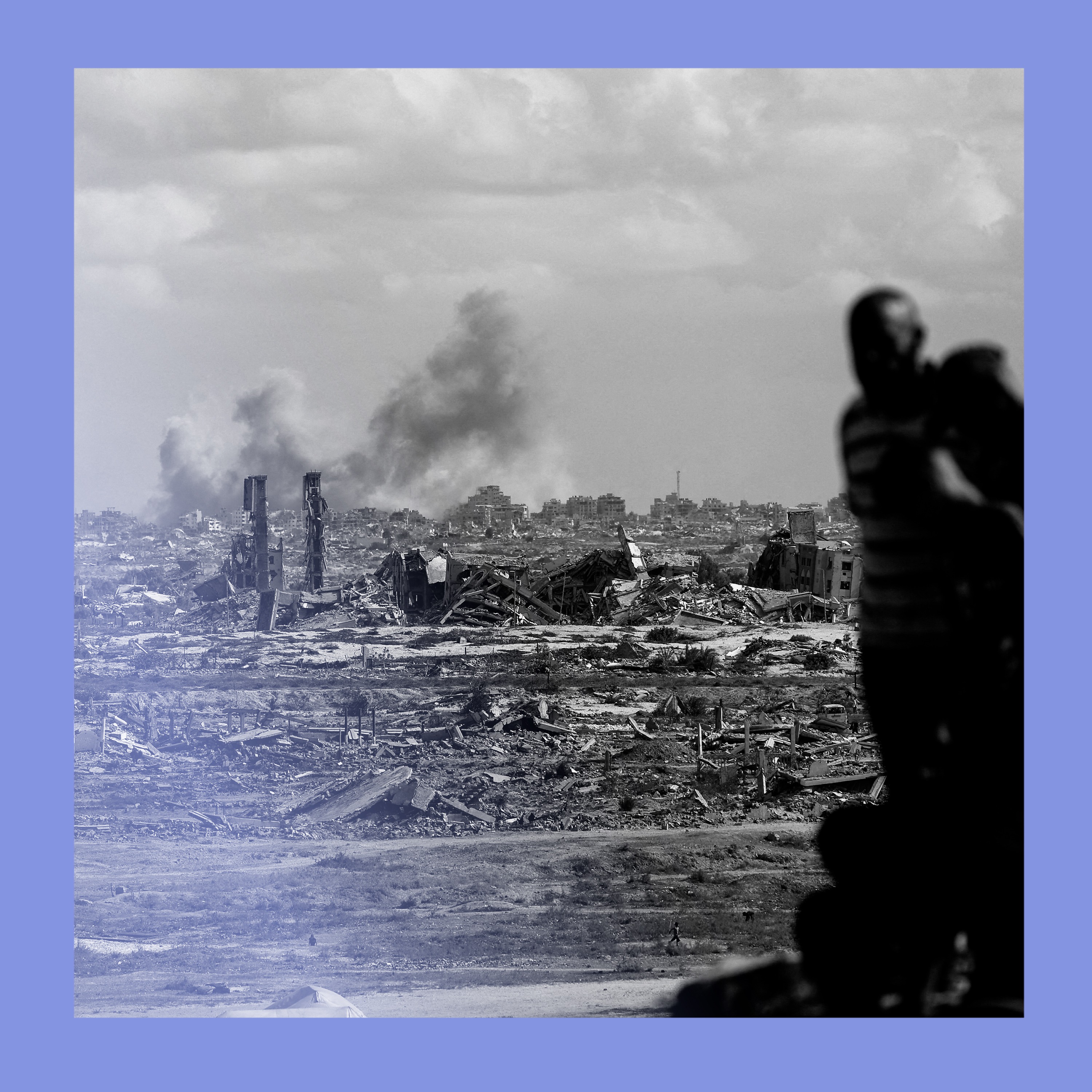
The proposed peace deal’s elements have been discussed for months. The breakthrough isn't the plan itself, but President Trump's willingness to strong-arm Israeli Prime Minister Netanyahu into agreement, a tactic previously avoided by both Trump and his predecessor Joe Biden.
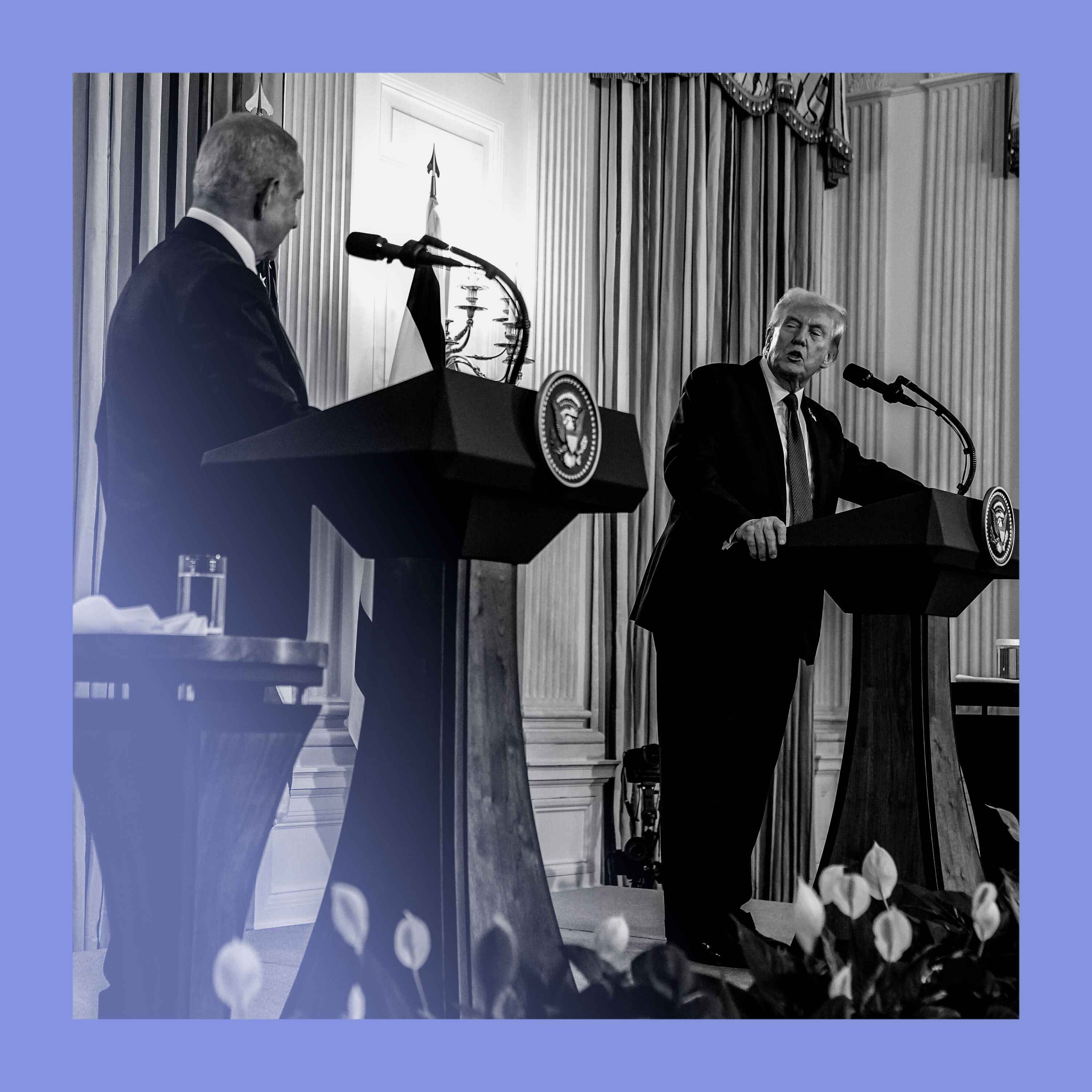
The administration justified its attack by claiming it had to preempt an inevitable Israeli strike and the subsequent Iranian retaliation. This reasoning is flawed because it ignores the more direct and less escalatory option: using US influence to stop its ally, Israel, from launching the initial attack.
Former National Security Advisor Jake Sullivan argues that Israel's refusal to allow foreign journalists into Gaza is a significant problem. It prevents independent verification of claims from combatants on either side of the conflict, creating an information vacuum and setting back the cause of transparency.

Like government bailouts encouraging risky banking, unconditional US support for Israel acts as an artificial insurance policy. This "moral hazard" emboldens Israel to pursue aggressive conflicts it would otherwise avoid, knowing it won't bear the full consequences, much like having Mike Tyson as a bodyguard.