Get your free personalized podcast brief
We scan new podcasts and send you the top 5 insights daily.
While a Trump administration might be tempted to cut a deal and withdraw from conflict with Iran, Israel's post-October 7th security doctrine has changed. Netanyahu's government will likely push hard for complete regime change, complicating any US efforts to de-escalate for political convenience.

Related Insights
The peace deal materialized only after President Trump became personally and seriously invested. His direct pressure on Prime Minister Netanyahu was the critical factor in shifting Israel's position, suggesting that previous, less forceful American approaches missed opportunities to end the conflict sooner.

A destabilized Iranian regime is more dangerous, not less. Israeli intelligence fears Tehran might launch a strike on a foreign enemy like Israel to distract its populace, create a "rally 'round the flag" effect, and restore military pride after recent setbacks.

Beyond the immediate conflict, Israeli strategists see a long-term opportunity. If the current regime falls, they hope to restore the strong alliance that existed with non-Arab Iran before the 1979 Islamic Revolution, which was based on shared regional interests.
The October 7th attacks, intended to advance the Palestinian cause, were a catastrophic strategic error. They eliminated previous restraints on Israel, allowing it to unleash its full military capacity as the region's superpower, ultimately leading to the decimation of Hamas, Hezbollah, and their primary sponsor, Iran.

While currently aligned, the long-term interests of Israel and the US in a war with Iran could split. Israel seeks total elimination of Iran's missile threat, implying a prolonged conflict. The US, however, may have less tolerance for a drawn-out war due to concerns about its impact on global energy prices and the economy.
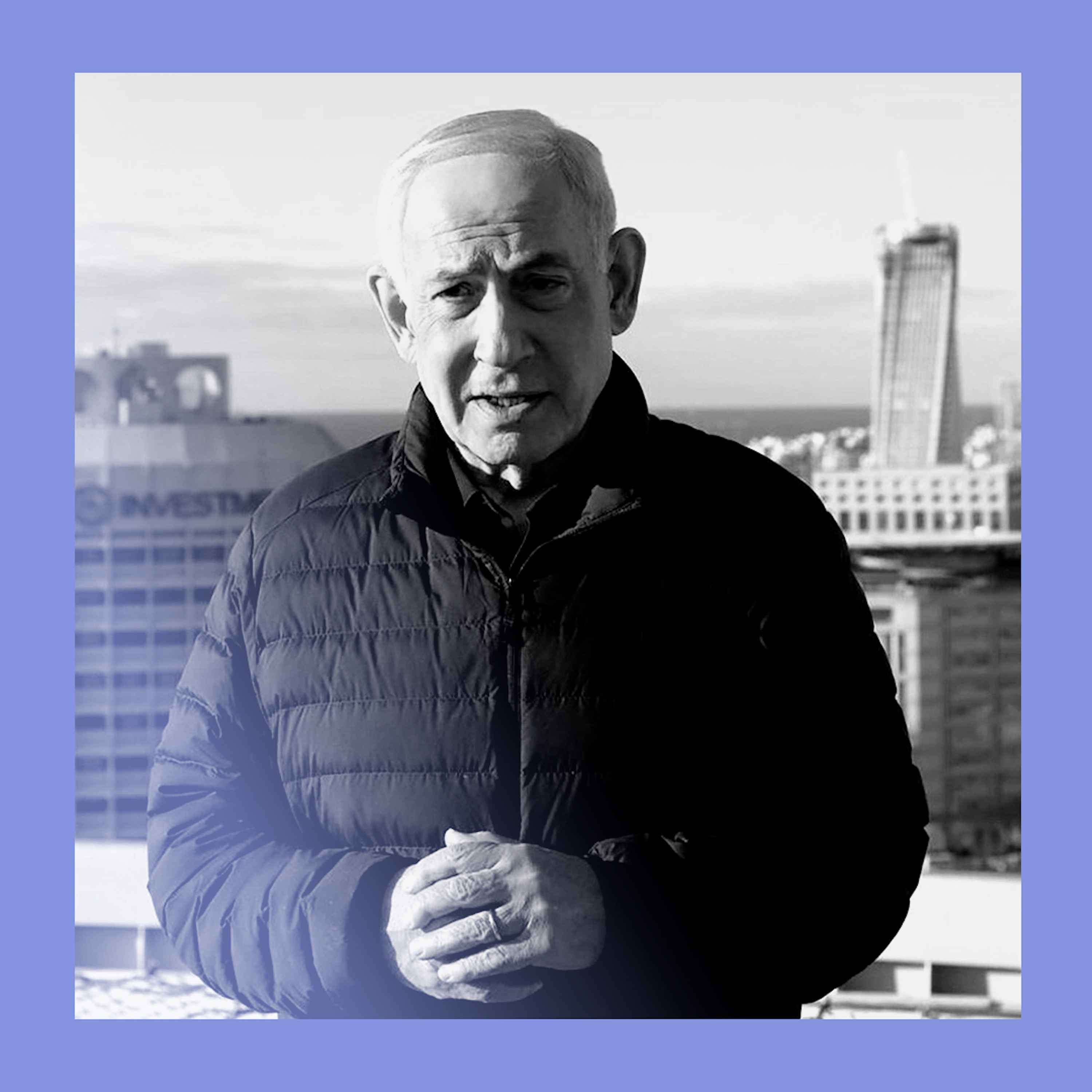
Contrary to his hawkish reputation, Benjamin Netanyahu is deliberately lowering Israel's profile regarding Iran's internal protests. This strategic silence aims to prevent the embattled Iranian regime from feeling cornered and launching a preemptive attack out of paranoia.
The US military buildup against Iran is interpreted not as an inevitable prelude to war, but as a high-stakes 'game of chicken.' The primary goal for President Trump is likely to exert maximum pressure to force Iran into a diplomatic deal with major concessions, making war a secondary, less preferable option.
The administration justified its attack by claiming it had to preempt an inevitable Israeli strike and the subsequent Iranian retaliation. This reasoning is flawed because it ignores the more direct and less escalatory option: using US influence to stop its ally, Israel, from launching the initial attack.

The US and Israel are operationally successful in degrading Iran's military capabilities. However, leadership has failed to articulate a coherent strategic objective for the war, making it difficult to define victory or know when the conflict will end.

Israeli officials now openly state regime change in Iran is their goal. However, their strategy is not a direct overthrow but rather to target Iran's internal "suppression" forces. By removing the regime's tools to quell dissent, they aim to create an opportunity for the Iranian people to rise up themselves.