Get your free personalized podcast brief
We scan new podcasts and send you the top 5 insights daily.
Because NATO as an institution cannot implement economic sanctions or expel diplomats, meaningful cost imposition against Russia requires creative national enforcement paired with enhanced military authorities. Julianne Smith points to France boarding Russian shadow fleet vessels evading Baltic sanctions and Norway seizing a Russian vessel in Svalbard over Crimean damages. Expanding the Supreme Allied Commander Europe's pre-designated maritime authorities could transform these independent actions into coordinated, alliance-wide deterrence.

Related Insights
The next escalation in the Russia-NATO conflict won't be conventional warfare but an expansion of the current "shadow war." This involves asymmetric tactics like cyberattacks, destroying undersea cables, using drones in allied airspace, and funding vandalism of critical infrastructure to divide and destabilize European allies from within.

A global conflict may already be underway, evidenced by the US military seizing 'shadow fleet' oil tankers linked to Russia and Iran. These actions, part of operations like 'Southern Spear,' are designed to control global energy flows and represent a significant, undeclared escalation.

Sanctions on major Russian oil companies don't halt exports but instead push them into opaque channels. Russia uses independent traders and restructured ownership to create "unknown" cargos, removing sanctioned company names from documents. This model, proven with smaller firms, maintains export volumes while obscuring the oil's origin.
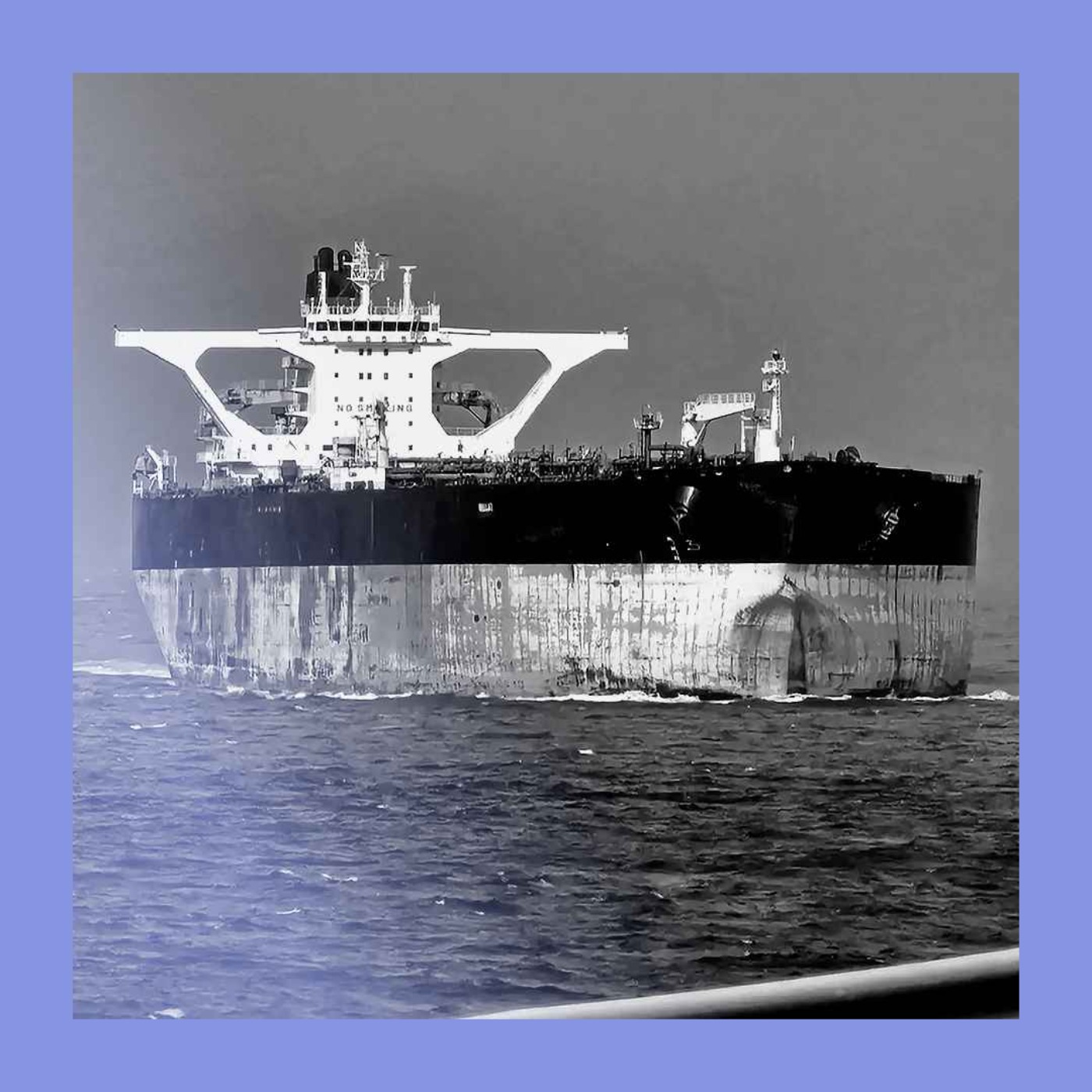
Nations like Russia and Iran utilize a "shadow fleet" of tankers to bypass international sanctions. These ships engage in clandestine activities, such as broadcasting false location data ("spoofing") and making illegal flag changes, forming what one official called a "Russian-Iranian axis of sanctions evasion."
Beyond historical objectives of weakening alliance cohesion and creating doubt around NATO's Article 5 commitment, Russia's recent hybrid escalation carries a direct tactical objective. Because the United States halted security assistance to Ukraine, European nations stepped up to fill the void. Julianne Smith explains that Moscow is intentionally carrying out hybrid attacks across Europe to demonstrate that continued military support for Ukraine comes with steep domestic risks and costs.
Recognizing Russia's high tolerance for military casualties, Ukraine has shifted its strategy to asymmetric economic warfare. By systematically using long-range drones to attack Russian oil refineries and tankers, Ukraine aims to inflict financial pain where the human cost of war has failed to be a deterrent, creating what they call "the real sanctions."

Paradoxically, by only hardening defenses and not retaliating against Russia's "grey zone" attacks, Europe fails to establish deterrence. This inaction may embolden Russia to continue escalating until a catastrophic miscalculation triggers a major conflict.

Russia has escalated its economic warfare by targeting ships directly, not just port infrastructure. This has shattered shippers' risk appetite, effectively making Ukrainian ports "commercially dead." The strategy threatens a massive agricultural crisis, with 50 million tons of harvest at risk of being stranded.
Instead of pure defense, a proactive, alliance-based 'counter-coercion' strategy is needed. This involves sharing industrial intelligence to identify and hold an adversary's own economic choke points at risk, creating a credible threat of retaliation that deters them from using economic coercion in the first place.

While NATO has improved at fast attribution, system recovery, and maritime monitoring, it lacks an effective deterrent strategy. Julianne Smith argues that treating hybrid attacks as isolated incidents on a case-by-case basis prevents the alliance from imposing meaningful consequences. Without aggregating these incidents into identifiable patterns of aggression that trigger collective allied retaliation, Russia receives a continuous signal that it can escalate hybrid operations without paying a price.