Get your free personalized podcast brief
We scan new podcasts and send you the top 5 insights daily.
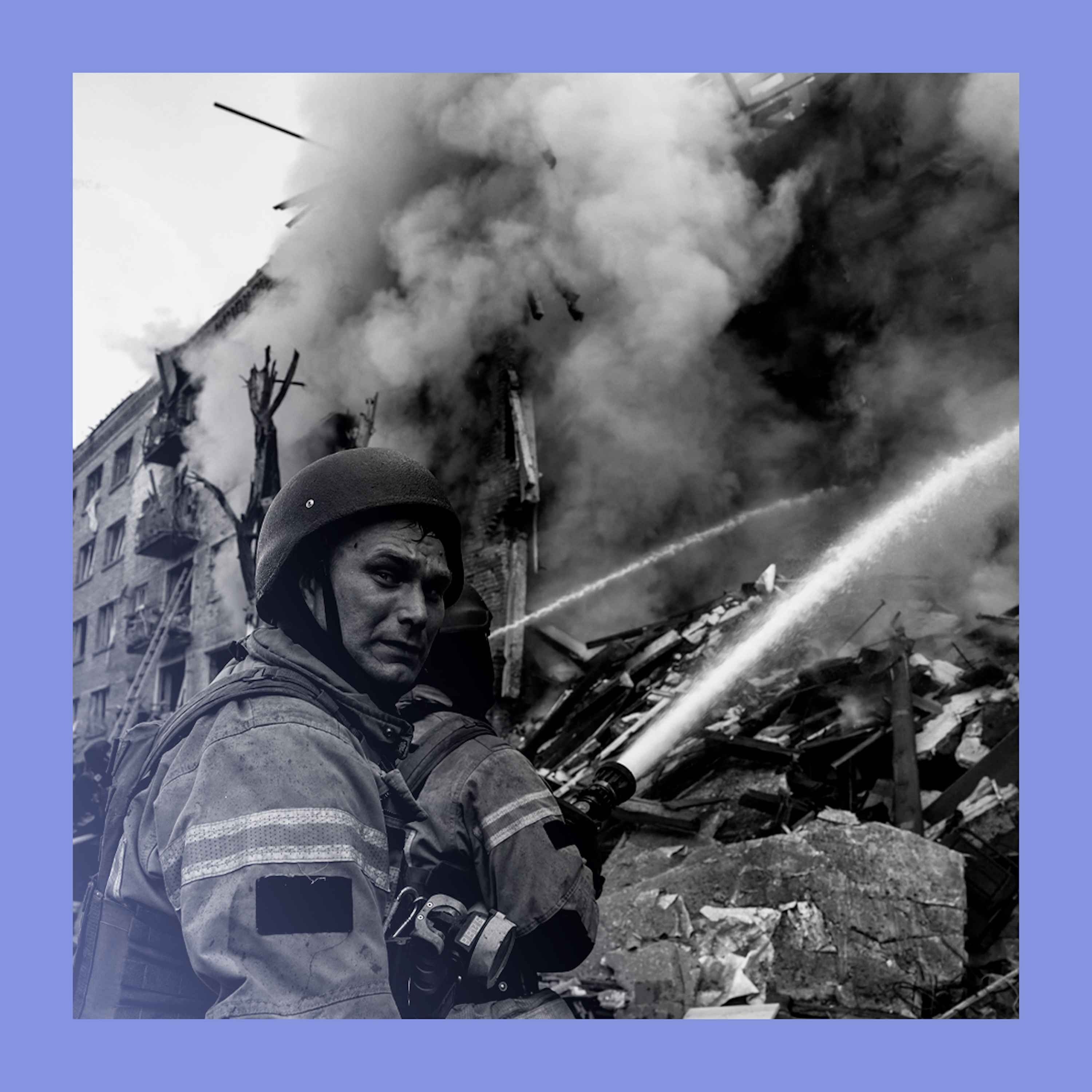
Beyond historical objectives of weakening alliance cohesion and creating doubt around NATO's Article 5 commitment, Russia's recent hybrid escalation carries a direct tactical objective. Because the United States halted security assistance to Ukraine, European nations stepped up to fill the void. Julianne Smith explains that Moscow is intentionally carrying out hybrid attacks across Europe to demonstrate that continued military support for Ukraine comes with steep domestic risks and costs.
Related Insights
The next escalation in the Russia-NATO conflict won't be conventional warfare but an expansion of the current "shadow war." This involves asymmetric tactics like cyberattacks, destroying undersea cables, using drones in allied airspace, and funding vandalism of critical infrastructure to divide and destabilize European allies from within.

When Germany attributed explosive drones at Leipzig airport to the Russian state, Berlin chose not to invoke Article 4 emergency consultations at NATO, preferring to manage the incident bilaterally. Julianne Smith highlights that European allies' hesitance to activate alliance mechanisms—stemming partly from fears that the U.S. might dismiss Article 5 contingencies—risks signaling to Moscow that NATO members are afraid to test allied collective security in response to gray-zone aggression.
The narrative that Trump successfully pressured Europe to rearm is misleading. The primary motivation for increased European defense spending is the direct, escalating military threat from Russia, including sabotage and attacks on European soil. Trump's unreliability as an ally is a contributing factor, not the root cause.

Julianne Smith notes Russian hybrid warfare has shifted dramatically from proxy operations reliant on plausible deniability to brazen, near-kinetic strikes, such as explosive-laden drones hitting Leipzig airport. Russia is no longer attempting to conceal responsibility, challenging the line between sub-threshold hybrid harassment and conventional kinetic warfare that could potentially trigger a NATO Article 5 collective defense response.
Paradoxically, by only hardening defenses and not retaliating against Russia's "grey zone" attacks, Europe fails to establish deterrence. This inaction may embolden Russia to continue escalating until a catastrophic miscalculation triggers a major conflict.

Even when Russian drones or jets enter NATO airspace by "accident," it is not a mistake but a deliberate policy. Choosing to operate pilots and missile systems with a high tolerance for error is a form of calculated recklessness. This tactic applies constant pressure on Europe and signals a high-risk appetite without firing a shot.

While NATO has improved at fast attribution, system recovery, and maritime monitoring, it lacks an effective deterrent strategy. Julianne Smith argues that treating hybrid attacks as isolated incidents on a case-by-case basis prevents the alliance from imposing meaningful consequences. Without aggregating these incidents into identifiable patterns of aggression that trigger collective allied retaliation, Russia receives a continuous signal that it can escalate hybrid operations without paying a price.
Russia's provocations are designed to create dilemmas for European nations, forcing them to question whether the US would support a kinetic response. This uncertainty weakens the transatlantic alliance and strengthens Russia's psychological position for future negotiations over Ukraine and European security.
Europe faces a dual threat: an aggressive Russia waging hybrid warfare on its eastern flank, and a Trump-led America that actively prefers a fragmented, weaker Europe. A disunified EU allows the U.S. to cut more favorable bilateral deals, leaving Europe vulnerable from both sides without its traditional transatlantic security guarantee.
Contrary to widespread fears that European support for Ukraine would wane, resolve has actually stiffened. Europe has stepped up to replace American financial aid and has become an increasingly vital security partner, demonstrating a surprising resilience and commitment to the conflict despite its long duration.