Get your free personalized podcast brief
We scan new podcasts and send you the top 5 insights daily.
A global conflict may already be underway, evidenced by the US military seizing 'shadow fleet' oil tankers linked to Russia and Iran. These actions, part of operations like 'Southern Spear,' are designed to control global energy flows and represent a significant, undeclared escalation.

Related Insights
By attacking just a few ships, Iran creates enough perceived risk to make insurance carriers unwilling to cover vessels transiting the Strait of Hormuz. This effectively disrupts 20% of the world's oil supply without needing a large-scale military blockade, a key tactic in asymmetric economic warfare.

The recent conflicts in Iran and Venezuela can be framed as a covert economic war against China. Since China buys 90% of Iran's oil and relies on Venezuela's supply, US actions disrupting these nations directly target China's energy security and serve as a tool of economic containment.

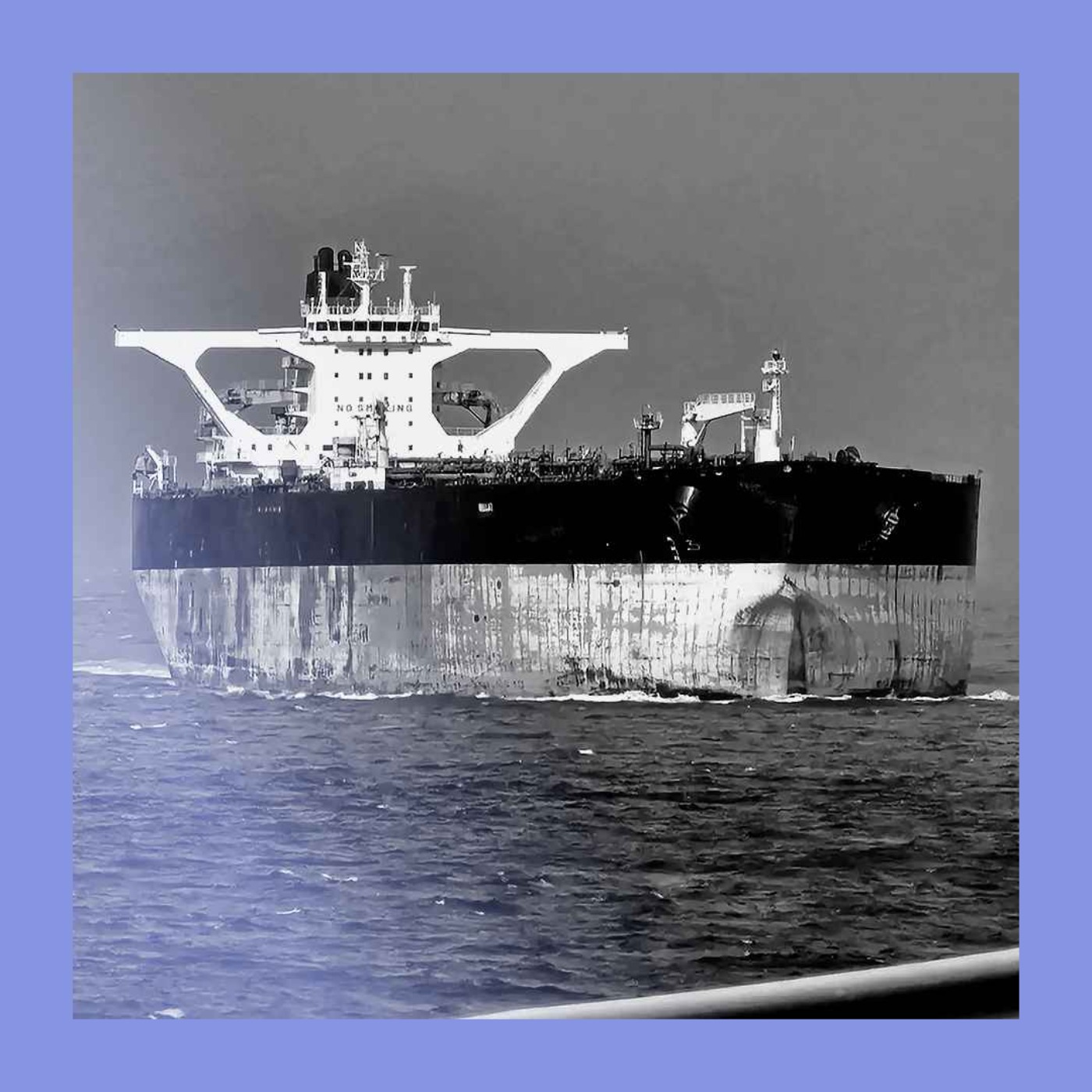
Nations like Russia and Iran utilize a "shadow fleet" of tankers to bypass international sanctions. These ships engage in clandestine activities, such as broadcasting false location data ("spoofing") and making illegal flag changes, forming what one official called a "Russian-Iranian axis of sanctions evasion."
US sanctions on Russian LNG facilities are not primarily about punishing Russia for Ukraine, but are a strategic move in a global "LNG war." The US is using LNG as a tool of foreign policy and national security, meaning these sanctions are unlikely to be lifted even with a peace deal.

Iran's victory condition isn't military dominance but strategic disruption. By using asymmetric warfare—mines, drones, and missiles—to create chaos in the Strait of Hormuz, it can halt the flow of oil. This cracks the petrodollar system and achieves its primary geopolitical objective without needing to defeat the US Navy in a conventional battle.

Military strikes against Iranian assets are insufficient for the US to claim victory. The conflict's true endgame hinges on controlling maritime traffic in the Strait of Hormuz, as this economic chokepoint represents Iran's ultimate leverage and prevents a US declaration of success.

US sanctions do not automatically grant the right to seize ships on the high seas. The legal basis for capturing the "Bella One" tanker stemmed from its status as a "stateless" vessel under international maritime law, after it flew a false flag and attempted an illegal mid-voyage flag change.
The US is disrupting China's oil supply from Iran and Venezuela (which accounts for ~20% of its imports) to gain a stronger negotiating position ahead of major talks. This frames the conflict as a geopolitical chess move rather than just a regional issue.

We are in a distinct global conflict that is economic, military, and strategic. Major world powers are actively competing for control of essential resources like precious metals and energy, shifting the economic landscape away from a normal cycle towards a long-term, secular trend of deglobalization and conflict.

Despite significant military losses, Iran is successfully leveraging its control over the Strait of Hormuz. This asymmetric strategy chokes global energy markets, creating economic pain that Western nations may be less willing to endure than Iran, potentially snatching a strategic victory from a tactical defeat.
