Get your free personalized podcast brief
We scan new podcasts and send you the top 5 insights daily.
Russia has escalated its economic warfare by targeting ships directly, not just port infrastructure. This has shattered shippers' risk appetite, effectively making Ukrainian ports "commercially dead." The strategy threatens a massive agricultural crisis, with 50 million tons of harvest at risk of being stranded.
Related Insights
By attacking just a few ships, Iran creates enough perceived risk to make insurance carriers unwilling to cover vessels transiting the Strait of Hormuz. This effectively disrupts 20% of the world's oil supply without needing a large-scale military blockade, a key tactic in asymmetric economic warfare.

During disruptions like the Strait of Hormuz closure, the primary financial risk isn't the headline-grabbing price volatility. It's the tens of billions in working capital frozen in stationary ships, halting the velocity of money that underpins the entire trade finance ecosystem.

Major container lines will divert entire fleets on longer, more expensive routes around continents based solely on the threat of attack, as seen with the Houthis in the Red Sea. The perception of risk, not just the occurrence of incidents, is a primary driver of costly, system-wide disruptions in logistics.
Iran doesn't need a naval blockade to close the Strait of Hormuz. The mere threat of drone and missile attacks is enough to deter shippers and insurers, creating a "de facto closure." This asymmetrical strategy highlights how psychological warfare can be as effective as direct military action in disrupting global trade.
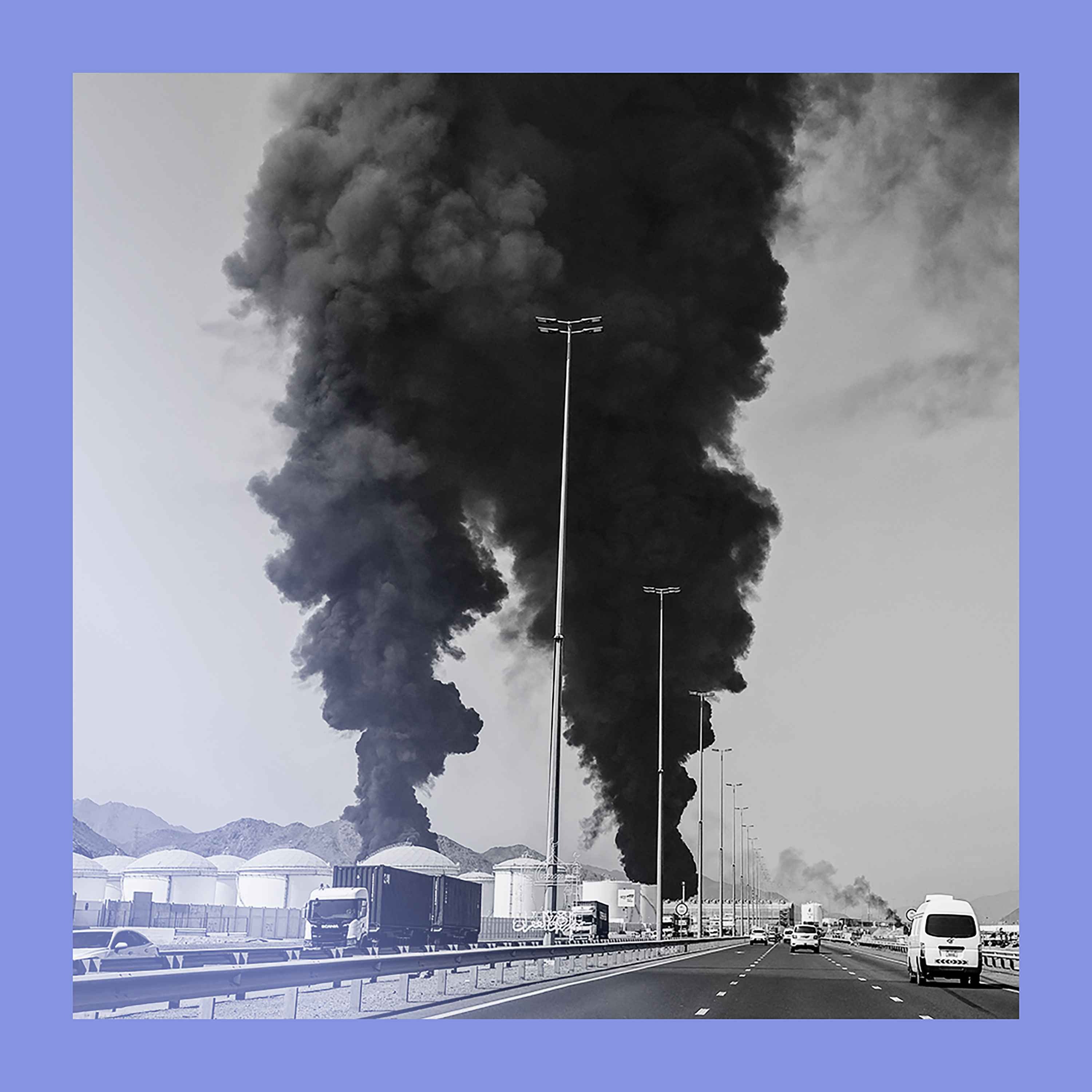
Recognizing Russia's high tolerance for military casualties, Ukraine has shifted its strategy to asymmetric economic warfare. By systematically using long-range drones to attack Russian oil refineries and tankers, Ukraine aims to inflict financial pain where the human cost of war has failed to be a deterrent, creating what they call "the real sanctions."

Food is not subject to international sanctions, even during wartime. Investors learned they could legally buy Russian wheat during the Ukraine conflict. The initial price surge was caused by shipping and insurance risk premiums, not a trade embargo, explaining the subsequent price normalization.
Ukraine is observing how Iran uses its control over a strategic chokepoint to gain global leverage. This could inspire Ukraine to shift from targeting domestic Russian infrastructure to attacking critical oil and petrochemical export hubs to force the world's attention.

In response to losing control of Panama Canal ports, China is using "informal directives" to detain Panamanian-flagged ships. This elegant form of economic warfare creates costly delays in global trade, demonstrating leverage without overt military action.

Iran employs inexpensive weapons against shipping in the Strait of Hormuz. This asymmetric strategy avoids direct military confrontation while making the risk too high for insured commercial vessels, effectively closing the strait without a formal blockade.

The true vulnerability in the Strait of Hormuz is not the sinking of a destroyer but the fragility of the global financial system. Skyrocketing insurance rates and force majeure clauses in contracts can halt global trade far more effectively and immediately than a direct military attack.
