Get your free personalized podcast brief
We scan new podcasts and send you the top 5 insights daily.
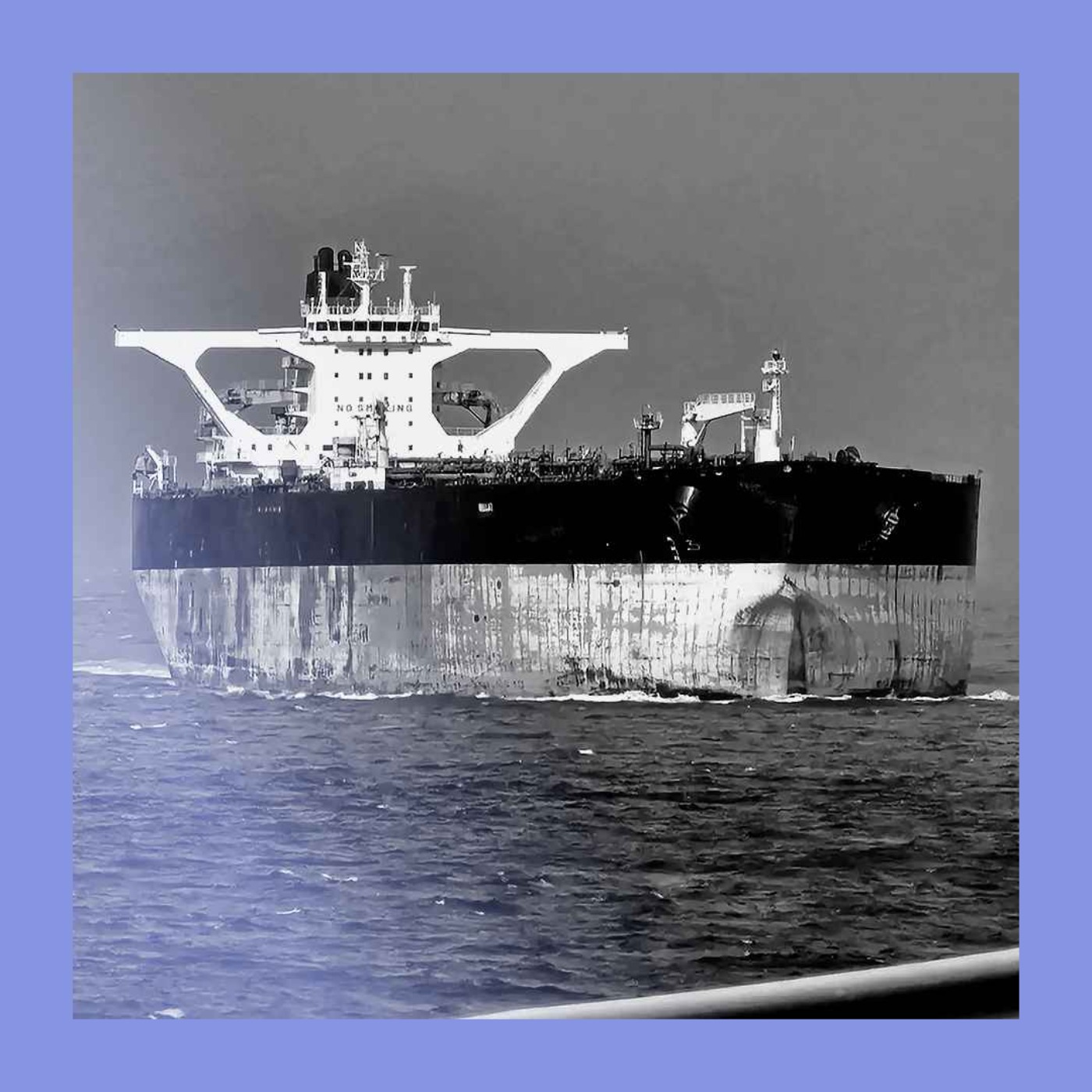
Nations like Russia and Iran utilize a "shadow fleet" of tankers to bypass international sanctions. These ships engage in clandestine activities, such as broadcasting false location data ("spoofing") and making illegal flag changes, forming what one official called a "Russian-Iranian axis of sanctions evasion."
Related Insights
To circumvent sanctions on its oil-based economy, Iran has boosted agricultural exports. It now supplies 90% of the cauliflowers, tomatoes, and watermelons imported by the United Arab Emirates, demonstrating a strategic economic pivot to maintain revenue streams amid international pressure.

The most significant sanctions loophole isn't physical chip smuggling but 'compute smuggling.' Chinese firms establish shell companies to build and operate data centers in neutral countries like Malaysia. They then access this cutting-edge compute power remotely, completely bypassing physical import restrictions on advanced hardware.

Sanctions on major Russian oil companies don't halt exports but instead push them into opaque channels. Russia uses independent traders and restructured ownership to create "unknown" cargos, removing sanctioned company names from documents. This model, proven with smaller firms, maintains export volumes while obscuring the oil's origin.

The core vulnerability enabling shadow fleets is the international "flag state" system. Opportunists create fake online registries for non-existent or uninhabited territories, such as a rock in the Pacific, allowing vessels to operate with impunity in international waters.
Russia has dramatically shifted its oil trade away from the U.S. dollar, with only 5% of exports now settled in USD, down from 55% in 2022. While this circumvents direct financial sanctions, Russia remains vulnerable as key logistics like freight and insurance are still dollar-linked, increasing costs and complexity.
Recognizing Russia's high tolerance for military casualties, Ukraine has shifted its strategy to asymmetric economic warfare. By systematically using long-range drones to attack Russian oil refineries and tankers, Ukraine aims to inflict financial pain where the human cost of war has failed to be a deterrent, creating what they call "the real sanctions."

Indian refiners are likely to reduce direct purchases from sanctioned Russian entities like Rosneft. This is driven less by the sanctions themselves and more by the desire to protect their reputation and maintain access to the global financial system. The precedent set with Iran, where official imports dropped to zero, suggests a similar pattern.
The primary impact of U.S. sanctions on Russian oil is not a reduction in supply but a compression of profit margins. Russia is forced to offer deeper discounts, estimated at $3-$5 per barrel below pre-sanction levels, to compensate buyers for increased logistical and financial risks, ensuring export flows remain stable.
US sanctions do not automatically grant the right to seize ships on the high seas. The legal basis for capturing the "Bella One" tanker stemmed from its status as a "stateless" vessel under international maritime law, after it flew a false flag and attempted an illegal mid-voyage flag change.
Illicit maritime operations are increasingly run by opportunistic, international middlemen serving multiple clients, not just Russia or China. This for-profit model, motivated by money rather than ideology, complicates attribution and enforcement efforts by Western governments.