Get your free personalized podcast brief
We scan new podcasts and send you the top 5 insights daily.
Research shows the primary driver of suicide terrorism is not religion but the military occupation of territory a group considers its homeland. A US ground operation to seize a port, even a small one, would create the conditions for a mass casualty suicide attack campaign against Americans globally.

Related Insights
The synagogue attacker was reportedly motivated by revenge for his children killed in an Israeli airstrike. This highlights how foreign conflicts directly create domestic security threats by radicalizing individuals who feel personally victimized by those actions, creating a predictable cycle of violence.

The predicted US strategy for Iran involves deploying ground troops not for a full-scale invasion, but to establish forward operating bases. These bases would arm and train ethnic minority insurgents, creating internal chaos that forces the Iranian military out of its mountain hideouts.

Constant military pressure and assassinations remove any disincentive for Iran to pursue nuclear weapons. When a regime is already being attacked, acquiring a nuclear deterrent becomes its most logical and effective path to survival, mirroring North Korea's strategy.

The death of US soldiers creates a political trap. Instead of forcing withdrawal, casualties often lead to a "sunk cost" mentality where supporters double down, arguing the troops cannot have "died for nothing." This dynamic, seen in Vietnam, makes disengagement far more difficult.

The bombing campaign, aimed at regime change, could be counterproductive. Prior to the conflict, Iran's regime was seen as unpopular and frail, potentially heading for collapse or moderation. The external attack risks creating a rally-round-the-flag effect, allowing the regime to consolidate power where mere survival becomes a victory.
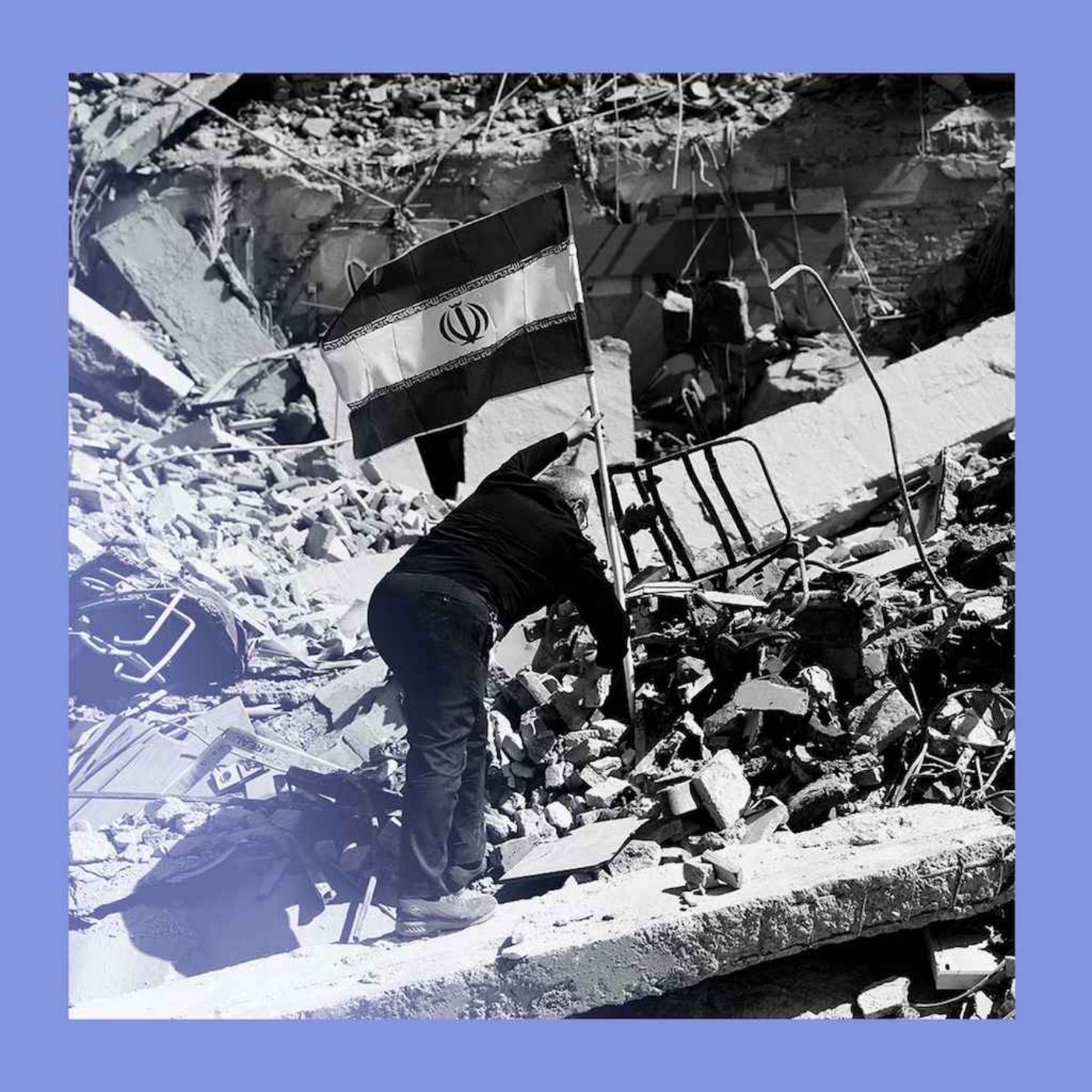
Destroying Iran's conventional military without toppling the regime could create a cornered, vengeful state. Lacking other options and led by a leader whose father was just killed, it might turn to asymmetric warfare like terrorism to retaliate for its humiliation and losses.

The eschatological plan requires removing the American empire, which is not part of the prophecy. By provoking a costly, Vietnam-style ground war in Iran, extremists believe they can trigger a draft, civil unrest, and force America to retreat from the Middle East entirely.

Military strikes on industrial targets, while tactically successful, often energize the targeted population and regime. This creates political backlash that overwhelms the military effects, ultimately making the adversary stronger and more unified, as was seen in Vietnam.
Regimes like Iran and groups like Hamas define self-destruction as a form of victory. To achieve traditional political goals against such an ideology, democracies must be prepared to use an overwhelming and morally challenging level of force, mirroring the use of atomic bombs against Imperial Japan.
![Darren Farber on Iran, China, and the Rise of Neoprimes - [Invest Like the Best, EP.474] thumbnail](https://megaphone.imgix.net/podcasts/ef669774-cccd-11ed-889b-c36caad6646f/image/158efdddfb983d2678b3530d484e8aa2.jpg?ixlib=rails-4.3.1&max-w=3000&max-h=3000&fit=crop&auto=format,compress)
Previously a remote possibility, direct military intervention in Iran creates a scenario where an unconditional surrender is demanded. This leaves Iran with little to lose, making the use of a nuclear weapon a logical defensive step, likely delivered via a cargo ship to a major US port.
