Get your free personalized podcast brief
We scan new podcasts and send you the top 5 insights daily.
The predicted US strategy for Iran involves deploying ground troops not for a full-scale invasion, but to establish forward operating bases. These bases would arm and train ethnic minority insurgents, creating internal chaos that forces the Iranian military out of its mountain hideouts.

Related Insights
Iran counters the US "shock and awe" strategy by decentralizing its military command across 31 provinces. This "mosaic strategy" ensures there is no single 'head of the snake' to target, making a swift decapitation strike impossible and forcing a prolonged conflict.
US foreign policy has often oscillated between total inaction (Syria) and large-scale occupation (Iraq). Trump's strategy in Iran—using targeted, surgical force without committing to a ground invasion or nation-building—could represent a new, albeit risky, 'third way' for military engagement.

Donald Trump's aggressive rhetoric was not just bluster but a calculated strategy to justify a three-week bombing campaign. This aerial assault was designed to soften Iranian defenses before deploying US ground troops, framing the speech as a declaration of intent rather than a negotiation tactic.

Destroying Iran's conventional military without toppling the regime could create a cornered, vengeful state. Lacking other options and led by a leader whose father was just killed, it might turn to asymmetric warfare like terrorism to retaliate for its humiliation and losses.

An unintended consequence of the conflict could be the ethnic fragmentation of Iran. With only 60% of the population being Persian, the external pressure and internal chaos could cause the country to disintegrate into ethnic conflict and civil war, creating a far greater humanitarian and geopolitical crisis.
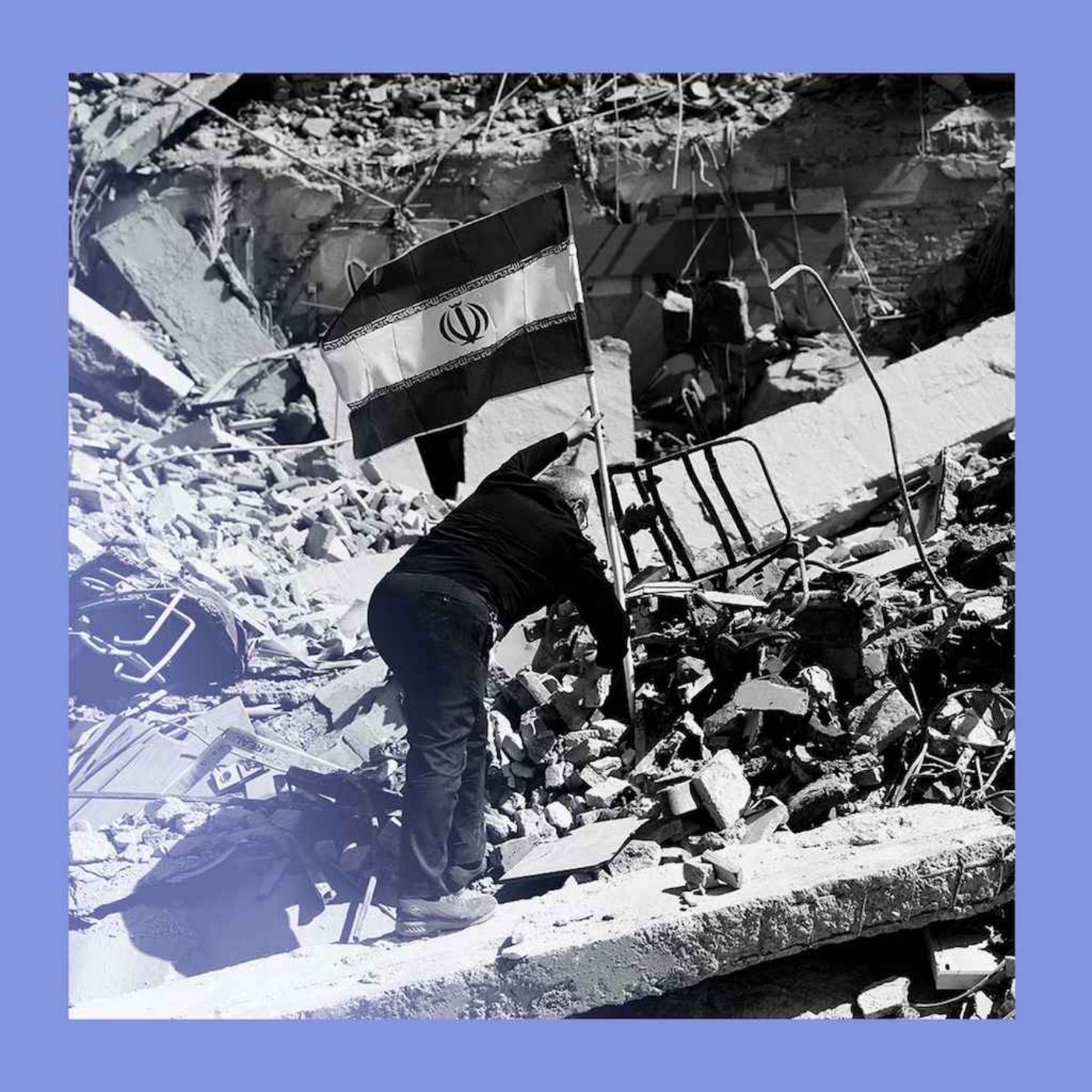
The conflict progresses through predictable stages: 1) US bombs, strengthening the regime; 2) Iran retaliates by taking the Strait of Hormuz; 3) US considers a ground war. This creates a trap where each step leads to a fork between a ground war or Iran's rise as a world power.

The hope that airstrikes can catalyze a popular uprising for regime change is historically unfounded. Unlike in Afghanistan or Libya where local ground forces existed, there is no organized army on the ground in Iran to capitalize on air power, making a decapitation strategy highly unlikely to succeed.
Despite widespread discontent, the Iranian opposition is leaderless, disorganized, and lacks a clear plan for seizing power. A successful revolution would require external military support to neutralize the regime's security forces, such as the Basij militia, and guide the effort.
The US approach to Iran is not traditional regime change with ground troops. Instead, it involves targeted strikes to eliminate key leaders ("decapitation"), creating a power vacuum with the hope that the already revolutionary-minded Iranian public will topple the government from within.

Israeli officials now openly state regime change in Iran is their goal. However, their strategy is not a direct overthrow but rather to target Iran's internal "suppression" forces. By removing the regime's tools to quell dissent, they aim to create an opportunity for the Iranian people to rise up themselves.