Get your free personalized podcast brief
We scan new podcasts and send you the top 5 insights daily.
Previously a remote possibility, direct military intervention in Iran creates a scenario where an unconditional surrender is demanded. This leaves Iran with little to lose, making the use of a nuclear weapon a logical defensive step, likely delivered via a cargo ship to a major US port.

Related Insights
Constant military pressure and assassinations remove any disincentive for Iran to pursue nuclear weapons. When a regime is already being attacked, acquiring a nuclear deterrent becomes its most logical and effective path to survival, mirroring North Korea's strategy.

Iran's strategy is not purely defensive. It is actively trying to escalate the conflict and draw in more countries by targeting other nations, such as firing a missile towards Turkey, a NATO member. This tactic aims to increase the political and military cost for the United States.

Destroying Iran's conventional military without toppling the regime could create a cornered, vengeful state. Lacking other options and led by a leader whose father was just killed, it might turn to asymmetric warfare like terrorism to retaliate for its humiliation and losses.

Before the conflict, Iran maintained a "credible but not actual" nuclear program as a deterrent. By assassinating the supreme leader and launching an air war, the US has proven this strategy insufficient, forcing Iran to pursue an actual nuclear weapon for survival.
The specific targeting choices in the initial Iran strikes—leadership, navy warships, and military infrastructure—suggest the primary goal is economic control, specifically securing the Strait of Hormuz. Had the true objective been nuclear deterrence, the focus would have been on destroying nuclear facilities, which was not the case.

Despite overwhelming military force, the US lacks a clear, singular objective in its war with Iran. With at least five distinct goals—from targeting nuclear and missile programs to regime change and settling historical scores—it's unclear what constitutes victory, making the application of force dangerously unfocused.
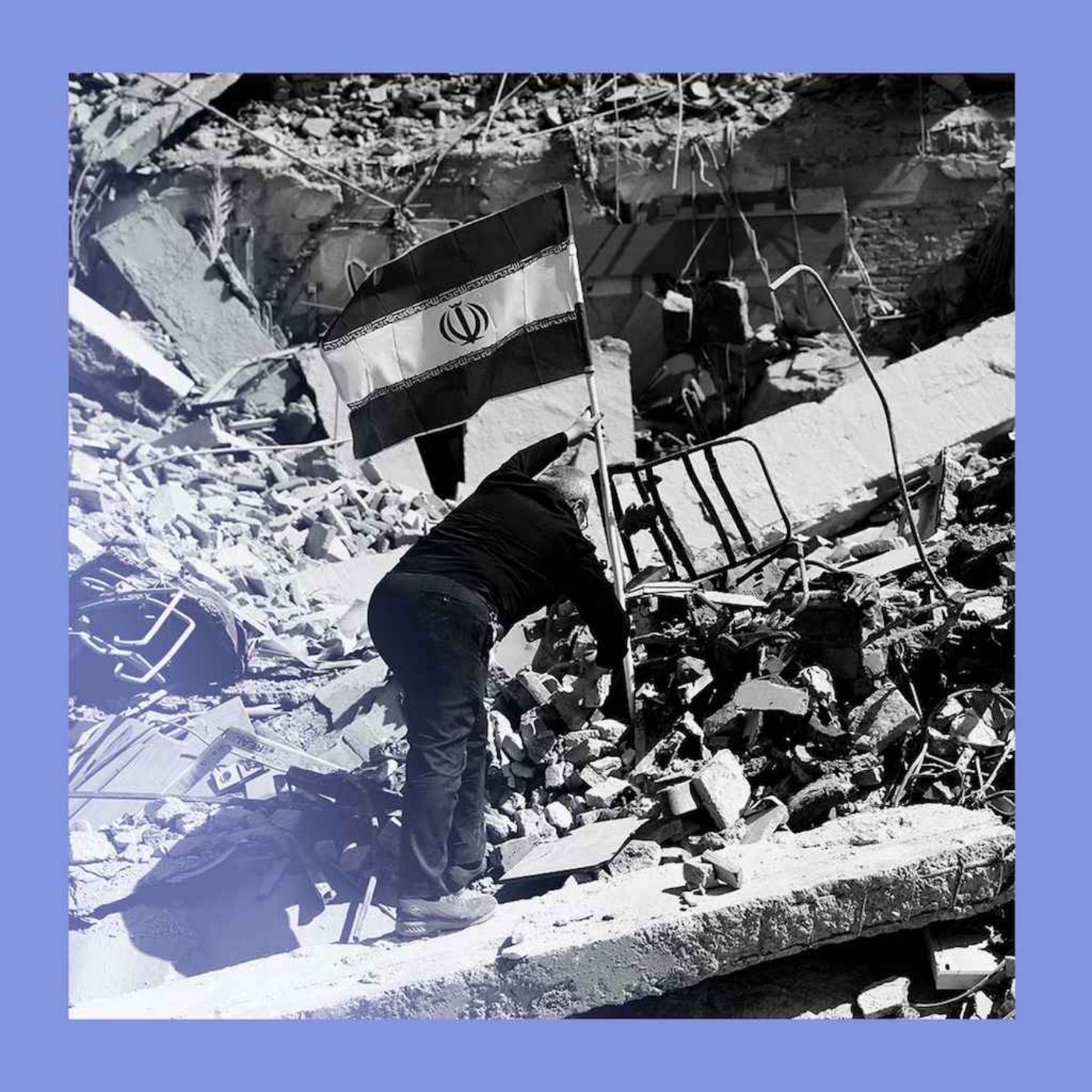
Iran is caught in a strategic dilemma: claiming to be close to a nuclear weapon invites a preemptive US strike, while admitting weakness could embolden internal protest movements. This precarious balance makes their public statements highly volatile and reveals a fundamental vulnerability.

Iran's goal isn't a surprise attack, but achieving nuclear immunity. This involves developing several bombs at once, then conducting a series of public tests to demonstrate a robust and survivable nuclear capability, thereby preventing preemptive strikes, as North Korea successfully did.
Instead of only retaliating directly against a superior military power like the U.S., Iran escalates "horizontally." It uses drones and missiles to attack the economic interests (tourism, airports) of U.S. allies, pressuring them to expel American forces from their countries.
Iran's attacks on Gulf states are a calculated strategy to distribute the conflict's costs. By disrupting commerce, tourism, and daily life across the region, Tehran hopes to generate enough pressure from Gulf leaders on the US to end the war with security guarantees for Iran.