Get your free personalized podcast brief
We scan new podcasts and send you the top 5 insights daily.
The death of US soldiers creates a political trap. Instead of forcing withdrawal, casualties often lead to a "sunk cost" mentality where supporters double down, arguing the troops cannot have "died for nothing." This dynamic, seen in Vietnam, makes disengagement far more difficult.

Related Insights
An act of aggression can become so popular domestically that leaders feel compelled to see it through, even if initially intended as a negotiating tactic. The Argentine junta found the Falklands invasion was "the most popular thing they'd ever done," trapping them in a conflict they couldn't easily abandon.

A president who campaigned against 'forever wars' can be trapped by the political need for a clear victory. If a diplomatic off-ramp isn't found quickly, the pressure to escalate increases, ironically risking the very type of prolonged conflict they opposed.
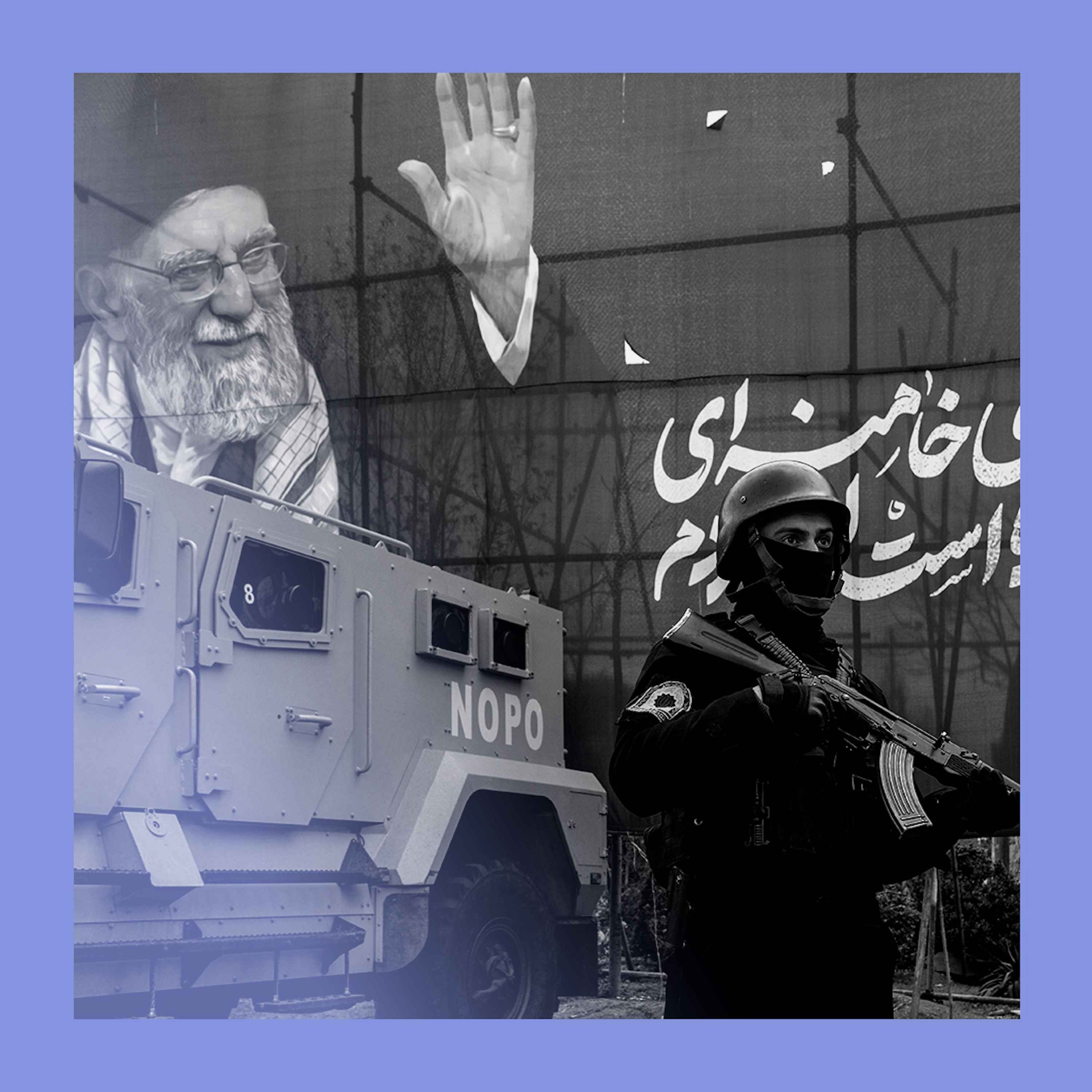
Unlike nations that have historically endured massive losses, the United States has a low willingness to suffer casualties, which is a strategic vulnerability. Adversaries understand that American political will for a prolonged conflict is fragile and can be broken by simply waiting out the initial shock and absorbing blows.
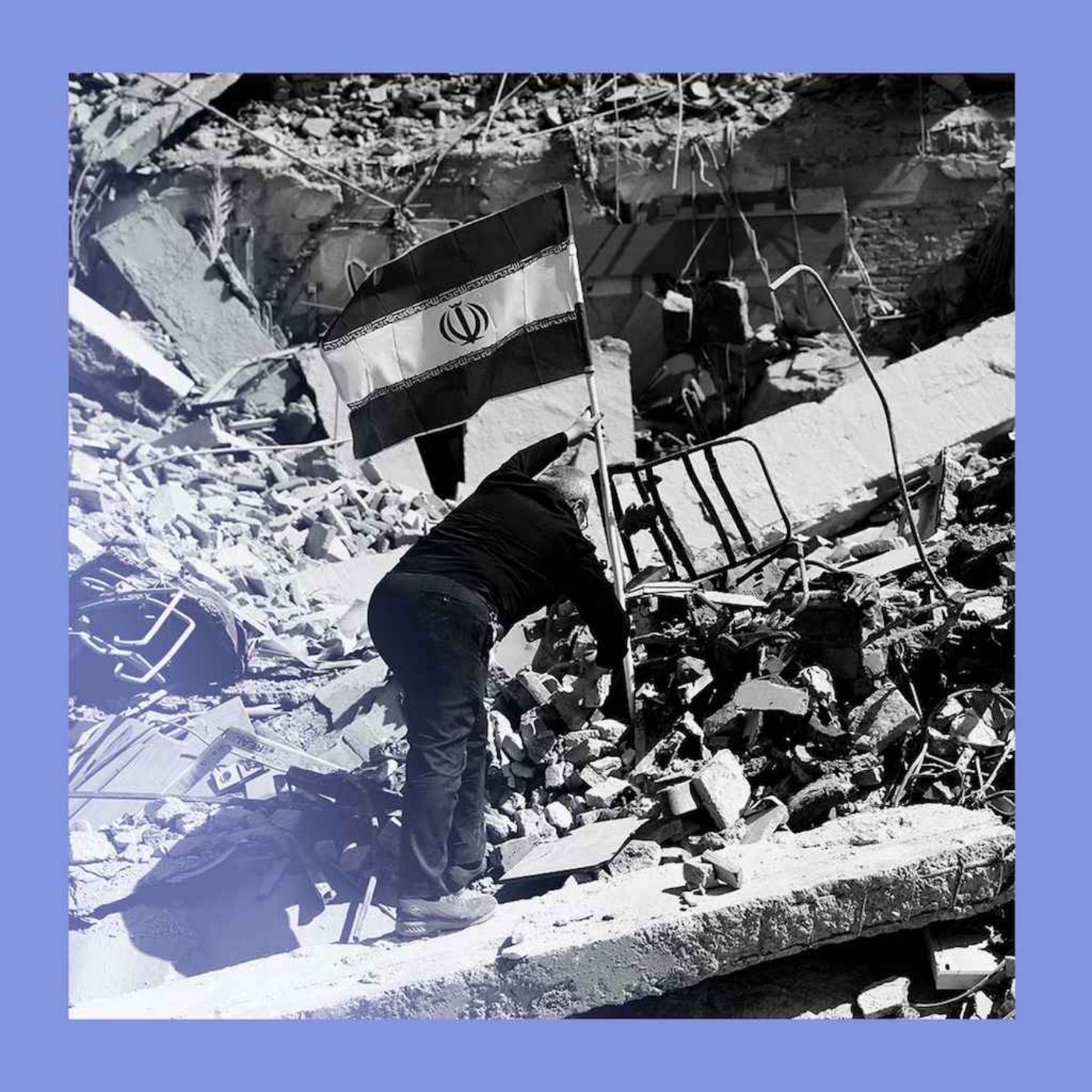
The bombing campaign, aimed at regime change, could be counterproductive. Prior to the conflict, Iran's regime was seen as unpopular and frail, potentially heading for collapse or moderation. The external attack risks creating a rally-round-the-flag effect, allowing the regime to consolidate power where mere survival becomes a victory.
When a leader initiates a conflict, an exit that leaves the situation worse than before is politically untenable. This dynamic creates immense pressure to avoid withdrawal and instead escalate involvement, as backing out becomes "political suicide."

The host critiques Trump's premature declarations of victory in Iran, citing historical examples like Afghanistan where superpowers become trapped in unwinnable conflicts against insurgents. This highlights the dangerous gap between effective political messaging and complex military realities.

The political precedent set by the Bush administration—convincing Americans they can have both major wars and tax cuts—has disconnected the public from the true costs of conflict. This mindset makes it easier for governments to enter into tremendously expensive, multi-trillion-dollar quagmires without clear objectives or public accountability for the fiscal trade-offs.

The hosts describe how quickly public support for the Iran conflict evaporated, terming it a "dramatic vibe shift." This demonstrates the extreme fragility of political capital for major actions. Perceived incompetence can cause a supportive narrative to collapse in just 48 hours, long before strategic objectives can be met.
Military strikes on industrial targets, while tactically successful, often energize the targeted population and regime. This creates political backlash that overwhelms the military effects, ultimately making the adversary stronger and more unified, as was seen in Vietnam.
Iran's strategy isn't a quick military victory but a war of attrition. By accepting a long timeline and inflicting small but consistent damage, it aims to erode US domestic support for the war, especially in an election year, and outlast the current administration.
