Get your free personalized podcast brief
We scan new podcasts and send you the top 5 insights daily.
The eschatological plan requires removing the American empire, which is not part of the prophecy. By provoking a costly, Vietnam-style ground war in Iran, extremists believe they can trigger a draft, civil unrest, and force America to retreat from the Middle East entirely.

Related Insights
Iran's strategy is not purely defensive. It is actively trying to escalate the conflict and draw in more countries by targeting other nations, such as firing a missile towards Turkey, a NATO member. This tactic aims to increase the political and military cost for the United States.

Rational analysis is insufficient for understanding the Middle East. A powerful minority of 'Christian Zionists' in the US believe they must accelerate a divine plan, including rebuilding the Third Temple in Jerusalem, to trigger Jesus's return. This religious script actively shapes foreign policy.
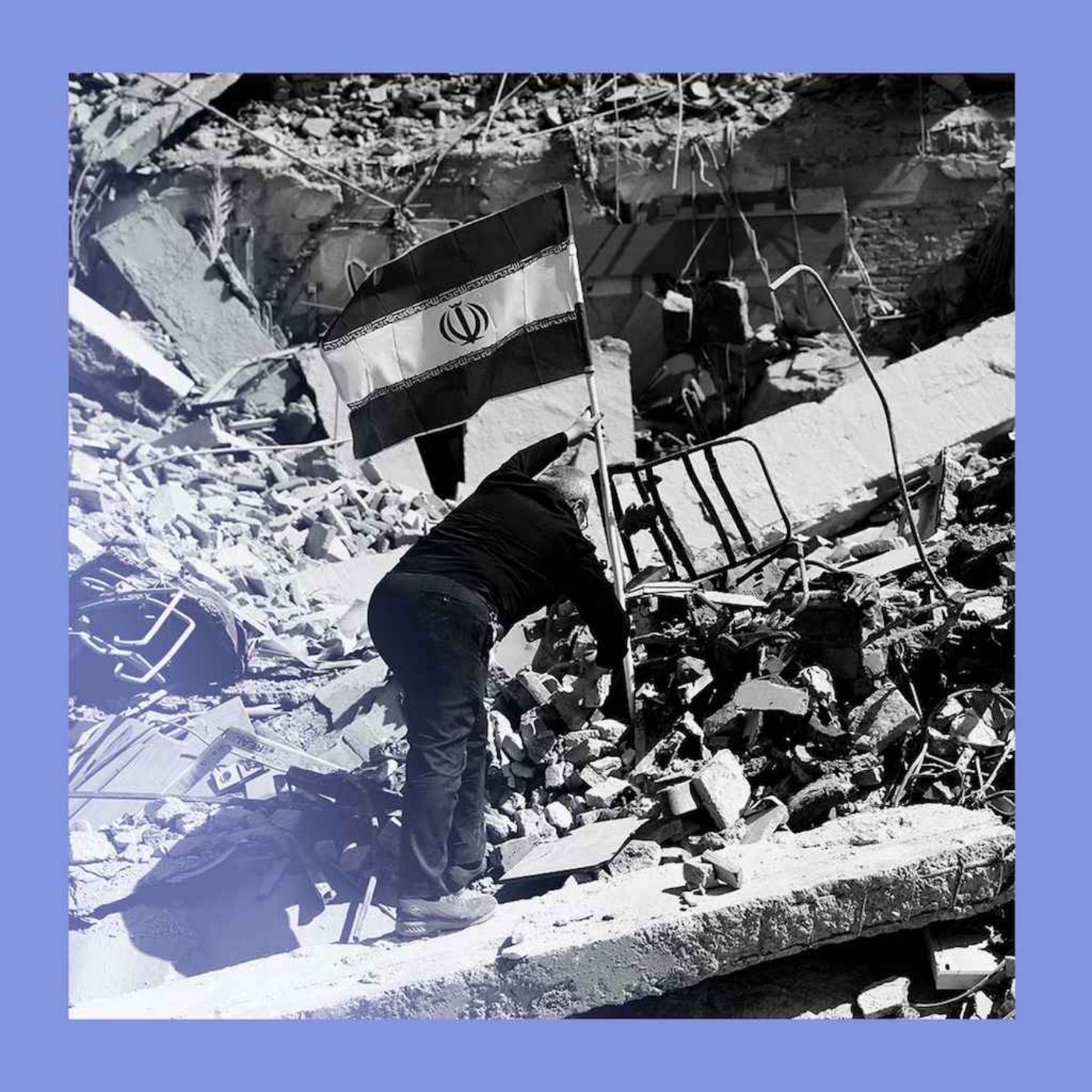
The bombing campaign, aimed at regime change, could be counterproductive. Prior to the conflict, Iran's regime was seen as unpopular and frail, potentially heading for collapse or moderation. The external attack risks creating a rally-round-the-flag effect, allowing the regime to consolidate power where mere survival becomes a victory.
The entire framework of nuclear deterrence relies on the assumption that all parties wish to avoid their own annihilation. This logic collapses when facing a jihadist regime that views death in holy war as a direct path to paradise, making it an absolute imperative to prevent them from acquiring nukes.

A major part of Trump's political brand was his opposition to costly, "endless wars" and nation-building. The large-scale military operation in Iran represents a complete departure from this philosophy, raising questions about what prompted such a fundamental and unexplained shift in his foreign policy.

The US is trapped. Withdrawing from Iran would signal imperial collapse, causing allies to defect and the dollar to fail. Therefore, leaders feel forced to double down and escalate, like a gambler chasing losses.

The Iranian Revolution was fueled by a Shia worldview centered on martyrdom, cosmic struggle between good and evil, and an apocalyptic final battle. U.S. policymakers, lacking any understanding of this religious framework, were completely unprepared for its political power.

Reza Pahlavi's strategy is not based on domestic uprising alone. He believes protestors are "sacrificial lambs" who cannot succeed without direct American military intervention, framing them as a "fort waiting for the cavalry." This dependence makes his plan vulnerable to US political shifts.

A long war with Iran would directly contradict a core promise to his voters: avoiding foreign entanglements. This betrayal, combined with economic fallout, would alienate his base and likely cause a Democratic sweep in the midterms, effectively ending his presidency.

A cynical but plausible US strategy is to provoke conflicts, like with Iran, and then withdraw. This forces regional allies such as Saudi Arabia and the UAE to manage the fallout by purchasing billions in American weaponry, creating a forced market for the defense industry.
