Get your free personalized podcast brief
We scan new podcasts and send you the top 5 insights daily.
Small brands cannot afford mass reach initially. An effective strategy is to own a sub-category (e.g., Fever-Tree with premium tonic, Chobani with Greek yogurt). This builds penetration, scale, and mental availability in a defined space before expanding to challenge incumbents.

Related Insights
New brands should resist targeting a broad audience. Instead, focus on a specific niche (e.g., Hyrox athletes for a health device) where the product's value is clearly demonstrable. This builds a strong story and credibility that can be leveraged for future expansion into other markets.

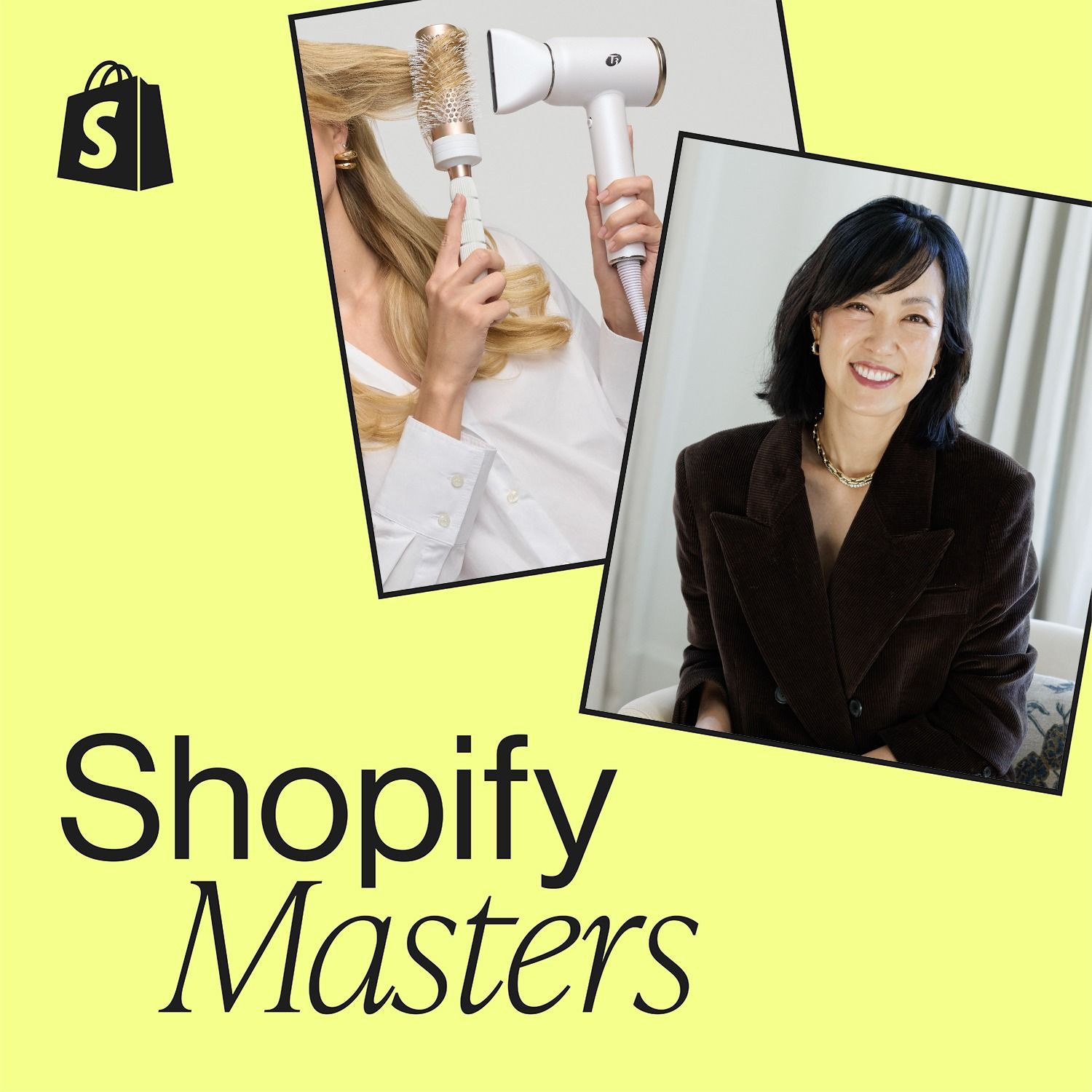
When large appliance companies like Dyson entered the premium hair tool market, T3 was initially intimidated. However, their massive marketing budgets raised overall category awareness and normalized higher price points. This repositioned T3 as an 'affordable luxury' and ultimately boosted their business, demonstrating that new competition can grow the pie for everyone.
Eric Ryan knew Method couldn't compete as just another cleaning brand against giants like P&G. Instead, he created the "premium home care" category, which blended design, sustainability, and fragrance. This prevented incumbents from simply extending their existing product lines to compete directly.

For new CPG products, a methodical go-to-market approach that builds momentum in one strategic channel before expanding is superior to a wide, initial push. This creates a steady, predictable growth curve and avoids massive spikes and crashes in demand and production.

Early-stage challenger brands should not be preoccupied with their competitors. The crucial first step is to focus internally on defining who you are and what you stand for. Differentiation becomes a natural byproduct of authentic self-expression.

When competing against a resourceful incumbent, a startup's key advantage is speed. Bizzabo outmaneuvered its rival during the pandemic by launching a virtual solution in weeks, not months. This agility allows challenger brands to seize market shifts that larger players are too slow to address.

Don't fear competitive "red oceans"; they signal huge demand. The winning strategy is to start in an artificially constrained niche (a puddle) where you can dominate. Once you're the biggest fish there, sequentially expand your market to a pond, then a lake, and finally the ocean.

The founders identified a mismatch between the modern, Gen Z pickle consumer on TikTok and the outdated, homogenous branding on store shelves. By targeting a neglected category with bold design and unique flavors, they faced less competition and stood out to both consumers and retail buyers.

When customers already use a similar product, don't just claim to be "better," as this keeps you in the same mental bucket. Instead, create a new sub-category (e.g., "legacy humidifiers" vs. "next-gen"). This forces the buyer to re-evaluate their needs against a new standard you define, separating you from the competition.

The best strategy is to capture a large share of a small, specific market and then expand into adjacent ones. Jeff Bezos deliberately started with books for a niche customer base, proving the model before scaling to become 'the everything store.'