Get your free personalized podcast brief
We scan new podcasts and send you the top 5 insights daily.
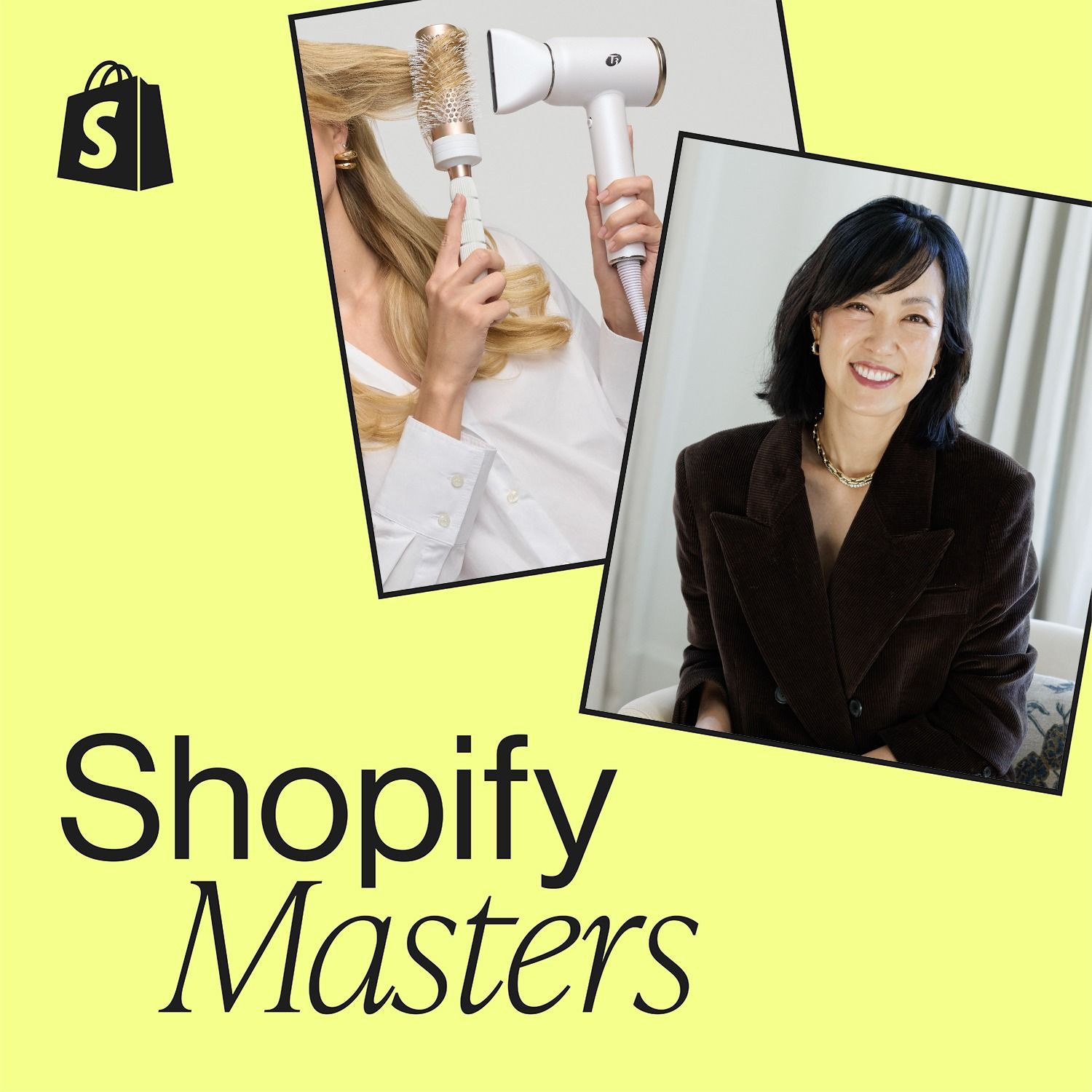
When large appliance companies like Dyson entered the premium hair tool market, T3 was initially intimidated. However, their massive marketing budgets raised overall category awareness and normalized higher price points. This repositioned T3 as an 'affordable luxury' and ultimately boosted their business, demonstrating that new competition can grow the pie for everyone.
Related Insights
Large companies often focus R&D on high-ticket items, neglecting smaller accessory categories. This creates a market gap for focused startups to innovate and solve specific problems that bigger players overlook, allowing them to build a defensible niche.

Intense competition forces companies to innovate their products and marketing more aggressively. This rivalry validates the market's potential, accelerates its growth, and ultimately benefits the entire ecosystem and its customers, rather than being a purely zero-sum game.

While many founders fear competitors, Michael Dubin views them as beneficial. He argues that rivals forced Dollar Shave Club to sharpen its brand identity and focus on its unique strengths. Competition validates the market opportunity and pushes the incumbent to work harder and be more specific about its value.

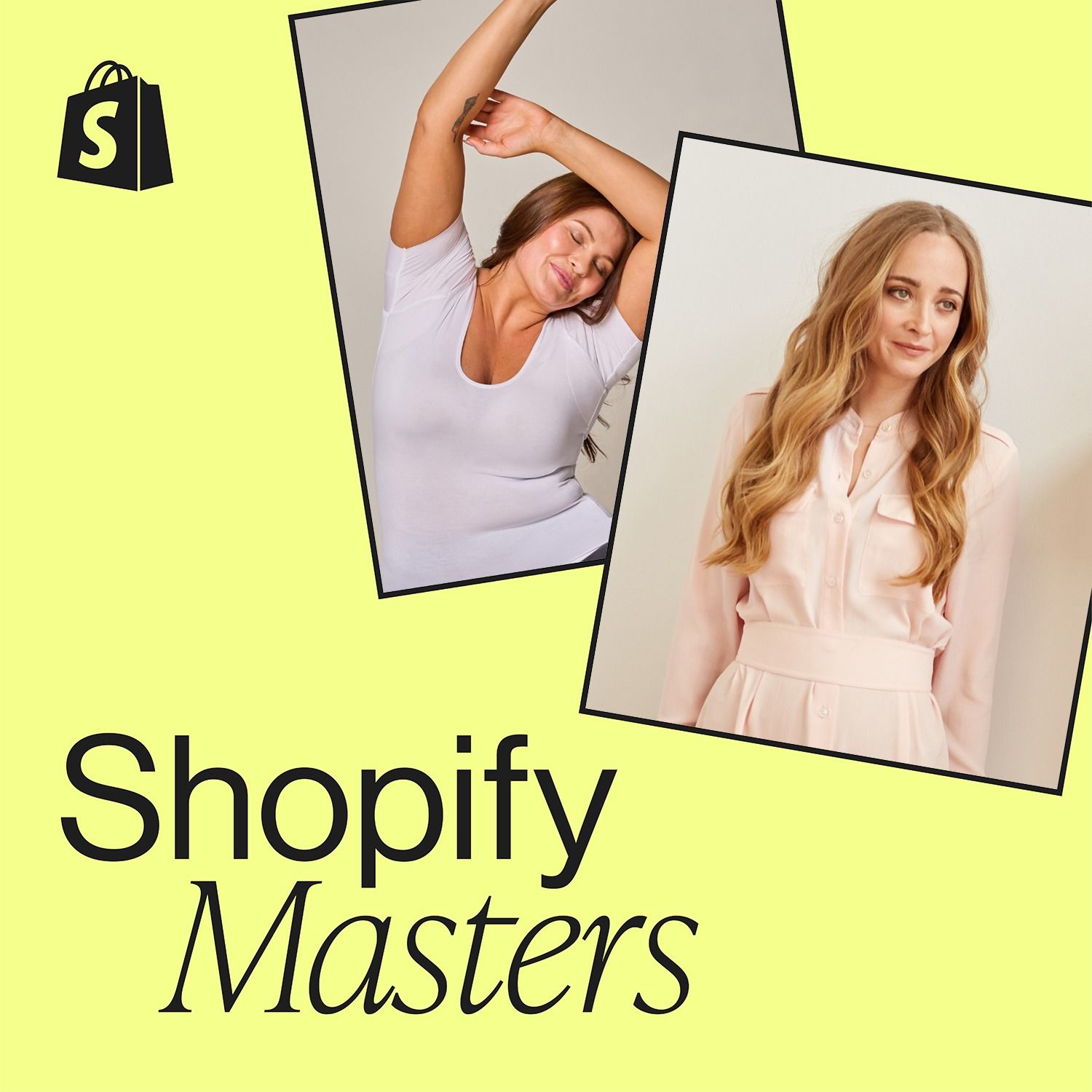
For Numi's novel undershirts, a major challenge was educating the market on the problem and solution. When competitors emerged, they didn't just steal market share; they helped validate the category and shoulder the burden of customer education, ultimately expanding the total addressable market.
Major retailers often dislike when a single large company, like Zen in nicotine, dominates a category. This gives the incumbent too much leverage on pricing and placement. Consequently, retailers are often receptive to new, high-potential brands that can introduce competition and shift the power dynamic back in their favor.

T3 redefined the hair tool category by moving its products from the home appliance section to the beauty floor. By insisting on placement next to high-end skincare and cosmetics in retailers like Nordstrom, they changed consumer perception, justified a premium price, and created an entirely new market segment.
For new CPG brands, aggressive marketing before achieving near-national distribution is a critical error. When excited customers can't find the product in their local store, they often buy a competitor's alternative (e.g., White Claw instead of Happy Dad). This funnels demand and new customers directly to established rivals.
Rolex's CEO believes the Apple Watch was beneficial, not detrimental. It accustomed a new generation to wearing something on their wrist, effectively expanding the total addressable market for all watches, including luxury ones. This shows how a competitor's product can act as a catalyst for market growth.

When larger competitors launched "Thousand Killer" copycat products, the founder resisted competing on price or features. Instead, she doubled down on deep customer insights and brand differentiation, moving further away from the competition. This proved more effective than engaging in a feature or price war, reinforcing their market position.

Instead of using traditional appliance PR, T3 hired a beauty-focused publicist to pitch their hair dryer to outlets like Vogue and InStyle. This out-of-the-box strategy legitimized the product as a beauty tool, created significant buzz, and directly led to Sephora discovering and contacting them for a partnership.