Get your free personalized podcast brief
We scan new podcasts and send you the top 5 insights daily.
South Korean “dopamine sites” let users fake-shop, getting the satisfaction of hitting “purchase” without spending money. This highlights that the shopping process itself, not the acquisition of goods, can be a primary driver of compulsive consumer behavior and a marketable experience.

Related Insights
Modern society turns normal behaviors like eating or gaming into potent drugs by manipulating four factors: making them infinitely available (quantity/access), more intense (potency), and constantly new (novelty). This framework explains how behavioral addictions are engineered, hijacking the brain’s reward pathways just like chemical substances.
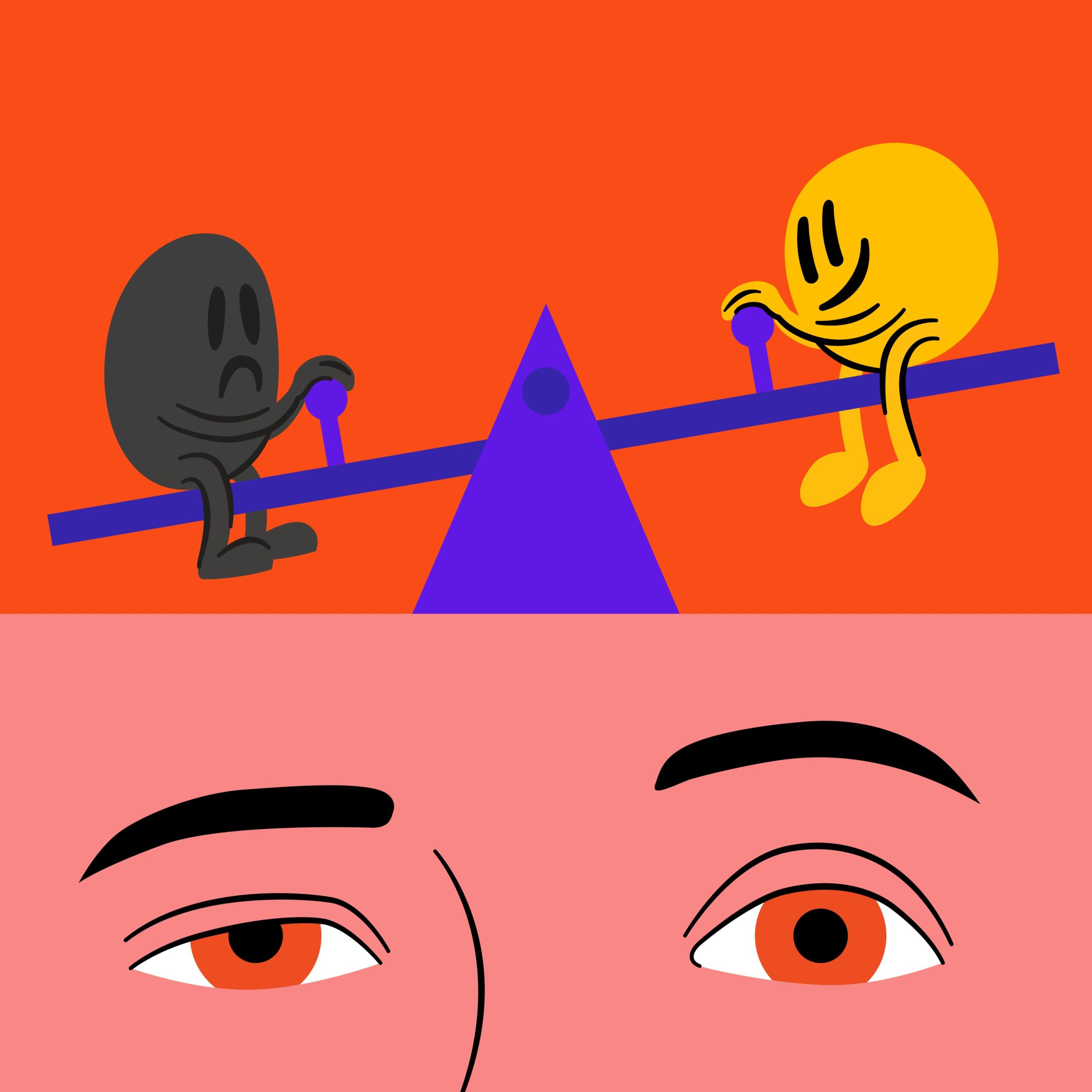
Emotional spending follows a destructive pattern: an impulsive purchase provides a dopamine hit, followed by guilt. To cope with the guilt, the person seeks another dopamine hit through more spending (e.g., ordering expensive food), creating a self-perpetuating cycle of debt and negative emotions.

Therapists now compare compulsive online shopping to gambling, where the addiction is to the action of purchasing, not the items. Symptoms include hiding parcels, not knowing what you've ordered, or immediately discarding items upon arrival because the product itself was never the goal, only the thrill of the transaction.

The human brain is wired for progress achieved through struggle. By using technology to constantly skip to the "punchline" for a quick dopamine hit, we bypass this fundamental process. This creates a dangerous feedback loop akin to drug addiction, ultimately eroding a person's life and sense of accomplishment.

In a world of on-demand services, the advent calendar's structure of daily, limited reveals creates potent anticipation. This mechanic proves that patience and delayed gratification can be powerful marketing tools, creating more intense dopamine hits than instant purchases can provide.

Our brains have 'mirror neurons' that fire when we observe an action, making us feel as if we are performing it. Showing someone biting a cookie is more effective than showing the packet because it makes the viewer mentally simulate the experience, increasing their desire for the product. This creates a powerful 'mimetic desire'.

We mistakenly think kids are drawn to screens for pleasure. Neuroscience shows dopamine drives the desire and craving for an activity, creating a compulsion loop even when the activity itself ceases to be enjoyable or even becomes negative. It's the brain's 'do-it-again' button, not its 'feel-good' button.

The addictiveness of live-stream shopping stems not just from convenience but from "atmospheric cues" that trigger dopamine hits. Features like a charismatic host and interactive live chats transform retail into entertainment, making the experience itself, rather than the product, the addictive element that users chase.
The act of filling a shopping cart, even without purchasing, can be a form of social participation. For some shoppers with less disposable income, it's a way to engage in the consumption patterns of their social group and feel a sense of belonging, highlighting a deep-seated need to fit in.

Brain scans show that simple offers like "free" or "half price" activate the emotional limbic system, creating an instant pleasure response. In contrast, complex multi-buy deals engage the rational neocortex, requiring cognitive effort to determine their value.
